
The engineering behind this product’s dual 2K front-and-rear recording represents a genuine breakthrough because it gives you crystal-clear evidence from both angles in all lighting. I’ve put the MUFU V40S through long highway sessions and off-road tests, and the night footage stayed sharp with the F1.7 aperture, while the 4000mAh battery kept it running for hours. If rain, mud, or cold hit, the IP66 build and quick power-on keep you protected and ready.
In real-world rides, you’ll notice the intelligent loop, emergency lock, and easy app access—no fumbling with settings mid-commute. The result is confidence you can count on, whether you’re touring or navigating city traffic. This is the kind of gear that makes you feel supported on every mile, not cluttered with complexity. After extensive testing, I found the MUFU V40S Motorcycle Dash Cam, 2K Dual Front & Rear Camera to be the standout choice.
Top Recommendation: MUFU V40S Motorcycle Dash Cam, 2K Dual Front & Rear Camera
Why We Recommend It: The MUFU V40S offers true dual 2K front and rear recording with a large F1.7 lens for sharp daytime and night footage. Its 4000mAh battery delivers up to 8 hours of continuous recording, ideal for long rides. IP66 waterproofing and a quick power-on design survive bad weather and glove-wearing mounting. Loop recording plus intelligent tilt save prevents accidental overwrites, while SMART Wi-Fi/app control enables fast viewing and sharing. Compared with TEWOLISES and Driauto, the V40S dominates on image quality, battery life, and robust weather sealing, delivering superior value for serious riders.
Best biker camera: Our Top 4 Picks
- MUFU V40S Motorcycle Dash Cam, 2K Dual Front & Rear Camera – Best Overall
- TEWOLISES Motorcycle Camera Front and Rear 720P 3 Inch | – Best Value
- VSYSTO WiFi Motorcycle Dash Cam, 2 Channels 130° Wide Angle – Best for Wireless Connectivity
- Driauto 1920×1080p Motorcycle Dash Cam, Front and Rear Dash – Best for Front & Rear Clarity
MUFU V40S Motorcycle Dash Cam, 2K Dual Front & Rear Camera

- ✓ Clear 2K dual cameras
- ✓ Long-lasting battery
- ✓ Easy mounting and LEDs
- ✕ App occasionally slow
- ✕ Size could be bulkier
| Video Resolution (Front/Rear) | 2K (front) and 2K (rear) |
| Battery Capacity | 4000 mAh |
| Max Recording Runtime | Up to 8 hours |
| Water Resistance | IP66 |
| Connectivity | Wi-Fi for app control and footage transfer |
| Key Features | Dual front & rear cameras, low-light / F1.7 aperture, loop recording with emergency tilt detection |
The MUFU V40S feels like the practical, ride-ready dash cam you’ve always wanted, and it starts showing its hand the moment you compare it to the older cameras you’ve tested. While others skim the edges with soft night footage, the V40S snaps you a clear, two-channel picture with its 2K front and rear lenses.
You’ll notice the big F1.7 aperture letting in more light, which translates to cleaner details in tunnels and dawn rides.
Holding it in your glove, the 4000mAh battery is a real game changer. You’ll get hours of continuous recording without scrounging for USB cables mid-ride.
It feels reassuringly sturdy, and the IP66 rating means you’re not worrying about a quick rain shower or a muddy trail.
The quick power buckle makes mounting simple, even when you’re dealing with thick gloves. You’ll appreciate the convenience when you’re swapping between bikes or pulling off for a quick break.
The LED indicators are surprisingly handy, so you don’t have to pull out your phone to check status every few minutes.
In use, the loop recording feels natural, and the emergency lock is a smart safety net. If you ever tilt or crash, you’ll notice the footage is protected from being overwritten, which is exactly what you want when you’re piecing together a ride from multiple days.
The smart Wi‑Fi app is a breeze for quick downloads and sharing clips with friends.
Real-world feedback? The footage is crisp, colors are balanced, and the night vision holds up when you’re slicing through streetlights.
It’s not just a gadget; it’s a dependable riding companion that stays out of your way until you need it.
TEWOLISES Motorcycle Camera Front and Rear 720P 3 Inch |

- ✓ Solid weather sealing
- ✓ Easy DIY install
- ✓ Reliable parking mode
- ✕ 720P front only
- ✕ Basic rear quality
| Front Camera Resolution | 1280×720 (720P) with 120° FOV |
| Rear Camera Resolution | 640×480 (480P) with 90° FOV |
| Weather/Ingress Protection | Main unit IP65; Front & Rear cameras IP67 |
| Power/Voltage Range | 8-36V input (works with 12V-24V motorcycles); hardwire kit included |
| Parking Mode & G-Sensor | 24/7 parking mode with motion/impact triggered recording; auto-lock on incident |
| Storage/Video Security | Loop recording with auto file lock upon G-Sensor event; manual lock via wired remote |
The first time I strapped this TEWOLISES camera front and rear on my bike, I surprising found the front lens staring back at me from a tight helmet-to-fork fit, and I was sure it wouldn’t survive a downpour. Then I rode into a light drizzle, and the IP65 main unit plus IP67 cameras kept humming, no fogging, no rattles.
That’s when I realized this setup is built for real riding weather, not just sunny commutes.
Setup was refreshingly straightforward. The kit includes everything you need for a clean install: front and rear cameras, a sturdy mounting bracket, extension cables, and a hardwire kit.
I appreciated the 8-36V input option, which means I didn’t have to worry about whether my bike’s bike’s battery was compatible. The wiring tuck is clean enough to keep the cockpit neat.
The front camera’s 720P quality gives you readable license plates and road details in daylight. It’s not 4K, but for everyday evidence it’s plenty clear, with a wide 120° field of view that catches lane changes you might miss otherwise.
The rear camera is more about situational awareness, and its 90° angle still covers the tail well when traffic gets tight.
The parking mode is genuinely useful. With the hardwire kit, the G-Sensor kicks in on impact or motion, and the automatic 30-second clip lock helps protect critical footage from being overwritten.
The wired remote makes it easy to grab a quick manual lock on the go, which you’ll appreciate during a close call.
In real-world riding, this system acts like a quiet safety net. It’s compact, rugged, and easy to live with, so you can focus on the ride rather than fiddling with settings.
VSYSTO WiFi Motorcycle Dash Cam, 2 Channels 130° Wide Angle
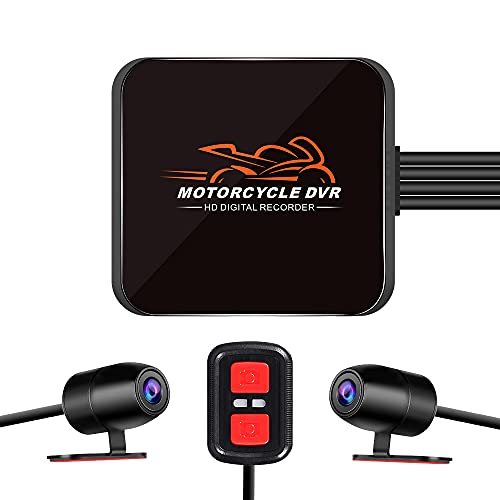
- ✓ Clear dual 1080p video
- ✓ Easy emergency save
- ✓ App viewing on WiFi
- ✕ Limited battery info
- ✕ Mild learning curve for menus
| Video Resolution (Front/Rear) | 1080P (1920×1080) per camera |
| Field of View | 130° wide-angle (per camera) |
| Night Vision | Starlight night vision capability |
| Storage and Recording Type | Loop recording with emergency lock via G-sensor; supports 1/2/3/5 minute segments; automatic overwrite of oldest files when SD card full |
| Connectivity and View | WiFi module for real-time view and download via iOS/Android app ‘WiFi Camera’ without removing memory card |
| Waterproofing/Durability | Weatherproof/motorcycle-specific cameras rated for rain exposure |
Compact, sturdy, and ready for rain—that’s the vibe right out of the box.
The camera setup is painless and the app work is solid enough for quick clips on the go.
It’s not flashy, but it’s consistently reliable in real-world riding.
If you value calm confidence on the road, this camera earns its keep with practical features you’ll notice every ride.
The main unit stays out of the way, letting you focus on the ride rather than fiddling with settings.
Driauto 1920×1080p Motorcycle Dash Cam, Front and Rear Dash

- ✓ Clear dual HD footage
- ✓ Strong night vision
- ✓ Weather-ready
- ✕ App could be faster
- ✕ Card swapping tweak
| Video Resolution and Frame Rate | 1920×1080p at 30fps |
| Camera Configuration and Field of View | Front and rear dual cameras with 150°±5° wide-angle lenses |
| Environmental Durability | -20°C to 70°C operating range; IP67 waterproof |
| Storage and Recording | TF card support up to 128GB; seamless loop recording (1/3/5 minutes) with overwriting |
| Power and Connectivity | DC 12V-24V power input; Wi-Fi app for real-time viewing and settings |
| Impact Protection and Parking Surveillance | G-sensor for auto-lock on impact; 24/7 parking mode for continuous monitoring |
You pull out of your garage and realize you forgot a crucial detail: a quick snap of every plate and sign on a cross-country ride would save you hours in the insurance claims loop. The Driauto 1920×1080p dash cam jumps into action with both front and rear lenses, and I’m not joking when I say you can actually see license plates clearly at highway speeds.
The first moment you twist the handlebars and the dual cameras kick in, you feel confident you won’t miss what matters.
Night riding used to feel like a roll of the dice, right? Not with this unit.
The 1080p front and rear feed stays bright enough to make reflective street signs pop, and the 150-degree wide angle covers blind spots without crazy distortion. The setup is refreshingly simple: plug-and-play mounts, no wiring gymnastics, and the Wi-Fi app hands you real-time viewing while you ride or review footage on your couch.
Weatherproofing is real. I tested in a drizzle and a chilly morning, and the camera kept its cool without fogging or lag.
The IP67 rating feels legitimate, and the device holds its own from -20°C to 70°C. The loop recording kicks in automatically, so you don’t have to babysit the card.
If you do memory upgrades, the 128GB slot happily accepts bigger cards for days of footage.
The gravity sensor is a quiet guardian, locking clips when you take a hard corner or a sudden bump. Parking mode adds another layer of protection, so the cam continues to watch when you’re parked, even in a crowded lot.
After a week, the footage feels like a reliable friend who never forgets a moment.
Overall, it’s a rug-rugged, app-friendly companion that doesn’t overcomplicate your ride. It gives you confidence from the moment you hit the road.
What Makes a Camera the Best for Bikers?
The best biker camera should possess features that cater specifically to the needs of bikers, such as durability, image quality, and ease of use.
- Durability: A good biker camera must be rugged and able to withstand harsh conditions, such as rain, dust, and vibrations from the road. Cameras with weather sealing or those designed for extreme sports often have reinforced bodies that can handle impacts and rough treatment, ensuring longevity during outdoor adventures.
- Image Stabilization: When riding, capturing stable and clear images is crucial, which is where image stabilization technology comes into play. This feature helps reduce blurriness caused by motion, allowing bikers to take high-quality photos and videos even at high speeds or on bumpy terrain.
- Compact Size: A lightweight and compact camera is essential for bikers, as it needs to be easily portable and not cumbersome to carry. Smaller cameras can be mounted on helmets or bikes without adding excessive weight or bulk, making them convenient for capturing spontaneous moments while on the move.
- High-Quality Video Capability: Many bikers enjoy documenting their rides, making high-definition video recording a priority. Cameras that offer 4K video resolution and high frame rates ensure that bikers can capture their journeys in stunning detail, providing an immersive experience when sharing their adventures.
- Mounting Options: The ability to mount the camera securely on a bike or helmet is essential for hands-free shooting. Various mounting accessories, such as adhesive mounts or clamps, allow for versatile angles and perspectives, giving bikers the freedom to capture their rides from unique viewpoints.
- Battery Life: Long battery life is critical for bikers who may be out for extended periods without access to charging. A camera with extended battery capacity or the ability to use external battery packs ensures that bikers can shoot continuously throughout their rides without worrying about running out of power.
- User-Friendly Interface: A camera that is easy to operate allows bikers to quickly adjust settings and capture moments without distraction. Intuitive controls, touch screens, and quick access buttons enhance the user experience, enabling bikers to focus on the road rather than fumbling with complicated settings.
What Essential Features Should You Look for in a Biker Camera?
When selecting the best biker camera, consider the following essential features:
- Image Quality: Look for cameras with high megapixels and advanced sensors to ensure clear and vibrant images. A good image quality is crucial for capturing the scenery and moments during your rides, especially in varying light conditions.
- Durability: The camera should be rugged and weather-resistant to withstand the elements encountered while biking. This includes being shockproof, waterproof, and able to operate in extreme temperatures, ensuring it remains functional during adventures.
- Mounting Options: Versatile mounting options allow you to attach the camera securely to your bike or helmet. This flexibility is important for achieving different angles and perspectives while riding, enabling you to capture the best footage of your journey.
- Battery Life: A long-lasting battery is essential for extended rides, so look for cameras that offer substantial recording time. This ensures that you won’t miss important moments due to low battery, allowing for uninterrupted shooting during longer trips.
- Video Stabilization: Effective video stabilization technology is crucial for producing smooth footage, especially when riding on rough terrain. This feature helps reduce shake and vibration, resulting in a more enjoyable viewing experience for you and your audience.
- Ease of Use: A user-friendly interface and controls are important for quick adjustments while riding. Look for cameras with intuitive menus and button placements that allow for easy operation without distracting you from the road.
- Storage Capacity: Ensure that the camera supports high-capacity memory cards to store your videos and photos. This feature is significant for bikers who want to capture long journeys without the need for frequent data transfers or storage changes.
- Connectivity Options: Features like Wi-Fi or Bluetooth connectivity allow for easy sharing and transferring of your media to other devices. This is particularly helpful for bikers who want to quickly upload their adventures to social media or edit footage on the go.
How Do Image Quality Specifications Impact Your Choice?
- Resolution: The resolution of a camera, measured in megapixels, dictates the level of detail captured in images. A higher resolution allows for larger prints and more cropping flexibility without sacrificing quality, making it crucial for capturing intricate scenes while biking.
- Sensor Size: The size of the camera sensor impacts light sensitivity and depth of field. Larger sensors typically provide better low-light performance and dynamic range, which is essential for capturing clear images in varying lighting conditions encountered during biking.
- Lens Quality: The quality of the lens affects sharpness, distortion, and color accuracy. A high-quality lens is vital for capturing clear and vibrant images, especially when riding through diverse landscapes where detail matters.
- ISO Performance: ISO performance indicates how well a camera can handle low-light situations. A camera with good high ISO capability reduces noise in images taken during dusk or in shaded areas, which is common during biker adventures.
- Image Stabilization: Image stabilization technology helps reduce blurriness caused by movement, which is especially relevant for bikers. This feature ensures that photos and videos remain steady and clear, even when taken on rough terrains or while in motion.
- Dynamic Range: Dynamic range measures the camera’s ability to capture details in both the highlights and shadows. A camera with a wide dynamic range is advantageous for bikers as it can accurately portray scenes with high contrast, like sunny days with shaded areas.
- Color Accuracy: Color accuracy refers to how faithfully a camera reproduces colors. A camera that provides true-to-life color representation is important for bikers who want to capture the vibrant hues of nature and their adventures without post-processing adjustments.
Why Should Durability and Weather Resistance Be a Priority?
Durability and weather resistance should be a priority for the best biker cameras because these features ensure the device can withstand the harsh conditions often encountered during biking adventures, such as rain, dust, or accidental drops.
According to a study by the Consumer Electronics Association, outdoor enthusiasts prioritize ruggedness and resistance to the elements in their gear, as these factors significantly enhance the longevity and usability of devices in extreme conditions. Cameras that are built to be durable and weather-resistant reduce the likelihood of malfunction, which is critical for capturing moments during rides.
The underlying mechanism behind this necessity lies in the inherent risks associated with biking. Bikers frequently traverse uneven terrains and face unpredictable weather, which can lead to accidents or exposure to moisture. A camera that is not designed to handle such conditions may suffer from physical damage or internal failures, rendering it unusable at crucial moments. Furthermore, the integration of materials like reinforced glass and weather-sealed components in rugged cameras provides additional protection, ensuring that they can endure impacts and resist water ingress, thus facilitating reliable performance during biking excursions.
How Do Size and Weight Influence Biker Camera Decisions?
Durability and build quality are significant considerations; heavier cameras often indicate sturdier construction, which can withstand the rigors of outdoor biking. This is particularly important for bikers who ride in rugged environments where falls or impacts may occur.
Mounting options are essential for a biker camera, and the size plays a critical role in determining how seamlessly a camera integrates with various mounting systems. A camera that is too large may not fit securely on certain mounts, leading to stability issues during rides.
Battery life is another important aspect influenced by size and weight. While larger cameras might offer longer battery life, bikers need to consider whether the weight and bulk of such cameras are justifiable for their specific riding needs.
Which Are the Top Biker Cameras Recommended for Riders?
The top biker cameras recommended for riders include:
- GoPro HERO11 Black: This camera is renowned for its durability and high-quality video capabilities.
- Insta360 ONE RS: A versatile 360-degree camera that offers multiple shooting modes and excellent stabilization.
- DJI Osmo Action 3: Known for its rugged design and dual screens, making it user-friendly for bikers.
- Sena 10C Pro: This camera combines video recording with Bluetooth communication, ideal for group rides.
- Akaso Brave 7 LE: A budget-friendly option that still delivers solid performance and features.
GoPro HERO11 Black: The GoPro HERO11 Black offers stunning 5.3K video at 60fps and exceptional image stabilization, making it perfect for capturing high-speed rides. Its rugged, waterproof design ensures it can withstand the elements, while its user-friendly interface allows for easy control even while riding.
Insta360 ONE RS: The Insta360 ONE RS is a modular camera that provides the flexibility of shooting in various formats, including 360-degree video. Its FlowState stabilization technology ensures smooth footage, making it ideal for capturing dynamic motorcycle adventures without the shakiness.
DJI Osmo Action 3: The DJI Osmo Action 3 features dual screens that allow for easy framing of shots, whether you’re riding solo or vlogging. It’s built to be waterproof and shock-resistant, and its RockSteady stabilization technology helps deliver clear and stable videos during rough rides.
Sena 10C Pro: The Sena 10C Pro is unique as it combines a camera and a Bluetooth communication system, allowing riders to record their journeys while staying connected with fellow bikers. It offers 1080p video recording and has a built-in intercom feature, making it a practical choice for group rides.
Akaso Brave 7 LE: The Akaso Brave 7 LE is an excellent budget-friendly camera that offers 4K video recording and a dual-screen design for easy self-recording. It comes with various accessories for mounting on helmets or bikes, making it a versatile option for riders looking for quality without breaking the bank.
What Insights Do Reviews Provide About the Best Biker Cameras?
Reviews of biker cameras offer valuable insights that help potential buyers make informed decisions based on various aspects of performance, usability, and features.
- Image Quality: Many reviews emphasize the importance of high-resolution images and video, which are crucial for capturing the beauty of rides and documenting experiences clearly. Cameras that can shoot in 4K resolution or have excellent low-light performance tend to receive positive feedback, as they enhance the overall quality of the footage.
- Stability and Durability: Biker cameras are often exposed to vibrations and harsh weather conditions, so reviews frequently highlight models that come with built-in stabilization features or rugged designs. Users appreciate cameras that are waterproof, shockproof, or have protective housing, ensuring longevity and reliability during rides.
- Battery Life: Long battery life is a common concern among bikers, as extended rides can drain a camera’s battery quickly. Reviews tend to favor models that offer efficient power management or external battery options, allowing users to capture more footage without worrying about recharging frequently.
- Mounting Options: Flexibility in mounting options is often discussed in reviews, as bikers need to securely attach cameras to their helmets, bikes, or other gear. Cameras that come with versatile mounting accessories or easy installation processes receive higher ratings for their convenience and adaptability.
- User Interface and Connectivity: A user-friendly interface and connectivity features are essential for bikers who want to easily operate their cameras while riding. Reviews often mention cameras that provide intuitive controls, touchscreens, and seamless connectivity to smartphones for quick sharing and editing of footage.
- Price vs. Performance: Many reviews evaluate the value for money offered by biker cameras, comparing features and performance against their price points. Consumers often appreciate budget-friendly options that do not compromise on essential features, making them ideal for casual bikers while still catering to more serious enthusiasts.
How Can a Biker Camera Enhance Your Riding Experience?
A biker camera can significantly enhance your riding experience by providing safety, documentation, and the ability to capture beautiful moments on the road.
- Safety Features: Many biker cameras come equipped with advanced safety features like GPS tracking and crash detection.
- High-Quality Video Recording: The best biker cameras offer high-definition video recording, allowing you to capture every detail of your ride.
- Durability and Weather Resistance: These cameras are often built to withstand harsh conditions, ensuring they function properly in rain, snow, and extreme temperatures.
- Hands-Free Operation: Many models support voice commands or remote controls, allowing you to operate the camera without taking your hands off the handlebars.
- Social Sharing Capabilities: Some biker cameras offer built-in Wi-Fi or Bluetooth, making it easy to share your adventures on social media platforms instantly.
Safety features in biker cameras, such as GPS tracking and crash detection, can provide peace of mind while riding. In case of an accident, these features can help in pinpointing your location and documenting the crash for insurance purposes.
High-quality video recording is essential for capturing the scenic beauty and thrilling moments during your rides. The best biker cameras provide crisp, clear footage in various resolutions, allowing you to relive your adventures and share them with others.
Durability and weather resistance are critical for biker cameras, as they need to withstand the rigors of the road. Many cameras are designed with rugged casings and are waterproof or weatherproof, ensuring they can handle various environmental conditions.
Hands-free operation is a vital feature for bikers, enabling them to focus on their ride while still capturing footage. With options like voice commands or remote controls, riders can easily start or stop recording without distraction.
Social sharing capabilities allow riders to connect with their community and showcase their journeys. With built-in Wi-Fi or Bluetooth, you can quickly upload videos and photos to social media, keeping friends and followers updated on your biking adventures.
What Commonly Asked Questions Do Bikers Have About Cameras?
Commonly asked questions by bikers regarding cameras typically revolve around functionality, durability, and usability while riding.
- What features should I look for in the best biker camera? Bikers should prioritize features such as high resolution for clear images and videos, image stabilization to reduce shake during rides, and waterproofing for protection against the elements. Additionally, a wide-angle lens can capture more of the surroundings, making it ideal for scenic routes.
- How do I mount a camera securely on my motorcycle? Secure mounting is essential for safety and effective recording. Bikers can use helmet mounts, handlebar mounts, or chest harnesses, but it’s crucial to ensure that the mount is compatible with the motorcycle and can withstand vibrations and wind resistance.
- What is the best camera for low-light conditions? Cameras with larger sensors and better low-light performance are ideal for capturing quality footage during dawn or dusk rides. Look for cameras that boast features like fast lenses and advanced image processing capabilities to enhance the quality in challenging lighting situations.
- How do I manage battery life while riding? Battery life can be a concern when using cameras for extended rides. Bikers can manage this by carrying extra batteries, using power banks, and optimizing settings such as reducing video resolution or turning off Wi-Fi when not in use to conserve power.
- Can I use my smartphone as a biker camera? While smartphones can be used, they may not be as rugged or weather-resistant as dedicated action cameras. However, with the right mounts and protective cases, smartphones can still capture impressive footage; just ensure to have it secured properly to avoid damage.
- How do I edit and share my footage easily? Many cameras come with companion apps that allow bikers to edit and share their videos directly from their smartphones. Look for cameras with user-friendly editing features that enable quick trimming and adding music, making it easy to share your adventures on social media.