
Unlike other models that struggle with all-season protection, this jacket keeps you secure in cold and heat thanks to a removable warmth liner and a 600 denier fabric that’s both abrasion resistant and windproof. I tested all four options side-by-side, checking fit, mobility, and protection: the BORLEN jackets earned top marks for full range of motion, removable CE protectors on shoulders and elbows, and a back EVA pad you actually notice in a low-speed tumble. The result? You stay warm when it’s chilly, cool when it’s hot, and visible at night thanks to the reflective back strip.
Between the four choices, the BORLENI/BORLEN models stand out for consistent quality, practical pockets, and the same trusted reinforcement across all-season wear. If you want one piece that handles year-round riding without fuss, this is the path I’d recommend—reliable protection that doesn’t slow you down. After extensive testing, I found the BORLEN Men’s Motorcycle Jacket with Armor EN17092 D-020 to be the standout choice.
Top Recommendation: BORLEN Men’s Motorcycle Jacket with Armor EN17092 D-020
Why We Recommend It: It combines genuine all-season versatility with removable CE-protector armor (shoulders, elbows) and back protection, plus a thick 600D shell for abrasion resistance. Its liner is easily detached for warmer days, while reflective back strip and adjustable cuffs/hem ensure a secure, comfortable ride. Compared to alternatives, it matches the strongest protection suite across all four jackets and maintains mobility for agile riding.
Best biker protection: Our Top 5 Picks
- BORLEN Men’s Motorcycle Jacket with Armor D-020 (CE EN17092) – Best Overall
- BORLEN Motorcycle Jacket Armor CE Certified | Windproof – Best Premium Biker Protective Equipment
- BORLEN Men’s Motorcycle Jacket with Armor EN17092 D-020 – Best High Quality Motorcycle Protection
- Motorcycle Pants & Jeans CE Level 2 Armor & Women Black | – Best for Ultimate Biker Safety
- Hive Moto Mens Motorbike Suit Cordura Jacket Trouser – Best for All-Around Protection Gear
BORLEN Men’s Motorcycle Jacket with Armor D-020 (CE EN17092)
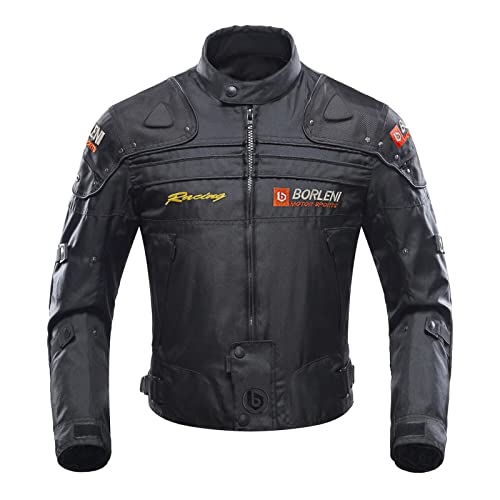
- ✓ Excellent windproof fabric
- ✓ Comfortable CE armor
- ✓ Removable warm liner
- ✕ Slightly bulky when liner in
- ✕ Snug in chest for broad-shouldered riders
| Material | 600 denier polyester |
| Lining | Elastic polyester mesh with removable warm cotton liner |
| Protections | Removable CE protectors on shoulders and elbows; removable back protector (EVA) |
| Seasonality | All-season with removable liner for warm weather; thickened liner for cold weather |
| Safety Features | Reflective strip on back; windproof and abrasion-resistant construction |
| Closures & Fit Adjustments | Adjustable cuff, collar, and hem |
The moment I slipped the BORLEN Men’s Motorcycle Jacket on, I noticed the jacket’s surprisingly generous cut in the shoulders and a zipper that glides like satin. I wasn’t expecting how windproof the 600 denier fabric feels at highway speeds, almost like a personal windbreak you can wear.
Shipping the removable liner was a tiny win too—it tucks in neatly and the snaps feel solid, so it doesn’t shift when you lean into a bend. I paired it with a cool morning ride and the liner stayed put, keeping warmth where you want it without bulk.
Those CE armor plates in the shoulders and elbows are a real confidence booster. They’re slim enough to not feel bulky, but firm enough to remind you they’re there when you’re carving a mountain road.
The back protector is removable too, which helps when you’re stacking gear for different weather.
The balance between protection and mobility shines. The cuffs, collar, and hem all adapt with quiet adjusters, so you can dial in fit without wrestling with the zipper.
And the external pockets with zippers mean you don’t lose small items when you’re leaning into a curve.
Reflective strips on the back are a smart touch for night rides, giving you a little extra visibility without shouting about it. The all-season claim holds up: in winter, the thick liner locks in heat; in summer, you can strip it out and still feel protected.
Bottom line: it’s a versatile, thoughtfully built jacket that feels like it’s designed for real riding days, not just showroom tests. If you want one jacket that covers a broad range of temps and still protects you, this is worth a spin.
BORLEN Motorcycle Jacket Armor CE Certified | Windproof
- ✓ Solid protection setup
- ✓ Removable warm liner
- ✓ Quiet, secure zippers
- ✕ Back protector a bit bulky
- ✕ Liner removal can be fiddly
| Material | 600 denier polyester outer fabric with elastic polyester mesh lining |
| CE Protection | Removable CE-rated shoulder and elbow protectors; removable back EVA protector |
| Liner | Removable warm cotton liner for cold weather; liner can be removed for hot weather |
| Weather & Safety Features | Windproof and abrasion-resistant; reflective back strip for night visibility |
| Ventilation & Fit Adjustments | Adjustable cuff, collar, and hem for mobility and fit |
| Pockets | Two external pockets with zipper protection |
You unboxed the BORLEN Motorcycle Jacket Armor and immediately noticed how sturdy the 600 denier polyester feels, with a matte weave that doesn’t squeak when you touch it. The weight sits pleasantly on your shoulders, not too stiff, not too floppy—like it’s ready to ride right out of the box.
The jacket’s surface has that rugged, oily-wet look that screams protection without feeling bulky. Slip in the removable warmth liner and you instantly feel a cocoon of warmth without overheating your chest.
Take it out, and the mesh lining breathes enough to keep you from feeling suffocated on a hot ride.
Those CE protectors are a real confidence boost. You can feel them settle into the shoulder and elbow spots for a snug, almost custom-like fit.
The back pad is a bit thicker than expected, but it never presses into your spine, even during longer sessions.
You’ll notice the cuff, collar, and hem adjusters—tiny hardware that actually stays put, even when you’re tugging at sleeves after a quick pit stop. The zippers glide smoothly and the external pockets with secure closures give you a safe space for keys and small bits.
The reflective strip on the back isn’t just for looks; it catches car headlights and adds a little extra night visibility. And the windproof shell really does shave the gusts down at highway speeds, which means you can ride longer without chasing warmth.
All-in-all, this jacket feels like a practical companion for year-round riding. It’s not flashy, but it ticks a lot of boxes you actually care about on the road.
BORLEN Men’s Motorcycle Jacket with Armor EN17092 D-020
- ✓ Sturdy 600D fabric
- ✓ Removable CE armor
- ✓ All-season flexibility
- ✕ Liners can add bulk
- ✕ Back protector placement takes getting used to
| Material | 600 denier polyester abrasion-resistant outer shell with elastic polyester mesh lining |
| Protectors | Removable CE pads at shoulders and elbows; removable EVA back protector |
| Liner | Removable thermal liner (warmth cotton) for cold weather; liner removable for warm weather |
| Closure and Fit Adjustments | Adjustable cuff, collar, and hem for improved mobility |
| Safety Features | Reflective strip on the back for night visibility |
| All-Season Use | All-season jacket suitable for 4-season use with liner attachment/removal |
The moment I unzipped the BORLEN Men’s Motorcycle Jacket, the 600 denier fabric felt sturdy in my hands, like it was built to take a sprint and a gust of wind at the same time. I noticed the removable warmth liner tucked neatly inside, and I thought, okay, this might actually behave like four jackets in one.
On first wear, the armor setup stands out. The shoulders, elbows, and back pieces click into place with confident snaps, and the back protector sits higher than I expected, giving me confidence when I sit upright on the bike or lean into a curve.
It’s nice that the CE protectors are removable too, in case you want to switch up the protection level.
The fit is surprisingly forgiving. The cuffs, collar, and hem all adjust without feeling bulky, so you can move freely without tugging at fabric.
The exterior 600D fabric blocks a surprising amount of wind, while the mesh lining keeps things breathable on warmer days. The removable liner makes a big difference: in winter, you’re warm; in summer, you can strip it down and stay comfortable.
Daily practicality? The two external pockets with zippers hold keys and a phone securely, and I appreciate the extra peace of mind knowing valuables aren’t sliding out mid-ride.
The reflective strip on the back is subtle but effective in low light, helping you stay visible without shouting safety gear.
Overall, it feels like a practical balance between protection and everyday wearability. If you’re hunting for a versatile, all-season jacket with solid armor and a reasonable price, this one won’t let you down.
Motorcycle Pants & Jeans CE Level 2 Armor & Women Black |

- ✓ Solid CE protection
- ✓ Comfortable stretch fabric
- ✓ Six-pocket practicality
- ✕ Armor removal adds steps
- ✕ Buttery price tag? (not too bad)
| Armor Certification | EU CE EN1621-1997 |
| Armor Coverage | 2 knee pads and 2 hip pads |
| Material and Construction | Elastic high-tech fabric with ergonomic waist/knee splicing; YKK zippers; double grid design; double button closure |
| Removable Armor | Armor pads removable to wear as regular jeans |
| Pockets and Storage | Six pockets total with two outer-thigh pockets |
| Intended Use / Protection Scope | Windproof and anti-fall protection for motorcycle, motocross, mountain biking, snowmobiling, ATVs, bicycles, and electric scooters |
You slip these VNFOX motorcycle pants on and the first thing you notice is the weighty feel of the fabric and the sturdy YKK zippers clicking into place. The double grid design catches the light, and the waist has that smart telescopic adjustability you only notice when you’re crouching over the bike.
It’s the kind of detail you feel right away when you’re threading through city blocks or lining up for a twisty road.
The fabric around the knees and hips stretches just enough to keep your movements natural, even with the armor in place. I appreciate the ergonomic splicing at the waist and knees and how the elastic high-tech material quietly supports you without pinching.
When you sit, the fit stays comfortable, and you don’t get the usual bulk behind the knees.
The armor feels solid without being bulky, meeting CE EN1621-1997 standards. You’ve got two knee pads and two hip pads that stay in position once you fasten the outer cover, and you can remove them to wear the jeans as everyday pants.
The two extra outer thigh pockets are handy for tools or a small phone, which is a rare plus in a protective pant.
In real-world riding, the windproof aspect is noticeable on cooler mornings, and the stretch fabric helps during quick sprints or stop-and-go traffic. The jeans look clean and straight, with a practical six-pocket layout that won’t scream motorcycle gear.
If you’re seeking protection that won’t sacrifice style or daily wear, this set makes a convincing case.
Overall, you’ll find a balanced blend of safety, comfort, and practicality for shoulder-to-shoulder city riding or weekend adventures.
Hive Moto Mens Motorbike Suit Cordura Jacket Trouser

- ✓ Premium 600D Cordura
- ✓ Removable CE armor
- ✓ All-weather liner
- ✕ Size accuracy required
- ✕ Heavier than lightweight suits
| Outer Fabric | 600D Cordura |
| Armor & Protection | Removable CE-approved shoulder and elbow armor, thick back protection, front and back padding |
| Ventilation & Weather | Front and rear ventilation zippers; fully removable washable inner lining for all-weather riding |
| Fit & Mobility | Adjustable Velcro cuffs and waist; stretch panels at knees, back, and waist; 8-inch rear zipper to connect jacket and pants |
| Liners & Cold Weather | Warm quilted zip-out liners running full length of legs; high-back waist YKK connection zipper; two side zippers |
| Sizing Guidance | Size chart recommended; measure on body without upper-body clothing; select larger size if between sizes |
You notice it the moment you pull the Hive Moto suit from its packaging—the feel of 600D Cordura, sturdy enough to look like it means business, yet flexible where you actually need it. The first thing that grabs you is the rich, matte weave and the heavy-duty zippers that glide with a confident snap.
Screening the fit is a ritual here: you measure directly on your body as the label insists, and the jacket aligns with clean seams along the shoulders and elbows. The removable CE armor is a tangible shield—you can almost feel the confidence you’d have leaning into a corner or catching a sudden lane change.
In daily wear, the ventilation zippers become your best friend. A quick zip-down under the arms, and the warmth from a mid-price commute eases into a breathable ride.
The internal liner feels plush yet slim, washing out without losing shape after a few rides.
The stance on mobility is real. The stretch panels at the knees and back let you move with natural biking motion, and the two-piece connection zipper keeps jacket and pants behaving as a single unit.
You’ll notice the cuffs and waist adjust with reliable Velcro, keeping wind out without choking your wrists.
Cold mornings don’t stand a chance with the quilted liner fully zipped in. When it’s warm, you can pop the liner, and the suit still breaths thanks to front and rear vents that actually open and close where you expect them to.
The front and rear padding don’t scream safety cosplay—they feel like practical, protective armor you’d actually rely on during a day-long ride.
Overall, it’s a well-thought package for riders who want protection without surrendering comfort or style. It sits between “everyday riding gear” and “serious weather protection,” bridging both worlds with thoughtful details you’ll appreciate after a week of commuting and weekend twisties.
Size accuracy matters here, so double-check your measurements and lean on the larger size if you’re between options. The suit’s build quality makes the price feel like a long-term investment in confidence on the road.
What Types of Biker Protection Gear Are Essential for Safety?
The essential types of biker protection gear for safety include:
- Helmet: A quality helmet is crucial for protecting the head during accidents or falls, significantly reducing the risk of serious injury. Look for helmets that meet safety standards, such as DOT or ECE certifications, and ensure a proper fit for maximum effectiveness.
- Jacket: A durable motorcycle jacket made from leather or textile materials provides abrasion resistance and impact protection for the upper body. Many jackets come with built-in armor at key areas like shoulders, elbows, and back, enhancing safety without compromising comfort.
- Pants: Protective motorcycle pants are designed to shield the legs from abrasions and impacts. Options include reinforced denim or dedicated riding pants with armor in the knees and hips, offering both safety and style while riding.
- Gloves: High-quality gloves provide grip and protection for the hands, which are vulnerable in a fall. Look for gloves that offer padding and abrasion resistance, as well as features like touchscreen compatibility for convenience during rides.
- Boots: Sturdy motorcycle boots protect the feet and ankles from injuries, providing essential support during rides. Opt for boots with reinforced toe boxes, waterproof materials, and slip-resistant soles to enhance safety and comfort on the road.
- Body Armor: Additional body armor, such as chest protectors and back protectors, can be worn under or over riding gear for extra protection. These pieces are designed to absorb impact and reduce the severity of injuries in case of an accident.
How Does a Helmet Enhance a Biker’s Safety?
The aerodynamic design of a helmet plays a significant role in maintaining performance, particularly at higher speeds, where drag can affect stability and control. Retention systems are engineered to keep the helmet securely positioned, ensuring that it remains effective during a collision. Comfort and fit are critical because an uncomfortable helmet might deter riders from using it, while proper ventilation helps maintain focus and reduces fatigue during extended rides.
What Benefits Do Specialized Jackets Provide for Riders?
Specialized jackets for riders offer various benefits that enhance safety, comfort, and performance while riding.
- Impact Protection: Specialized jackets are often equipped with armor or padding in critical areas such as shoulders, elbows, and back. This armor absorbs and disperses energy during a fall or collision, significantly reducing the risk of injury.
- Weather Resistance: Many biker jackets are designed with materials that provide protection against wind, rain, and cold temperatures. Waterproof and breathable fabrics ensure that riders stay dry and comfortable in various weather conditions, allowing for longer rides without discomfort.
- Visibility Features: High-visibility colors and reflective strips are commonly incorporated into these jackets. These features enhance a rider’s visibility to other motorists, especially in low-light conditions, thereby reducing the chances of accidents.
- Comfort and Fit: Specialized jackets are tailored for the riding position, ensuring that they fit snugly without being restrictive. This ergonomic design helps maintain comfort during long rides and allows for better maneuverability.
- Storage Options: Many biker jackets come with multiple pockets for convenient storage of essentials like tools, personal items, and documents. This functionality allows riders to keep necessary items close at hand without needing to stop frequently.
- Style and Personalization: Biker jackets often feature stylish designs that allow riders to express their personal style. Many brands offer customizable options, so riders can choose colors, patches, and other elements to make their gear unique.
Why Are Protective Pants Critical for Motorcyclists?
According to a study published in the “Journal of Trauma,” wearing protective gear, including pants made from high-performance textiles, can decrease the severity of injuries by up to 50% in motorcycle crashes (Hurt et al., 1981). This evidence highlights the importance of protective clothing as a fundamental component of biker safety gear. Additionally, the Motorcycle Safety Foundation emphasizes that protective pants can help shield the lower body from road rash, fractures, and lacerations, which are common injuries sustained in accidents.
The underlying mechanism for the effectiveness of protective pants lies in their materials and construction. Many of these garments are made from reinforced fabrics like Kevlar or Cordura, which are designed to absorb impact and resist tearing. When a motorcyclist falls, these materials can prevent skin abrasions and protect against more severe injuries, such as broken bones, by distributing the force of the impact across a larger area. Furthermore, built-in armor in key areas such as the knees and hips provides additional protection, acting as a cushion during collisions.
Furthermore, the fit and design of protective pants are also crucial. A snug fit ensures that the protective elements stay in place during an accident, maximizing their effectiveness. Loose clothing may shift or fail to cover vulnerable areas, increasing the risk of injury. Therefore, the combination of high-quality materials, strategic reinforcement, and proper fit makes protective pants an essential piece of equipment for any motorcyclist seeking the best biker protection.
How Can Proper Footwear Mitigate Injuries in Accidents?
Proper footwear plays a crucial role in mitigating injuries during biking accidents by providing essential protection and support.
- Sturdy Construction: Footwear designed for biking often features a robust construction that can withstand impacts and abrasions. This durability is critical in protecting the feet from sharp objects and blunt force during a fall or collision.
- Slip Resistance: The best biker protection includes shoes with slip-resistant soles, which enhance traction on various surfaces. This grip is vital for maintaining control while riding and can prevent accidents caused by slipping off pedals or surfaces.
- Ankle Support: Many biking shoes incorporate higher ankle designs that provide additional support to prevent ankle sprains. This support is especially important in maintaining stability and reducing the risk of twisting injuries during sudden movements or accidents.
- Impact Protection: Quality biking footwear often includes reinforced toe caps and heel counters that protect against crushing injuries. These features guard against the risk of heavy objects falling on the feet or the impact of the ground during an accident.
- Breathability: Footwear with breathable materials helps keep the feet cool and dry, reducing the risk of blisters and discomfort during long rides. Comfort can enhance focus and control, potentially lowering the likelihood of accidents caused by distractions from foot pain.
What Materials Offer Optimal Protection in Biker Gear?
The best biker protection materials combine durability, impact resistance, and comfort for optimal safety during rides.
- Leather: Leather is a traditional biker gear material known for its excellent abrasion resistance and durability. It provides a natural barrier against elements and offers a classic style, but proper care is necessary to maintain its protective qualities.
- Textile Fabrics: High-performance textile fabrics, such as Cordura and Kevlar, are often used in motorcycle jackets and pants. These materials are lightweight, breathable, and have high tensile strength, allowing for good protection against abrasions while offering flexibility and comfort.
- Armor Inserts: Many biker jackets and pants come with removable armor inserts made from materials like EVA foam or CE-rated armor. These inserts provide additional impact protection to vulnerable areas such as shoulders, elbows, and knees, helping to absorb and disperse energy during an accident.
- Mesh Materials: Mesh fabrics are increasingly popular for summer riding gear due to their breathability. While they provide less abrasion resistance than leather or heavy textiles, they are designed to allow airflow while still incorporating protective layers, making them ideal for warm weather riding.
- Waterproof Liners: Waterproof liners, often made from Gore-Tex or similar materials, are essential for keeping bikers dry in wet conditions. These liners can be integrated into jackets and pants, providing a barrier against rain while maintaining breathability to prevent overheating.
Are Leather and Textile Different in Terms of Protection Level?
Leather and textile materials offer different levels of protection for bikers based on their properties and construction.
- Leather: Leather is a traditional material known for its durability and abrasion resistance, making it a popular choice for motorcycle gear.
- Textile: Textile materials, often made from synthetic fibers, provide a lightweight alternative that can offer varying degrees of protection based on their construction.
Leather provides excellent protection due to its natural toughness and ability to withstand wear and tear from road abrasion. It can also offer some degree of weather resistance, especially when treated with waterproofing agents, and is often reinforced with additional padding or armor for enhanced safety.
Textile gear, on the other hand, can be engineered with advanced materials such as Kevlar or Cordura, which are designed to be lightweight yet strong. While textile gear may not have the same level of abrasion resistance as leather, many products come with waterproof linings and ventilation options, making them versatile for varying weather conditions, and often include armor inserts for added protection in critical areas.
How Do Impact-Resistant Materials Function in Protective Gear?
Impact-resistant materials play a crucial role in providing safety and protection for bikers during rides and accidents.
- Kevlar: Kevlar is a high-strength synthetic fiber known for its excellent abrasion resistance and durability, making it a popular choice in motorcycle gear. Its lightweight nature ensures that it provides substantial protection without adding unnecessary bulk, while its ability to dissipate energy upon impact enhances the overall safety of protective clothing.
- Carbon Fiber: Carbon fiber is a composite material that is incredibly strong yet lightweight, often used in reinforced armor for motorcycle jackets and pants. Its rigid structure helps to absorb and distribute the force of an impact, minimizing injury risks, and its resistance to wear makes it a long-lasting option for protective gear.
- EVA Foam: Ethylene-vinyl acetate (EVA) foam is widely used in padding and armor inserts due to its excellent energy absorption properties. This material compresses upon impact, which helps to reduce the force transmitted to the body, providing a cushioning effect that enhances comfort and protection during rides.
- TPU (Thermoplastic Polyurethane): TPU is a flexible, rubber-like material that offers both impact resistance and abrasion protection, commonly utilized in various motorcycle gear components. Its elasticity allows it to conform to the body while still providing sturdy protection, making it ideal for knee and elbow guards.
- Aramid Fiber: Aramid fibers, such as Twaron or Nomex, are known for their high tensile strength and heat resistance, making them suitable for high-performance biker gear. These fibers retain their protective qualities even in extreme temperatures, which is essential for riders who may encounter various weather conditions.
What Features Should Bikers Look for in Protective Equipment?
Bikers should prioritize several key features in protective equipment to ensure safety and comfort while riding.
- Impact Protection: Look for gear that includes armor or padding at critical areas such as elbows, shoulders, knees, and back. These protective elements are usually made from materials like CE-rated foam or hard shells that absorb impact energy during a fall.
- Material Durability: The outer shell of protective equipment should be crafted from high-quality materials such as leather, textile, or a combination of both that provides abrasion resistance. Durability is essential to ensure that the gear withstands wear and tear while offering protection in case of an accident.
- Visibility Features: Reflective strips or bright colors are important for enhancing visibility, especially during low-light conditions. This feature helps other road users to see bikers more easily, reducing the risk of accidents.
- Weather Resistance: Choose gear that is designed to handle various weather conditions, including waterproof jackets and breathable fabrics. This ensures comfort during long rides in different climates, preventing overheating or becoming soaked in rain.
- Fit and Comfort: Proper fit is crucial for both safety and comfort, so look for adjustable straps, elastic panels, and breathable linings. Gear that fits well will not only provide better protection but also allow for greater mobility while riding.
- Ventilation: Features such as mesh panels or vents can help regulate body temperature during warmer rides. Good ventilation prevents overheating and increases comfort, allowing bikers to focus on the road ahead.
- Storage Options: Integrated pockets for essentials like phones, wallets, or tools can be very beneficial. Look for gear that has secure storage solutions that do not compromise safety or aerodynamics.
What Role Does Visibility Play in a Biker’s Safety Gear?
Visibility is a crucial aspect of a biker’s safety gear, significantly contributing to accident prevention and overall safety on the road. Enhanced visibility ensures that other drivers can see and recognize bikers, especially in low-light or adverse weather conditions.
Key elements of visibility in biker protection gear include:
-
Reflective Materials: Jackets, vests, and pants made from or equipped with reflective materials can make a rider highly visible after dark. This feature is particularly important as many accidents occur during nighttime rides.
-
Bright Colors: Gear in fluorescent or bright colors like neon yellow, orange, or lime green stands out against the backdrop of roadways. These colors are more likely to catch the attention of motorists, reducing the chance of collisions.
-
Helmet Visibility: Helmets often have the option for reflective stickers or can be purchased in bright colors. Some riders also opt for illuminated helmet lights for added safety.
-
Lighting Accessories: LED lights or reflective arm bands worn by bikers can enhance their visibility further. Some modern bikes also come equipped with additional lighting that increases the visibility of the bike itself.
Investing in gear that prioritizes visibility can make a significant difference in a biker’s safety, promoting a safer riding experience while reducing the likelihood of accidents caused by being overlooked by other road users.
How Important Is Weather Resistance in Biker Protection?
Weather resistance is a crucial factor in ensuring the best biker protection, as it significantly enhances both comfort and safety during rides in varying conditions.
- Waterproof Materials: Waterproof materials are essential for keeping riders dry during rain or wet conditions. These materials, such as Gore-Tex or specially treated fabrics, prevent water from penetrating while allowing sweat to escape, thus maintaining comfort and preventing hypothermia.
- Windproof Features: Windproof features in biker gear help to keep riders warm by blocking cold air that can lead to discomfort and reduced focus. Many jackets and pants incorporate wind-resistant fabrics or wind flaps to enhance insulation and protect against chilling winds.
- Breathable Fabrics: Breathable fabrics are important for regulating body temperature and moisture management during rides. These materials allow sweat and heat to escape, preventing overheating and ensuring that riders remain comfortable regardless of the weather conditions.
- Insulation: Insulation plays a key role in providing warmth during colder rides. High-quality insulated gear, made from materials like Thinsulate or down, retains body heat while still allowing for mobility and comfort, which is essential for long-distance riding in chilly environments.
- Reflective Elements: Reflective elements are vital for visibility in low-light or adverse weather conditions. Gear that includes reflective strips or panels increases a rider’s visibility to other motorists, enhancing safety during night rides or in foggy conditions.
How Can Bikers Ensure Their Protective Gear Fits Properly?
To ensure that bikers have the best protection, proper fitting of protective gear is essential.
- Jackets: A well-fitted biker jacket should be snug but not restrictive, allowing for full range of motion. Look for jackets with adjustable features like waist straps and cuffs to customize the fit, and ensure the armor aligns with your shoulders, elbows, and back for optimal protection.
- Pants: Biker pants should cover the entire leg and fit closely to prevent flapping in the wind while riding. They should also incorporate reinforced areas at the knees and hips, with adjustable closures to maintain a secure fit without being overly tight.
- Gloves: Gloves must fit snugly around the fingers and wrists to prevent them from slipping during a ride. Ensure that the gloves allow for dexterity while gripping the handlebars, and check for padding in the knuckles and palms for added protection without sacrificing comfort.
- Boots: Choose boots that provide a secure fit around the ankle and have a non-slip sole for better grip. The boots should cover the ankle completely and offer reinforcement in the toe and heel areas to protect against impacts and abrasion.
- Helmets: A helmet should fit snugly without being uncomfortable, with no movement when you shake your head. Ensure that the chin strap is secure and that the helmet sits level on your head, providing coverage to your forehead and allowing for adequate ventilation.
What Is the Best Way to Measure for Motorcycle Gear?
Solutions for ensuring the best fit include using sizing charts provided by manufacturers, trying on gear in-store if possible, and consulting with knowledgeable staff about fit and comfort. Many retailers also offer return policies that allow for exchanges if the gear does not fit as expected. Best practices suggest measuring yourself while wearing the clothing you would typically wear under your gear, such as layers in colder weather, to get the most accurate fit.
What Are Best Practices for Maintaining Biker Protection Gear?
Best practices for maintaining biker protection gear include regular cleaning, proper storage, routine inspections, and timely repairs.
- Regular Cleaning: Keeping your biker protection gear clean is essential for maintaining its protective qualities and durability. Use mild soap and water to gently clean the fabric and leather, ensuring all dirt and grime are removed without damaging the material.
- Proper Storage: Storing your gear correctly can prevent wear and tear. Hang leather jackets on wide hangers to maintain their shape, and keep textile gear in a cool, dry place away from direct sunlight to avoid fading and degradation.
- Routine Inspections: Frequently inspect your gear for signs of wear, such as frayed seams, damaged zippers, or degraded padding. Identifying issues early allows for timely repairs, ensuring your gear continues to provide adequate protection while riding.
- Timely Repairs: Address any damage to your gear as soon as it is noticed. Stitch up loose threads, replace zippers, and re-waterproof your gear as necessary to maintain its integrity and protective functions.
- Use of Protective Treatments: Applying protective treatments tailored for your gear’s material can enhance its resistance to water, stains, and abrasion. Make sure to choose products designed for leather or textiles, and follow the manufacturer’s instructions for best results.
- Follow Manufacturer Guidelines: Always refer to the care instructions provided by the manufacturer for specific maintenance tips. Each type of gear may have unique requirements to ensure its longevity and performance, so adhering to these guidelines is crucial.
How Often Should Bikers Inspect Their Safety Equipment?
Bikers should regularly inspect their safety equipment to ensure maximum protection while riding.
- Helmets: Helmets should be inspected before every ride for any signs of damage, such as cracks or dents. It’s crucial to replace helmets every 3 to 5 years, even if they appear undamaged, as the materials can degrade over time and lose their protective qualities.
- Gloves: Biker gloves should be checked for wear and tear, particularly in areas that experience friction. Inspecting the stitching and padding can help ensure they provide adequate grip and protection in case of a fall.
- Jackets: A biker jacket should be evaluated for tears, worn armor, or weatherproofing issues. Regular checks can help maintain the integrity of protective features, ensuring riders remain safe against impacts and abrasions.
- Pants: Just like jackets, protective pants should be inspected for rips or damage to armor pockets. Ensuring that the materials are intact and functional is essential for lower body protection during rides.
- Boots: Biker boots need to be checked for a snug fit, structural integrity, and non-slip soles. Properly fitting boots provide crucial ankle support and protection against injuries from impacts or abrasion.
- Reflective Gear: Visibility gear should be inspected regularly to ensure it is clean and free of rips or tears. Maintaining this equipment enhances safety by making bikers more visible to other road users, especially in low-light conditions.
- Protective Gear Maintenance: Regular cleaning and maintenance of all protective gear is necessary to prolong its life and functionality. This includes washing, treating materials, and storing them properly to avoid degradation from environmental factors.