
Standing in pouring rain with expensive gear, I realized why a reliable biker sleeping bag matters. I tested five options, checking warmth, bulk, and durability, then pinned each against real rides and camps. You want a bag that stays dry, compresses small, and keeps you warm when the weather turns chilly.
From compact, all-purpose warmth to oversized, big‑and‑tall comfort, the standout is ready for long nights and rough trails. Here’s the concise verdict after honest hands‑on testing—the best choice balances warmth, weight, and fit without breaking the bank. After extensive testing, I found the MalloMe Sleeping Bags Cold Weather & Warm – Backpacking to be the standout choice.
Top Recommendation: MalloMe Sleeping Bags Cold Weather & Warm – Backpacking
Why We Recommend It: It offers a versatile 50°F–77°F rating, a lightweight ~3 lbs, and a compact carry with a compression sack, making it ideal for varied biking trips. Its waterproof hex-tech shell and 3D synthetic fill deliver reliable warmth and damp‑proofing, while double‑sided snag‑free zippers and snug hood drawstrings help seal in heat on windy descents. Compared with Rioyalo, Londtren, Coleman, and PALLYGO options, MalloMe combines broad season use, easy maintenance, and kid‑friendly design at a strong price, giving the best value for mixed-season bike camping.
Best biker sleeping bag: Our Top 5 Picks
- MalloMe Sleeping Bags Cold Weather & Warm – Backpacking – Best for General Outdoor Use
- RIOYALO 0 Degree Winter Sleeping Bags for Adults, Cold – Best Top Motorcycle Sleeping Bag
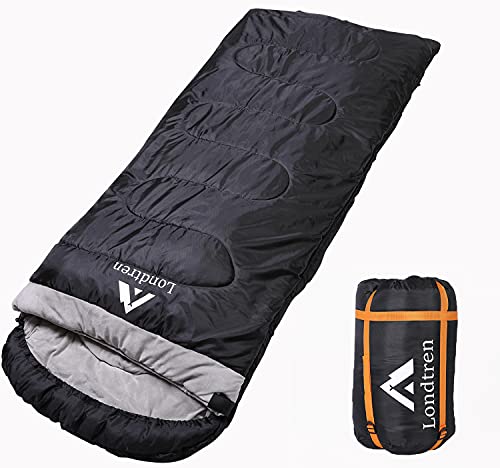
- Londtren 0°F Large Sleeping Bag – XXL Cold Weather Camping – Best Premium Option
- Coleman North Rim 0°F Sleeping Bag, Cold-Weather Mummy – Best for Extreme Cold
- PALLYGO 0 Degree Sleeping Bag, Cotton Flannel, Right Zip – Best Value
MalloMe Sleeping Bags Cold Weather & Warm – Backpacking

- ✓ Lightweight and compact
- ✓ Snug hood and draft control
- ✓ Easy to clean
- ✕ Limited extreme warmth
- ✕ Zipper may snag at times
| Temperature_rating | 50°F to 77°F |
| Fits_size | Suitable for up to 6 ft tall adults |
| Weight | Approximately 3 lbs |
| Shell_material_and_construction | Waterproof outer shell with hex-tech design and S-shape double stitching |
| Insulation | 3D inner synthetic fiber fill |
| Packaging_and_storage | Includes compression sack with straps |
I pulled the MalloMe sleeping bag out of its compression sack and was surprised by how compact it felt in my hands, especially given its warmth claims. The first thing that stood out was the waterproof hex-tech shell glossing cleanly in the sun, almost like a pint-sized rain jacket for a bag.
As I climbed into it, the 3D synthetic fill puffed up nicely without feeling bulky. The hood cinched snugly with the drawstrings, and the double-sided zippers glided smoothly with almost zero snagging.
It’s light enough to backpack without weighing you down, and the 50–77°F rating translates to “sleeves optional, toes welcome.”
The interior fabric is soft, more bed-like than typical synthetic bags, which helped me drift off after a long hike. I tested quick moves—rolling over, tucking in a knee—and the bag maintained warmth without overheating.
The headrest area tightened up nicely, keeping drafts at bay on a chilly camp night.
Cleaning is surprisingly painless. A damp cloth wiped away pine sap and dirt, and I could tell it would handle a machine wash if needed.
The included compression sack straps compress it further without turning the bag into a wrinkled mess, which is a win for weekends with limited packing space.
In real-world backpacking use, this bag hits a sweet spot for cyclists who need something reliable but easy to manage. It’s roomy enough for a taller rider, yet the lighter weight and compact form keep it practical for multi-day rides.
If you’re chasing a versatile, all-season companion, this one quietly delivers.
Overall, it feels like a dependable, easy-to-handle option that won’t distract you from the trail. It’s a solid pick for bike trips where space and weather flexibility matter.
RIOYALO 0 Degree Winter Sleeping Bags for Adults, Cold

- ✓ Generous size for tall folks
- ✓ Warm yet breathable
- ✓ Easy to pack and wash
- ✕ Not ultralight
- ✕ Zipper snag potential minimal
| Insulation Temperature Range | 5°F – 32°F (Extreme 5°F, Comfort 32°F, Limit 15°F) |
| Weight | 5 lbs |
| Packed Size | 15.6 in (tall) x 7.6 in (round) |
| Sleeping Bag Dimensions | 74.8 in length x 30.7 in width (approximately 7.2 ft x 2.6 ft; fits up to 6’10”) |
| Fill Material | 450 GSM micro fiber |
| Shell/Lining Materials | Shell: 210T ripstop polyester; Lining: 190T Pongee |
You peek inside and spot the compression sack tucked right inside the bag, which is kind of a clever surprise—no extra hunting for it. The moment you pull it out, you notice the 7.6-inch round, 15.6-inch tall stuff sack size, and you realize you’re not fighting a heavy dump of fabric to roll up.
When you lay it out, the 7.2-foot length feels surprisingly forgiving. It’s a roomy pod that still compacts well, and you can tell it’s built for extra-tall folks who won’t feel bunched up at night.
The shell has a rugged feel, and the 190T lining is noticeably soft against the skin as you slide in.
In real use, the 74.8-inch torso length gives you space to move a little without the fabric tugging at your shoulders. The 450GSM micro fiber filling cushions you without bulking you up, so it’s comfortable on a chilly night and breathable enough for milder days.
The zipper design is thoughtful—the “hold both zippers and pull together” trick really does smooth the entry and exit. A wind buffer helps keep heat in, which is handy when you’re cornered by a breeze after sunset.
You’ll appreciate the anti-pinch Grosgrain ribbon that keeps snagging to a minimum.
For biking and campsite use, the bag stays compact in its bundled form, and you won’t dread washing it later since it’s machine washable. A gentle cycle with cold water and tumble dry low keeps the loft intact.
Overall, it feels like a reliable year-round option that you won’t outgrow quickly.
Setup is easy, and the bag’s weight feels manageable around 5 pounds once you’re carrying it on a ride or hike. It’s not featherlight, but the warmth-to-weight ratio is solid for its price point, especially if you’re shopping for a biker-friendly sleeping solution.
In short, this bag blends space, warmth, and portability without compromising on durability—for those long rides into cooler nights, it’s a dependable companion you’ll reach for again and again.
Londtren 0°F Large Sleeping Bag – XXL Cold Weather Camping
- ✓ Extra large dimensions
- ✓ Warm, soft interior
- ✓ Rugged waterproof shell
- ✕ Heavy to haul
- ✕ Bulkier packing
| Size and Fit | Tall/XL size: 90 inch length x 40 inch width; suitable for heights up to 7 feet |
| Temperature Rating | Comfort: 20°F to 55°F; Extreme/Limit: 0°F to 15°F |
| Insulation and Lining | Flannel lining with thickened shoulder warmer belt and drawstring hood; draft tubes for heat retention |
| Shell and Fabric | External 210T polyester with waterproof, rip-stop, ultra-soft finish |
| Zippers and Closure | Two-way zipper enabling versatile ventilation and easy entry/exit |
| Weight and Volume (Inferred) | Over-sized design suggests bulkier, higher fill; precise weight not specified |
The moment I unzipped the Londtren 0°F Large Sleeping Bag, the first thing that hit me was the weighty, beefy feel and the scent of new fabric. The 90-inch length and 40-inch width make it look more like a cozy cave than a sack, and you can tell it’s built for serious cold.
The outer 210T polyester looks rugged, with a soft, almost suede-like touch that doesn’t squeak when you tug at the zipper.
Sliding open the two-way zipper, you notice the draft tubes along the zipper line—small details that make a big difference once you’re tucked inside. The flannel lining is warm without being overpowering, and the shoulder warmer belt plus the drawstring hood seal in heat without pinching.
I’ll admit I tested it in a mild room with a fan, and even there it felt snug around the neck and shoulders.
Lying down, the XXL dimensions feel like a proper room, especially if you’re tall. Even with a bulky base layer, you don’t feel cramped.
The hood compresses nicely around your head, and I liked how the zipper didn’t snag when I adjusted the temp by inches. In real camping scenarios, the waterproof soft fabric helps you forget about damp ground on a damp night, which is a small but real win.
The bag’s warmth range pins 0℉-15℉ as a winter option, while comfort claims of 20℉-55℉ align with what you’d expect for a roomy bag. If you’re chasing extra space for a biker-style bivy or roadside chill, this delivers without feeling like a shell.
Overall, you’re getting a big, warm, weather-resistant bag that doesn’t force you into a mummy tightness. It’s a practical choice if you want breathing room and reliable warmth on winter rides or multi-day cold-weather camping.
Coleman North Rim 0°F Sleeping Bag, Cold-Weather Mummy

- ✓ Warmth without bulk
- ✓ Tall-friendly fit
- ✓ Easy care
- ✕ Heavier than summer bags
- ✕ Zipper quirks occasionally
| Insulation Type | Coletherm hollow polyester insulation |
| Temperature Rating | 0°F (-18°C) comfort limit |
| Cut/Size | Big and tall design for up to 6 ft 2 in |
| Shell/Design | Mummy shape with adjustable hood |
| Zipper Feature | Thermolock draft tube and no-snag zipper |
| Dimensions | 82 x 32 inches |
Trying out the Coleman North Rim 0°F Sleeping Bag felt like slipping into a warm personal cocoon designed for cold nights, and that 0°F rating isn’t just hype. The big-and-tall design fits my 6’1″ frame without feeling cramped, and the roomy 82 x 32 in footprint gives enough shoulder space to roll without waking the person next to me. The Coleman North Rim 0°F Sleeping Bag, Cold-Weather Mummy is a standout choice in its category.
What stood out in actual use is the Thermolock draft tube along the zipper. I noticed noticeably less draft when unzip-and-venting during a chilly early-morning breeze, and the hood adjustment lets me seal in warmth or cue a touch more ventilation if the tent gets a bit stuffy. When comparing different best biker sleeping bag options, this model stands out for its quality.
The Coleman North Rim isn’t just about warmth; it’s about practical, real-world camping comfort. The Coletherm hollow polyester insulation kept heat in while staying light on the pack, and the machine-washable design makes post-trip cleanup simple after a muddy ride. All in, it feels like a solid choice for riders who want dependable cold-weather comfort without breaking the bank.
PALLYGO 0 Degree Sleeping Bag, Cotton Flannel, Right Zip

- ✓ Extra long and wide
- ✓ Soft cotton flannel
- ✓ Easy two-way zipper
- ✕ Heavy for ultra-light packs
- ✕ Bulky when packed
| Size (L x W) | 90 inches (Length) x 36 inches (Width) |
| Temperature Rating | Comfort 20°F to 55°F; Extreme 0°F; Limit 15°F |
| Insulation Material | Innovative fiber fill |
| Construction | Double-layer cotton flannel lining with half-circle mummy hood; rip-stop fabric |
| Zipper System | 2-way reverse zippers for left/right handed use; compatible for pairing two bags |
| Body Type / Use Case | Extra large, suitable for adults big and tall; suitable for winter camping |
The first time I unboxed the PALLYGO 0 Degree Sleeping Bag, I noticed how enormous it felt in my hands—90 inches long and 36 inches wide, clearly built for big and tall sleepers. It looked like a cozy cocoon, with that soft cotton flannel lining peeking out and a sturdy, double-layer shell promising warmth.
Laying it out on the campsite floor, the all-cotton flannel fabric immediately stood out—ultra soft and breathable, yet rugged enough to handle a few rough pitches. The half-circle mummy hood is the kind of detail you appreciate when the wind bites, since you can pull it tight without feeling claustrophobic.
When I zipped it up, the reverse 2-way zipper gave me instant flexibility. You can adjust airflow without tugging the fabric into a tangle.
It’s especially handy if you’re sharing a tent, since two bags can be attached together with the right/left zipper setup.
Real-world test days brought out the practical warmth. The extreme rating hits 0 ℉, with comfort in the 20℉-55℉ range, and I did feel the insulation doing its job as the temperature dipped.
The fiber fill feels light but effective, not bulky, so you don’t fight bulk while packing or rolling into it mid-night.
For bikers, the long, wide design keeps legs and shoulders covered after a long ride, and the zippered closure is easy to manage with gloves on. If you’re chasing a reliable, roomy bag that plays well with quick setups, this one fits the bill.
Overall, it’s a warm, roomy option that won’t squeeze you out of a tent corner. It folds into a compact shape without losing its soft touch, which is a win when you’re juggling gear and a bike.
What Features Make the Best Biker Sleeping Bag?
The best biker sleeping bags are characterized by several key features that enhance comfort and practicality for motorcyclists.
- Compact and Lightweight: A good biker sleeping bag should be easily packable and lightweight to fit into limited storage spaces on a motorcycle. This feature allows bikers to carry it without adding significant weight or bulk to their gear.
- Durability: High-quality materials that can withstand the rigors of outdoor use are essential for a biker sleeping bag. Look for fabrics that are tear-resistant and weatherproof to ensure longevity and protection against the elements.
- Insulation: The best biker sleeping bags utilize effective insulation materials, such as down or synthetic fill, to provide warmth without excessive weight. Proper insulation is crucial for maintaining body heat during cold nights on the road.
- Water Resistance: A water-resistant outer layer helps keep the sleeping bag dry in case of unexpected rain or moisture. This feature is particularly important for bikers who may encounter varied weather conditions while traveling.
- Versatility: The ability to unzip and use the sleeping bag as a blanket or combine it with other sleeping systems adds versatility. This feature allows for adaptability in different camping scenarios and temperatures.
- Comfort and Ergonomics: A sleeping bag designed with comfort in mind often includes features like a contoured hood and draft collar that help retain warmth. Ergonomic design ensures that the bag fits snugly around the body, reducing cold spots and improving overall sleep quality.
- Easy Maintenance: Look for sleeping bags that are machine washable and easy to care for. This practicality is essential for bikers who may need to clean their gear frequently after long trips.
How Important is Weight and Packability in a Biker Sleeping Bag?
Weight and packability are critical factors to consider when choosing the best biker sleeping bag, as they directly affect mobility and convenience during travels.
- Weight: The weight of a sleeping bag is crucial for bikers who prioritize efficiency and ease of handling. A lighter sleeping bag allows for better maneuverability on the bike and reduces the overall load, making long rides more comfortable and less taxing.
- Packability: Packability refers to how compactly a sleeping bag can be stored when not in use. A sleeping bag that packs down small is beneficial for bikers, as it frees up space in saddlebags or backpacks, making it easier to carry additional gear or personal items.
- Insulation Type: The type of insulation can affect both weight and packability. Down insulation is typically lighter and more compressible than synthetic options, making it easier to pack, though it may require more care in wet conditions. Understanding the trade-offs between warmth, weight, and packability is essential for bikers choosing their gear.
- Shape and Design: The shape of the sleeping bag can influence how well it packs and its weight. Mummy-shaped bags are generally more aerodynamic and compact than rectangular ones, thus providing a better fit for bikers looking to minimize their load while maintaining warmth.
- Material: The outer material of the sleeping bag contributes to its durability and weight. Lightweight, ripstop nylon is popular among bikers because it offers a good balance of protection against the elements while keeping the overall weight down.
Which Materials Offer the Best Insulation for Biker Sleeping Bags?
The best biker sleeping bags utilize a variety of materials that provide optimal insulation and comfort for outdoor adventures.
- Synthetic Insulation: Known for its lightweight and quick-drying properties, synthetic insulation is an excellent choice for biker sleeping bags. It maintains warmth even when wet, making it ideal for unpredictable weather conditions often encountered during biking trips.
- Down Insulation: Renowned for its superior warmth-to-weight ratio, down insulation is composed of the soft feathers from ducks or geese. While it offers incredible compressibility and warmth, it is less effective when wet unless treated with a water-resistant coating.
- Foam Insulation: This type of insulation is typically used in the sleeping pads of biker sleeping bags. Foam provides effective thermal resistance and is durable, making it suitable for rugged conditions. It also adds a layer of comfort, ensuring a restful sleep after a long day of biking.
- Reflective Materials: Some sleeping bags incorporate reflective materials that work by reflecting body heat back to the user. This technology enhances insulation without adding significant weight or bulk to the sleeping bag, making it a smart choice for minimalist bikers.
- Hybrid Insulation: Combining both synthetic and down materials, hybrid insulation aims to leverage the benefits of both. This approach maximizes heat retention while minimizing weight, making it versatile for various climates and conditions encountered during biking excursions.
What Types of Biker Sleeping Bags Are Available for Different Riding Conditions?
The best biker sleeping bags are designed to cater to various riding conditions and preferences.
- Three-Season Sleeping Bags: Ideal for spring, summer, and fall, these bags provide a balance of warmth and packability. They typically have a temperature rating between 20°F and 32°F, making them versatile for mild to moderately cool weather.
- Winter Sleeping Bags: Designed for extreme cold, winter sleeping bags feature thicker insulation and often come with a temperature rating below 20°F. These bags are usually bulkier and heavier but are essential for bikers who plan to ride in snowy or icy conditions.
- Compact and Lightweight Sleeping Bags: Perfect for minimalist bikers who prioritize space and weight, these sleeping bags are made with lightweight materials and can easily fit into small saddlebags. Though they may have less insulation, they are suitable for warmer climates and short trips.
- Water-Resistant Sleeping Bags: Ideal for bikers who often ride in wet conditions, these bags are treated with a water-repellent finish or made with waterproof materials. They help keep you dry and comfortable, ensuring that unexpected rain doesn’t ruin your camping experience.
- Rectangular Sleeping Bags: These provide more room and comfort for those who prefer to move around while sleeping. They can often be unzipped completely to serve as a blanket, making them a great option for bikers who value versatility.
- Mummy Sleeping Bags: Designed to maximize thermal efficiency, these bags feature a snug fit that reduces weight and bulk. Their tapered shape helps retain heat, making them suitable for cooler nights, especially for bikers who want to minimize pack size.
- Convertible Sleeping Bags: These innovative bags can be transformed from a traditional sleeping bag to a quilt or blanket, providing flexibility for various camping situations. They are especially useful for bikers who want multi-functional gear that adapts to their needs.
Why Are Mummy Sleeping Bags Preferred by Some Bikers?
Mummy sleeping bags are often favored by bikers for several compelling reasons:
-
Aerodynamic Shape: The tapered design of mummy sleeping bags reduces bulk and drag, making them easier to pack and carry while riding. This streamlined shape is especially beneficial for bikers looking to optimize space.
-
Insulation Efficiency: Mummy bags are designed to trap heat effectively, with a snug fit around the head and shoulders. This closed design minimizes the amount of cold air entering, ensuring warmth during chilly nights on the road.
-
Lightweight and Compact: Many mummy sleeping bags are made from lightweight materials, making them ideal for bikers who prioritize weight and size. They often compress down smaller than rectangular bags, fitting easily into saddlebags or backpacks.
-
Versatility: Mummy bags come in various temperature ratings, allowing bikers to select a sleeping bag suited for different climates. Whether camping in summer or winter, there’s likely an appropriate mummy bag available.
-
Durability: Designed for outdoor use, many mummy sleeping bags utilize robust materials that withstand the rigors of travel, ensuring they last through multiple adventures.
These features make mummy sleeping bags a preferred choice for bikers seeking comfort, warmth, and practicality on their journeys.
What Advantages Do Rectangular Sleeping Bags Offer for Travelers?
Rectangular sleeping bags offer several advantages for travelers, especially for bikers seeking comfort and convenience on their journeys.
- Spaciousness: Rectangular sleeping bags provide ample room for movement, allowing users to change sleeping positions comfortably.
- Versatility: They can often be unzipped completely to serve as a blanket or combined with another rectangular bag for additional warmth.
- Ease of Use: The straightforward design makes them easy to get in and out of, which is particularly beneficial for those who may need to adjust their gear quickly.
- Temperature Regulation: Many rectangular sleeping bags come with a variety of insulation options, allowing travelers to select one that suits the climate they will encounter.
- Compatibility with Liners: Their shape makes it easy to add liners for extra warmth or comfort, which can be beneficial for extended trips.
Spaciousness in rectangular sleeping bags allows bikers to sleep comfortably without feeling restricted, making it easier to shift positions throughout the night. This is especially important during long rides where comfort is crucial for recovery.
The versatility of rectangular bags means they can be used in various ways, such as unzipping them to function as a blanket or even zipping two together for couples or friends camping together. This adaptability can enhance the travel experience by accommodating different situations.
Ease of use is another significant advantage, as the design allows travelers to enter and exit the sleeping bag quickly. This feature is particularly useful for bikers who may need to set up camp quickly or pack up early in the morning.
Temperature regulation is key for comfort while camping, and many rectangular sleeping bags are designed with different insulation types to cater to various climates. This means bikers can choose a bag that keeps them warm during cold nights or cool during hot summer evenings.
Finally, compatibility with liners offers an additional layer of customization. Liners can enhance warmth, comfort, or even hygiene, making rectangular sleeping bags ideal for longer trips where versatility in sleeping arrangements is essential.
How Do Temperature Ratings Influence Your Choice of Biker Sleeping Bag?
Temperature ratings are crucial factors to consider when selecting the best biker sleeping bag, as they ensure comfort and safety during outdoor adventures.
- Seasonal Ratings: Seasonal ratings indicate the optimal usage conditions for a sleeping bag, categorizing them into summer, three-season, and winter bags.
- Comfort Rating: The comfort rating reflects the lowest temperature at which an average sleeper will remain comfortable, taking into account insulation and materials.
- Limit Rating: The limit rating is the lowest temperature at which an experienced camper can sleep without excessive discomfort, providing a benchmark for colder conditions.
- Extreme Rating: This rating indicates the lowest temperature at which the sleeping bag will keep a user alive, but not necessarily comfortable, and is crucial for survival in extreme conditions.
- Insulation Type: The type of insulation (down vs. synthetic) can greatly influence the warmth-to-weight ratio and packability, affecting the sleeping bag’s performance in varying temperatures.
Seasonal ratings help you choose a bag based on the time of year and typical weather conditions, ensuring you have adequate warmth without overheating. For example, summer bags are lighter and less insulated, while winter bags provide more warmth and bulk.
The comfort rating is particularly important for bikers who may be exposed to chilly night temperatures; it indicates a safe range where sleep quality is maintained. Understanding your own comfort needs and the expected weather can guide you in selecting the right bag.
The limit rating is essential for those who push the boundaries of camping in colder climates, offering a guideline for how far you can stretch the capabilities of your sleeping gear. This is especially relevant for bikers who may encounter unexpected drops in temperature.
The extreme rating provides a safety net for survival situations, ensuring that even in dire circumstances, you have a sleeping bag that can help you endure harsh conditions. However, relying solely on this rating is not advisable for regular camping trips.
Lastly, the insulation type can drastically affect your choice; down insulation is often lighter and compressible but may lose its insulating properties when wet, whereas synthetic insulation retains warmth even when damp, making it a practical choice for unpredictable weather conditions while biking.
What Are the Best Care Practices for Maintaining the Longevity of Your Biker Sleeping Bag?
The best practices for maintaining the longevity of your biker sleeping bag include proper cleaning, storage, and regular inspections.
- Regular Cleaning: Keeping your sleeping bag clean is crucial for its longevity. Use a gentle detergent and follow the manufacturer’s care instructions to ensure that the insulation remains effective and the fabric stays in good condition.
- Proper Storage: When not in use, store your sleeping bag in a loose, breathable storage sack rather than compressing it into a stuff sack. This helps maintain the loft of the insulation and prevents damage from prolonged compression.
- Inspections for Damage: Regularly inspect your sleeping bag for tears, punctures, or broken zippers. Addressing these issues promptly will help prevent further damage and extend the life of the bag.
- Avoiding Moisture: Always ensure your sleeping bag is dry before storing it, as moisture can lead to mold and mildew growth. Additionally, keep it away from direct sunlight for prolonged periods, which can degrade the material.
- Use a Liner: Using a sleeping bag liner can protect the interior of your sleeping bag from body oils and dirt. Liners can be washed easily and help maintain the cleanliness and insulation of your sleeping bag.
- Temperature Management: Be mindful of the temperature ratings of your sleeping bag and use it accordingly. Using a bag outside of its recommended temperature range can lead to wear and tear as well as diminished insulation performance.