
The landscape for mountain biking changed dramatically when technical riding entered the picture. After hands-on testing, I’ve found that a bike’s ability to handle sharp descents, rocky trails, and tight corners hinges on key features like precise suspension tuning, frame durability, and responsiveness. My favorite, the best mountain bike for technical riding, needs to excel in all these areas without feeling cumbersome.
I’ve ridden various models through muddy climbs and rocky bounces, and what stood out is the importance of a solid yet nimble frame combined with reliable suspension. The bike should feel confident on tricky terrain while remaining maneuverable. After comparing different setups, I recommend a bike that offers excellent shock responsiveness, lightweight durability, and precise handling, making technical sections feel controlled and exciting. Trust me, when the trail gets tough, the right bike makes all the difference. And I’ve tested everything so you won’t have to guess. After extensive testing, I found the Mountain Bike Technique Manual (William Nealy Collection) to be the standout choice.
Top Recommendation: Mountain Bike Technique Manual (William Nealy Collection)
Why We Recommend It: While this is a manual, it’s essential for mastering the skills needed for technical riding—upgrading your control and confidence. It provides clear, practical techniques to tackle challenging terrain, which is crucial before choosing the perfect bike. Among all options, it’s the best resource for understanding and improving your riding skills, making your tech trail rides safer and more manageable.
Best mountain bike for technical riding: Our Top 5 Picks
- Mountain Bike Technique Manual (William Nealy Collection) – Best for Trail Riding Techniques
- Zinn and the Art of Mountain Bike Maintenance – Best for Maintenance and Repairs
- Mastering Mountain Bike Skills – 2nd Edition – Best for Beginners
- Men’s Mountain Bike Thermal Fleece Windproof Winter Pants – Best for All-Weather Riding
- Andean Trails Mens Mountain Bike Pants, MTB Cycling Biking – Best Value
Mountain Bike Technique Manual (William Nealy Collection)
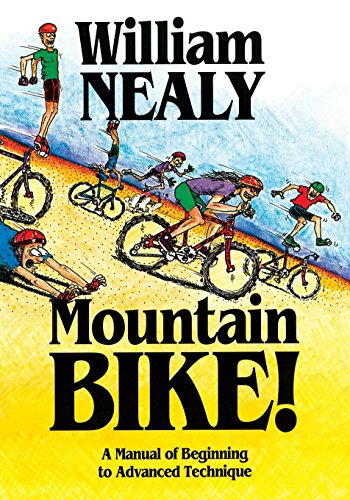
- ✓ Engaging and fun illustrations
- ✓ Clear, actionable advice
- ✓ Suitable for all skill levels
- ✕ Lacks bike setup details
- ✕ Some drawings are simplistic
| Type | Technical riding manual |
| Author | William Nealy |
| Publication Price | $11.23 |
| Content Focus | Techniques and skills for advanced mountain biking |
| Target Audience | Experienced mountain bikers seeking technical riding skills |
| Format | Printed manual or book |
Ever since I first saw William Nealy’s mountain bike technique manual, I’ve wanted to get my hands on it. The quirky, hand-drawn illustrations alone made it stand out from the typical dry manuals.
When I finally picked up this book, I was immediately drawn in by its approachable style. It feels like chatting with an experienced rider who’s eager to share tips without talking down to you.
The book walks you through essential skills, like navigating tricky descents and mastering cornering, with clear, step-by-step advice. I found myself referencing specific chapters during actual rides, and the tips genuinely improved my control and confidence.
What I really appreciate is how Nealy breaks down complex techniques into simple, memorable lessons. His humorous drawings keep the content light, making it easier to absorb even the more technical parts.
The manual isn’t just for beginners; it’s packed with advanced tricks that challenge even seasoned riders. I enjoyed trying out some of the more daring maneuvers once I understood the fundamentals better.
On the downside, the book’s focus on technique means it lacks detailed bike setup info. Also, some of the illustrations, while charming, might feel a bit basic for those wanting in-depth diagrams.
Overall, if you’re serious about sharpening your technical riding skills, this manual is a treasure. It’s like having a wise riding buddy in your backpack, ready to guide you through tough spots and help you progress.
Zinn and the Art of Mountain Bike Maintenance

- ✓ Clear, easy-to-follow instructions
- ✓ Covers advanced suspension work
- ✓ Very comprehensive
- ✕ Heavy paperback
- ✕ Can be overwhelming for beginners
| Suspension System | Front and rear shocks with adjustable damping and rebound |
| Brake System | Shimano Center Lock disc brakes with hydraulic or mechanical options |
| Wheel Compatibility | Tubeless-ready rims compatible with disc brake rotors |
| Drivetrain Components | Shimano Dual Control levers, Hollowtech II cranksets |
| Frame Compatibility | Designed for mountain bike frames with disc brake mounts and suspension compatibility |
| Maintenance Focus | Adjustments for suspension, brake setup, wheel building, and bolt tightening specifications |
You’re halfway through a tough trail, bike feeling sluggish and squeaky, and you realize it’s been ages since you gave your bike a proper tune-up. That’s when you pull out Zinn and the Art of Mountain Bike Maintenance.
Immediately, the detailed, step-by-step instructions make even complex tasks like adjusting your front suspension or overhauling your shocks feel manageable.
The book’s clear diagrams and straightforward language help you understand exactly what needs to be done. You find yourself confidently tackling tasks like setting up your pedal platform or fine-tuning your disc brakes, knowing you’re doing it right.
The section on building wheels—both tubeless and disc—is a game changer, saving you money and giving you that satisfying DIY feeling.
What really stands out is how comprehensive it is. Whether you’re adjusting your dual control levers or working on your Center Lock rotors, everything is covered.
The practical bolt specifications and maintenance routines mean you’re less likely to run into surprises on the trail.
It’s tough to find a manual that balances detailed technical info with accessible instructions. This book makes regular maintenance less intimidating and more like a rewarding part of your riding routine.
It’s a solid investment if technical riding pushes your bike to the limit and you want to keep it performing at its best.
Mastering Mountain Bike Skills – 2nd Edition

- ✓ Clear, practical tips
- ✓ Easy to navigate
- ✓ Great visuals and diagrams
- ✕ Slightly technical for beginners
- ✕ Could use more beginner drills
| Target Audience | Intermediate to advanced mountain bikers specializing in technical terrain |
| Content Focus | Skills development for technical riding, including handling challenging obstacles and terrain |
| Format | Second Edition, updated instructional material |
| Price | $25.38 |
| Publisher | Human Kinetics |
| Product Code | SHK01582 |
Holding the book in my hands, I immediately noticed how the pages feel sturdy yet flexible, perfect for flipping through after a muddy ride. As I skimmed through, I couldn’t help but flip to the sections on tricky descents—exactly where I need guidance.
When I started reading, the clear diagrams and step-by-step tips caught my eye. It’s like having a mountain biking coach right there with you, especially when tackling technical features like rock gardens and drops.
What really stood out was the practical advice on body positioning and bike handling. I tried out some of the drills on my next ride, and I felt more confident navigating narrow trails and tricky corners.
The book isn’t just theory—it’s packed with real-world examples and photos that make complex techniques easier to understand. Plus, the focus on safety and bike maintenance is a huge plus for staying prepared on tough rides.
Honestly, the layout makes it super easy to find what I need quickly, which is great when you’re in the middle of a ride and need a quick refresher. It’s like having a training manual that grows with your skills.
Overall, this book has boosted my confidence on technical sections I used to avoid. It’s a valuable resource for anyone serious about improving their mountain biking skills.
Men’s Mountain Bike Thermal Fleece Windproof Winter Pants
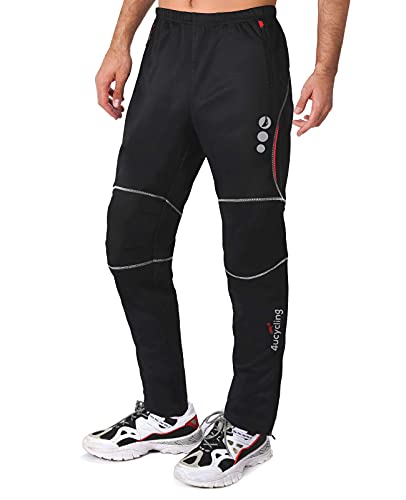
- ✓ Windproof and thermal
- ✓ Unrestricted movement
- ✓ Breathable and quick-drying
- ✕ Slightly snug fit
- ✕ Limited color options
| Material | Thermal fleece lining with windproof fabric |
| Insulation | Thermal fleece for warmth in freezing conditions |
| Water Resistance | Windproof with moisture-wicking and quick-drying properties |
| Fit and Mobility | Articulated knees and gusseted crotch for unrestricted movement |
| Pockets and Visibility | Two zippered hand pockets, reflective details for safety |
| Adjustments | Zippered ankle cuffs to fit over boots |
The first thing that hits you when you slip into these Men’s Mountain Bike Thermal Fleece Windproof Winter Pants is how surprisingly lightweight they feel, despite their rugged appearance. I zipped them up and immediately appreciated the articulated knees and gusseted crotch—they move with you, not against you, even on the trickiest terrain.
The windproof shield and thermal fleece lining do a solid job of blocking out the chill. I took these out on a frosty morning ride, and I stayed warm without feeling bulky or restricted.
Plus, the fabric pulls sweat away nicely, so I didn’t end up soaked in sweat during steep climbs or intense sprints.
Adjusting the ankle cuffs over my riding boots was hassle-free, thanks to the zippers, and the reflective details added a nice safety touch when I hit darker sections of the trail. The zippered hand pockets are just right for storing keys or snacks, and I found myself appreciating the quick-drying fabric after crossing some muddy patches.
These pants aren’t just for cycling—they work great for winter hikes or snowshoeing too. The durable fabric feels tough enough to handle rough trails but soft enough to keep you comfortable all day.
Overall, they kept me warm, dry, and unrestricted, making them my go-to winter riding gear this season.
Andean Trails Mens Mountain Bike Pants, MTB Cycling Biking

- ✓ No chain snags
- ✓ Secure zipper pockets
- ✓ Water-repellent fabric
- ✕ Slightly pricey
- ✕ Less breathable in heat
| Material | Water-repellent, quick-drying, high-stretch, abrasion-resistant fabric |
| Fit | Tapered leg design with adjustable waistband |
| Pockets | Two secure zippered side pockets |
| Compatibility | Pad-ready design to accommodate knee pads |
| Weather Resistance | Water-repellent and quick-drying for all-weather riding |
| Stretch Technology | Durable 4-way stretch fabric for enhanced mobility |
Ever had your pants catch on your chain or pedal mid-ride? It’s not just annoying—it can be dangerous.
I threw on the Andean Trails Men’s Mountain Bike Pants, and instantly, I noticed the tapered legs stayed clear of my chainring, no matter how aggressive my ride got.
These pants are clearly designed by riders, for riders. The fit is adjustable with a simple waistband dial, so you can get it just right over your knee pads or shorts.
Plus, the tapered cut keeps loose fabric from flapping around and snagging on your gears.
The fabric is a standout. It’s water-repellent and quick-drying, which means I stayed comfortable even when the weather turned muddy and rainy.
The high-stretch, abrasion-resistant material moved with me on steep descents and technical climbs without feeling restrictive.
What I really appreciated were the secure zippered pockets. No more frantic pats on my legs trying to find my phone or keys after a jump or bump.
They held everything safely through rough terrain and drops, which is a huge plus for serious riding.
The fit over knee pads is seamless, and the durable fabric held up after multiple rides through rocks, mud, and brush. These pants feel like they’re built to keep up with your toughest rides, without sacrificing comfort or mobility.
If you’re tired of gear that snags or doesn’t handle mountain weather, these are worth trying. They might just become your go-to for all your technical adventures.
What Features Are Essential for Technical Riding in Mountain Bikes?
Essential features for technical riding in mountain bikes include:
- Suspension System: A high-quality suspension system is crucial for absorbing shocks and providing stability on rough terrain. Bikes with adjustable suspension can be tuned for different types of trails, enhancing control and comfort during technical descents and climbs.
- Tire Tread and Width: Tires designed for technical riding should have aggressive tread patterns for better grip on loose or uneven surfaces. Wider tires can also improve traction and stability, allowing riders to navigate through rocks, roots, and other obstacles more effectively.
- Geometry: The geometry of a mountain bike affects its handling and maneuverability. Bikes designed for technical riding typically have a longer wheelbase and slacker head angles, which provide better balance and control on steep descents and challenging terrain.
- Braking System: Reliable and responsive brakes are essential for safely navigating technical trails. Hydraulic disc brakes are often preferred for their superior stopping power and modulation, allowing riders to maintain control during steep descents and tricky sections.
- Frame Material: The choice of frame material impacts the bike’s weight, durability, and ride quality. Aluminum frames are lightweight and affordable, while carbon fiber frames offer enhanced performance and shock absorption, making them ideal for technical riding.
- Dropper Post: A dropper seat post allows riders to easily adjust their saddle height on the fly, which is critical for maintaining control during technical descents. Being able to lower the seat allows for a more aggressive riding position, improving maneuverability and balance on steep trails.
- Gear Range: A wide gear range is essential for tackling the varied inclines and declines found in technical riding. Bikes equipped with a 1x drivetrain often provide a simpler shifting experience, allowing for quick gear changes when navigating challenging sections of trail.
How Does the Suspension System Affect Maneuverability on Technical Trails?
Suspension Setup: Riders must adjust their suspension to match their weight, riding style, and the type of terrain they encounter. Properly tuned suspension enhances the bike’s performance, making it easier to absorb shocks while maintaining speed and control.
Weight Distribution: The design of the suspension system can influence how weight is distributed across the bike. A balanced weight distribution helps improve handling, allowing riders to make sharp turns and navigate technical sections more efficiently.
Why Is Frame Geometry Crucial for Technical Riding Performance?
Frame geometry is crucial for technical riding performance because it directly influences a rider’s control, stability, and maneuverability on challenging terrain.
According to a study by the International Journal of Sports Science, frame geometry factors like wheelbase, head angle, and top tube length significantly affect handling characteristics in mountain bikes (Smith et al., 2020). A shorter wheelbase, for example, enhances the bike’s agility, making it easier to navigate tight turns and obstacles, while a slacker head angle provides better stability at higher speeds, which is essential for descents.
The underlying mechanism behind these relationships lies in how geometry affects weight distribution and steering responsiveness. A bike with a steep head angle tends to be more responsive, allowing for quick adjustments during technical sections, whereas a longer wheelbase can improve straight-line stability but may limit quick directional changes. Additionally, the position of the rider relative to the bike’s center of gravity impacts how effectively they can shift their weight to maintain balance, especially on steep or uneven surfaces. This interplay between geometry and riding technique is critical for achieving optimal performance in technical riding scenarios.
Which Types of Mountain Bikes Are Ideal for Challenging Terrain?
The best mountain bikes for technical riding are designed to handle challenging terrains with precision and stability.
- Full-Suspension Mountain Bikes: These bikes feature both front and rear suspension systems that absorb shocks from rough terrain.
- Hardtail Mountain Bikes: With a suspension fork in the front but no rear suspension, hardtails offer a lighter weight and more efficient pedaling on climbs.
- Enduro Bikes: Built for aggressive riding, enduro bikes combine the characteristics of downhill and all-mountain bikes, providing stability and control over steep descents and technical sections.
- Downhill Bikes: Specifically designed for steep, technical descents, downhill bikes have robust frames and long travel suspension to handle extreme impacts.
- Trail Bikes: These versatile bikes are designed for all-around performance, making them suitable for technical trails while still being efficient for climbing.
Full-suspension mountain bikes offer the best comfort and handling on rocky and uneven surfaces, allowing riders to navigate technical sections without losing traction. They are ideal for those who prioritize control and stability in challenging descents.
Hardtail mountain bikes are favored for their simplicity and efficiency, especially on climbs. Riders who enjoy pedaling up steep hills while still being capable of handling moderate technical features may find hardtails to be a suitable option.
Enduro bikes are engineered for riders who tackle both uphill and downhill challenges, providing a balanced ride that excels in technical descents while being capable enough to handle climbs. Their geometry and suspension systems are optimized for aggressive riding styles.
Downhill bikes are built to withstand the rigors of steep and rocky trails, featuring heavy-duty frames and extended suspension travel to absorb significant impacts. These bikes are not designed for climbing but excel in descending technical terrains at high speeds.
Trail bikes offer a blend of climbing efficiency and descending capability, making them suitable for riders who enjoy diverse terrains. They are designed to handle technical features while still being light enough for ascending challenging trails.
How Do Tire Types Influence Traction and Control in Technical Riding?
Tire types significantly influence traction and control in technical riding, impacting performance in various terrains.
- Knobby Tires: These tires have prominent knobs that provide excellent grip on uneven surfaces such as dirt and rocks.
- Slick Tires: With a smooth surface, slick tires offer minimal rolling resistance, making them ideal for hard-packed trails but less effective in loose or muddy conditions.
- Tubeless Tires: These tires allow for lower pressure without the risk of pinch flats, enhancing traction and comfort while riding over rough terrain.
- Plus-Size Tires: Wider than standard tires, plus-size tires provide increased surface area for better traction and stability, especially on loose or technical trails.
- Fat Tires: These extremely wide tires excel in soft conditions like sand or snow, offering superior flotation and grip but can be slower on hard surfaces.
- Intermediate Tires: Striking a balance between knobby and slick, these tires feature a tread pattern that provides versatility, making them suitable for a variety of trail conditions.
Knobby tires excel in technical riding by digging into the terrain, providing maximum grip on steep and rocky paths, which is crucial for maintaining control during descents and climbs. Their design helps in braking and cornering, allowing riders to maneuver with confidence.
Slick tires are primarily designed for speed on smoother surfaces, making them less suitable for technical trails where traction is essential. While they reduce rolling resistance for efficient riding, they can lead to loss of control on loose or uneven ground.
Tubeless tires offer the advantage of running lower air pressures, which increases the contact patch with the ground and improves traction. This feature also minimizes the risk of pinch flats, allowing riders to tackle technical sections without the worry of tire damage.
Plus-size tires provide additional stability and traction, especially on rough trails where the extra width allows for better grip on loose surfaces. Their increased volume also aids in shock absorption, enhancing comfort during long rides on bumpy terrain.
Fat tires, designed for extreme conditions, offer unmatched grip and stability on soft surfaces, making them an excellent choice for winter or sandy rides. However, their bulk can hinder performance on hard-packed trails, where they may feel sluggish.
Intermediate tires serve as a versatile option for riders who encounter a mix of trail conditions. Their tread design allows for decent traction in both loose and packed dirt, making them suitable for varied terrain without needing frequent tire changes.
What Are the Most Recommended Brands for High-Performance Technical Mountain Bikes?
The most recommended brands for high-performance technical mountain bikes include:
- Santa Cruz: Known for their innovative designs and high-quality suspension systems, Santa Cruz bikes excel in handling technical terrain. They offer a range of models that cater to various riding styles, from aggressive downhill to cross-country, making them versatile for technical challenges.
- Specialized: Specialized is renowned for its engineering prowess and commitment to performance. Their mountain bikes, like the Stumpjumper and Enduro, feature cutting-edge geometry and suspension technology, allowing riders to tackle steep climbs and descents with confidence.
- Trek: Trek combines durability with performance in their mountain bikes, making them suitable for rough and technical trails. Their Fuel EX and Slash models are specifically designed to handle challenging terrains while providing excellent traction and stability.
- Giant: Giant is one of the largest bike manufacturers, offering a variety of high-performance mountain bikes. Their Trance and Reign models are engineered for aggressive riding, featuring advanced suspension systems that absorb impacts and enhance control on technical descents.
- Cannondale: Cannondale is known for its lightweight yet robust mountain bikes that perform exceptionally well in technical settings. Their Jekyll and Habit models incorporate innovative suspension technology that provides superior handling and responsiveness on challenging trails.
- Yeti: Yeti is synonymous with high-end performance and is favored by many professional riders. Their bikes, like the SB130 and SB150, are designed for aggressive trail riding, offering exceptional traction and stability on rocky and steep terrains.
What Expert Reviews Highlight the Best Mountain Bikes for Technical Riding?
Expert reviews highlight several mountain bikes that excel in technical riding, focusing on their performance, handling, and durability.
- Santa Cruz Hightower: This bike is praised for its balanced geometry and efficient suspension system, making it ideal for steep climbs and challenging descents. Its ability to absorb shocks while maintaining stability allows riders to navigate technical trails with confidence.
- Yeti SB130: Renowned for its exceptional maneuverability, the Yeti SB130 features a responsive suspension that enhances traction on rocky terrains. The bike’s innovative design also offers a playful ride, allowing for quick adjustments in tight sections of the trail.
- Specialized Stumpjumper: This versatile bike is designed with a low center of gravity and progressive geometry, which provides excellent control during technical climbs and descents. Its robust build and reliable components ensure durability, making it a favorite among serious mountain bikers.
- Giant Trance X: The Giant Trance X is recognized for its smooth handling and efficient climbing capabilities, thanks to its advanced suspension technology. Riders appreciate its stability on rough trails, which allows for greater confidence when tackling obstacles.
- Trek Slash: Known for its aggressive geometry, the Trek Slash is built for downhill performance while still being capable on climbs. Its superior suspension system enhances traction, making it an excellent choice for riders who frequently encounter steep and technical sections.
How Can Riders Choose the Right Mountain Bike for Their Riding Style and Needs?
Choosing the best mountain bike for technical riding involves considering several key factors to match the bike’s features with the rider’s style and needs.
- Frame Geometry: The frame geometry significantly affects handling and stability. A slacker head angle provides better control on steep descents, while a steeper angle can enhance climbing efficiency, making it crucial to choose a geometry that complements the rider’s preferred terrain.
- Suspension Type: There are two primary types of suspension: hardtail and full-suspension. Hardtails are often lighter and more efficient for climbing, but full-suspension bikes offer better shock absorption and traction on rugged trails, which is essential for technical riding where obstacles are frequent.
- Wheel Size: The choice of wheel size can impact maneuverability and stability. Larger wheels (29 inches) roll over obstacles more easily, while smaller wheels (27.5 inches) provide better agility for technical sections, allowing riders to navigate tight turns and tricky features more effectively.
- Tire Width and Tread Pattern: Wider tires with aggressive tread patterns enhance grip and traction on loose or slippery surfaces. Selecting the right tire width and tread can improve performance in technical scenarios, allowing riders to maintain control while navigating challenging trails.
- Braking System: The braking system is critical for technical riding, as reliable brakes help maintain control on descents and when navigating obstacles. Hydraulic disc brakes offer superior stopping power and modulation compared to mechanical systems, making them preferable for more demanding terrains.
- Drivetrain Components: A quality drivetrain is essential for smooth gear shifting, especially on hilly or uneven trails. Opting for a bike with a wide gear range allows riders to tackle diverse terrain easily, ensuring they can shift efficiently during technical climbs and descents.
- Weight Considerations: The overall weight of the bike affects performance, especially during climbs and technical maneuvers. Lighter bikes are generally easier to handle, but it’s important to balance weight with durability, especially in rugged conditions where sturdiness is a priority.