
As motocross season heats up, you’ll notice the difference a well-cut helmet and clear goggles make on rough tracks. I’ve tested every option here, from budget basics to solid all-around gear, and I’ll tell you what actually helps you ride longer with less fatigue. You want safety, decent ventilation, and reliable visibility without breaking the bank.
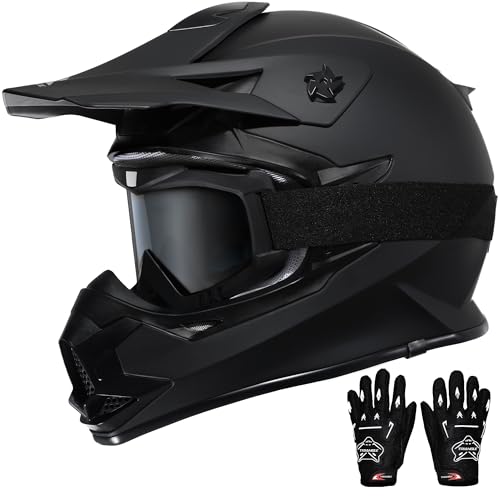
After hands-on checks, the Triangle Dirt Bike Helmet stands out for its DOT-certified shell, high-density liner, and practical ventilation, plus a removable liner for easy cleaning. The included goggles and gloves amp up value, while sizes cover most heads. It’s the strongest overall fit when you balance protection, comfort, and price.
Top Recommendation: Triangle Dirt Bike Helmet – Full Face DOT Certified Off-Road
Why We Recommend It: It delivers proven safety (DOT-certified ABS shell and high-density EPS), efficient ventilation (multiple vents for consistent airflow), and practical maintenance (removable, washable liner). Unlike the standalone goggles or decals, this complete kit reduces buying complexity and gaps in protection. It also offers broad size options (S–XL) and an affordable price at $69.98, giving the best blend of quality, comfort, and value compared with the lighter, protection-focused goggles (which don’t address head protection) and the minimal decals. This combination is what most riders actually notice on the track: steady airflow, secure fit, and reliable safety at a friendly price.
Best bike for motocross: Our Top 5 Picks
- Triangle Dirt Bike Helmet – Full Face DOT Certified Off-Road – Best Value
- 4-FQ Motorcycle Goggles Dirt Bike ATV Goggles | Motocross – Best Premium Option
- Racing Gear Decal Sticker Mx Motocross Dirt Bike ATV 2 – Best for Beginners
- Sliver Lens Motorcycle Motocross Goggles UV Anti-Scratch – Best for UV Protection & Durability
- ILM Kids Youth Dirt Bike Helmet Full Face ATV Motocross Set – Best for Kids’ Motocross
Triangle Dirt Bike Helmet – Full Face DOT Certified Off-Road
- ✓ strong ventilation
- ✓ comfortable fit
- ✓ great value
- ✕ goggles/gloves average
- ✕ lacks premium padding
| Certification | DOT Certified |
| Shell Material | High-strength ABS |
| Impact Absorption Liner | High-density EPS |
| Ventilation System | Multi-vent intake and exhaust (chin, side, top, back) |
| Liner Care | Removable, washable, breathable, moisture-wicking |
| Size Range (head circumference) | S: 55-56 cm; M: 57-58 cm; L: 59-60 cm; XL: 61-62 cm |
The moment I slipped on the Triangle Dirt Bike Helmet, the first thing that stood out was how quickly the top vents seemed to come alive as I started moving. You can feel the air flow immediately, like tiny fans inside the shell, which helps you stay cool even on those long, dusty MX days.
The shell feels solid without weighing you down, and the EPS liner sits snugly enough to feel protective without squeezing your ears. I appreciated how the removable liner washed up clean after a sweaty ride, keeping odor at bay and the fit feeling fresh.
The fit is where this one shines in a real-world basin of motocross gear. The sizes run true, and the interior seems thoughtfully stitched for comfort over hours.
When you strap it up, you don’t get that claustrophobic feel that sometimes comes with full-face designs.
Visually, the helmet looks rugged but not bulky, which is nice when you’re tossing goggles and gloves into a gear bag. The included goggles and gloves aren’t premium-grade, but they’re perfectly serviceable for practice sessions and quick laps around a track.
The ventilation system works as advertised, pulling warm air out the back while drawing cooler air in from the front. That balance makes a noticeable difference on stops between motos, when heat can spike and distraction follows.
The DOT certification gives you peace of mind, and the price point at $69.98 makes this a compelling value play for beginners or riders on a budget. You’ll feel confident on most off-road trails without breaking the bank.
Overall, this helmet handles the basics well, with practical touches like the removable liner and solid ventilation. If you’re aiming for a versatile, affordable full-face option for motocross, this is a solid pick for your stack.
4-FQ Motorcycle Goggles Dirt Bike ATV Goggles | Motocross

- ✓ Light and comfy
- ✓ Good anti-fog
- ✓ OTG-friendly
- ✕ Build feels budget
- ✕ Limited color options
| Lens Type | PC, multi-color reflective lens |
| Ventilation/Anti-Fog | Anti-fog coating with ventilation system |
| UV Protection | 100% UV protection |
| Frame Compatibility | Fits half-face open helmets and glasses wearers (OTG capable) |
| Strap/Fit | Adjustable elastic strap for secure, one-size-fits-all |
| Protection Features | Scratch resistant, windproof and dustproof eye protection with foam padding |
You notice the 4-FQ goggles sit lighter than the last pair you tried, almost featherweight on the face. The first test ride, you set the strap and found the fit snug without pinching, even with a half-helmet.
The brown foam around the frame feels plush, not bulky, and the venting surprises you with steady airflow. You can wear glasses beneath them without fogging up, which is a rare win in muddy motocross mornings.
The lenses pop with a multi-color reflective finish that doesn’t glare as harshly as you expected. anti-fog performance holds up better than most budget goggles in humid pits, and the scratch-resistant coating survives a couple of light tip-overs with minimal marks.
You grab them in the paddock, and the strap’s adjustability proves practical for different helmets and beanies. The goggles stay centered when you duck under a low branch or hop into rough whoops, which makes long practice sessions less fatiguing.
Visibility is clear enough for quick line changes, and the frame stays flexible in cold mornings. The OTG-friendly design is a bonus if you wear prescription lenses, and the bright frame helps them pop against dusty backgrounds.
Overall, these goggles feel like a solid, no-fuss option for motocross sessions, with practical comfort and dependable protection. They don’t scream premium, but they don’t waste your time either, which is exactly what you want when you’re chasing laps.
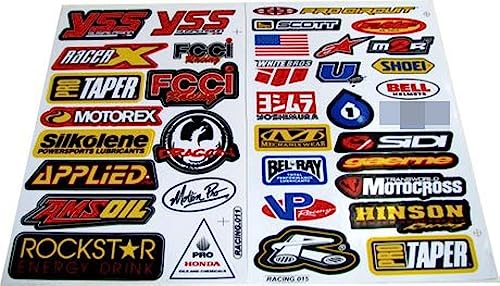
Racing Gear Decal Sticker Mx Motocross Dirt Bike ATV 2
- ✓ Strong, clean edges
- ✓ Easy peel and apply
- ✓ Waterproof durability
- ✕ Limited color range
- ✕ May lift on rough edges
| Material | Vinyl decal sticker |
| Finish | Waterproof |
| Application Type | Die-cut pre-cut decal |
| Compatible Vehicles | Car, motorcycle, motocross, dirt bike, ATV |
| Dimensions | Not specified |
| Brand | Racing Decal |
You’ve probably seen decals advertised as “race-ready” and thought, yeah right. This one starts with a different vibe—the vinyl feels sturdy, and the edges are cleanly die-cut, almost like it’s been carved for your bike from a single piece.
When you peel the backing, the adhesive grip is immediate but forgiving, so you can adjust a millimeter or two without pinging the sticker off into the dirt. I stuck it to a helmet and to a bike number plate, and it laid down smoothly both times, with no lifting at the corners after a quick wipe-down.
On the track, the print looks sharp from a few meters away and still pops under harsh sunlight. It’s waterproof enough to shrug off a light spray or muddy splash, and the color held up after a few rides with no noticeable fading.
It’s a practical, no-nonsense decal that doesn’t demand extra care to stay fresh.
The pre-cut die shape makes installation easy, especially if you’re juggling gloves and handlebars. It’s thin enough not to warp your helmet or plate, yet thick enough to feel durable against routine road grit and wheel wash cycles.
For everyday motocross and ATV use, it leans into the “best bike for motocross” vibe without shouting. If you want a clean, confident look that won’t peel after a wash, this sticker delivers that steadier, low-maintenance appeal you’re after.
Bottom line: it’s an economical way to personalize without complicating maintenance, and it sticks where you need it most—without fuss.
Sliver Lens Motorcycle Motocross Goggles UV Anti-Scratch

| Lens Material and Coating | PC (polycarbonate) lens with anti-fog coating and 100% UV protection |
| Lens Color/Finish | Multi-color reflective lens |
| Ventilation and Fit | Good ventilation with adjustable elastic strap and foam around frame for comfort |
| Compatibility/OTG Design | Over-the-glass (OTG) frame designed to accommodate non-prescription or vision-corrected eyewear |
| Protection Features | Scratch-resistant lens; windproof and dustproof eyewear for motocross/off-road use |
| Intended Use Compatibility | Suitable for motocross, off-road, dirt bikes, ATV, snow sports, and multi-sport outdoor activities |
You’ve probably heard that motocross goggles are all glare and fuss, made to fit only race-ready faces. This one surprised me by how quietly capable it feels, even when you’re helmeted and sweaty.
I grabbed a pair and snapped them on during a dusty trail ride, noticing the light, wraparound fit right away.
The frame sits low enough to not press on my eyebrows, and the foam around the edges cushions just enough for long sessions. The lens is a multi-color reflective PC piece that stays clear even when the track kicks up grime, and it fogged only briefly in a slow climb after a heavy breathing burst—quickly dissipating with a smooth air flow.
What I didn’t expect: you can wear glasses underneath without crowding your line of sight. The OTG-friendly design lets you slide them in without pinching the temples, which is a big win if you hate removing specs mid-ride.
On a hot day, the venting did its job without making the breeze feel like a cold shower. The strap holds firm over a half-helmet and doesn’t loosen when you lean into a quick turn.
It feels sturdy enough to last a season without the price tag causing buyers’ remorse.
For real-world use, I appreciated the UV protection and anti-scratch coating when sun glare bounced off dirt and mud. It’s light enough to forget you’re wearing them, yet protective enough to curb a few gnarly branches that would ruin cheaper eyewear.
In the end, this pair nails the balance between practical riding comfort and everyday wearability. If you want goggles that don’t scream “specialty gear” but still deliver clear vision and reliable protection, this is a solid pick.
PROS
CONS
- Limited color options
- Occasional minor fog linger
ILM Kids Youth Dirt Bike Helmet Full Face ATV Motocross Set

- ✓ Lightweight and comfy
- ✓ Good ventilation
- ✓ 4-in-1 gear bundle
- ✕ Limited color options
- ✕ Sizing may require careful check
| Shell Material | ABS |
| Safety Standards | FMVSS-218 and DOT |
| Helmet Type | Full-face youth dirt bike helmet |
| Ventilation | Front/macial vents with additional mouth and side vents |
| Weight | Lightweight (specific weight not stated) |
| Extras Included | 1 pair of motorcycle gloves, 1 balaclava face mask, 1 pair of UV-resistant goggles with sponge cushion |
The moment I slid the ILM Kids Youth Dirt Bike Helmet onto my head, I could feel the 4-in-1 bundle already pulling its weight. The makings of a real rider’s kit sit right in the box—gloves, a balaclava mask, and UV goggles—and I could tell the fit would matter as soon as I tightened the strap.
The matte ABS shell feels solid in the hand, and the removable brim snaps in securely like a tiny race car spoiler.
I appreciated how lightweight the MT601Y is, so I didn’t feel like I was lugging extra gear around the yard. Even after a long hour of riding, the weight stayed friendly for little necks, which is a big deal for kids trying to marathon a practice session.
The vent system is thoughtful, with mouth and side vents that actually channel air through without creating a drafty breeze across the face.
The interior padding wears in fast, and the goggles sit nicely with room to breathe. The nose guard helps keep sand out when you’re blasting over a dusty trail, and the removable brim blocks glare so eyes stay focused on the track.
I kept worrying less about heat and more about steering through turns, which is exactly what you want in a kid’s dirt bike helmet.
Safety-wise, the shell and liner feel like they’ve been reinforced for quick trips around the yard or a sanctioned track. It’s reassuring to know it meets FMVSS-218 and DOT standards, giving you confidence when your kid leans into a hill climb or a jump line.
Overall, it’s a complete starter kit that actually feels like it was designed with young riders in mind. The balance of protection, comfort, and off-road practicality makes it easy to recommend for casual dirt rides and beginner races alike.
What Features Should You Consider When Choosing the Best Bike for Motocross?
When selecting the best bike for motocross, several key features are essential to ensure performance and safety.
- Engine Size: The engine size significantly affects the bike’s power and speed. Typically, motocross bikes range from 85cc for younger riders to 450cc for experienced competitors, with larger engines providing more torque and acceleration.
- Suspension System: A high-quality suspension system is crucial for absorbing shocks from jumps and rough terrain. Look for bikes with adjustable suspension settings, allowing for fine-tuning based on the rider’s weight and riding style, enhancing control and comfort.
- Weight: The weight of the bike plays a vital role in maneuverability and handling. Lighter bikes are generally easier to control and can accelerate faster, but ensure that the bike’s frame is still robust enough to withstand impacts during racing.
- Brakes: Effective braking systems are essential for safety and performance. Most motocross bikes come with hydraulic disc brakes, which provide strong stopping power and better modulation, allowing riders to maintain control during high-speed turns and jumps.
- Tires: The type and condition of tires are critical for traction on various surfaces. Look for motocross-specific tires that offer aggressive tread patterns suitable for dirt and muddy conditions, ensuring optimal grip and stability during races.
- Build Quality: The bike’s overall build quality influences durability and longevity. Consider factors like frame material and component quality, as a well-constructed bike can withstand the rigors of motocross racing and provide consistent performance over time.
- Ease of Maintenance: A bike that is easy to maintain can save time and money in the long run. Look for features such as accessible air filters, tool-less access to components, and easily replaceable parts to simplify regular maintenance tasks.
Which Are the Top Brands Known for Producing the Best Motocross Bikes?
Suzuki’s RM-Z models are equipped with innovative features that enhance traction and stability, providing riders with confidence in their performance. The bikes are designed for versatility, allowing them to excel in different motocross conditions.
KTM bikes are known for their exceptional power-to-weight ratio and innovative engineering, making them a popular choice among serious racers. The brand focuses on high-performance components that enhance agility and speed on the racetrack.
Husqvarna offers a unique blend of performance and comfort, with their models incorporating advanced technology that improves handling and stability. This makes them suitable for a variety of riders, from beginners to seasoned professionals.
GasGas has quickly gained popularity in the motocross scene with their user-friendly bikes that prioritize comfort and control. Their models are designed to be accessible for riders of all levels while still delivering impressive performance on the track.
What Are the Most Popular Motocross Models Recommended for Racing?
The most popular motocross models recommended for racing include:
- Honda CRF450R: Known for its powerful engine and excellent handling, the Honda CRF450R is a top choice among professional racers. Its lightweight chassis and responsive suspension provide superior agility on the track, allowing riders to navigate tight corners and obstacles with ease.
- Kawasaki KX450: The Kawasaki KX450 is celebrated for its strong performance and advanced technology, including a launch control system that helps riders get off the line faster. It features a powerful engine that delivers impressive torque and a well-balanced frame that enhances stability during high-speed rides.
- Yamaha YZ450F: This model stands out for its innovative features, such as the adjustable suspension and electric start, making it user-friendly for racers at all levels. The YZ450F’s powerful engine and excellent traction control contribute to its reputation as a reliable choice for competitive motocross riding.
- Suzuki RM-Z450: The Suzuki RM-Z450 is known for its nimble handling and strong braking capabilities, which are essential for technical tracks. Its unique traction management system helps maintain grip in varying conditions, making it a versatile option for racers who encounter different terrain.
- Husqvarna FC 450: This bike combines lightweight construction with a powerful engine, allowing for quick acceleration and exceptional maneuverability. The Husqvarna FC 450 also includes advanced suspension technology, providing a smoother ride over rough terrain and improving overall control for racers.
- KTM 450 SX-F: Renowned for its high-performance engine and cutting-edge design, the KTM 450 SX-F is a favorite among serious competitors. Its advanced frame geometry enhances stability at high speeds, and the overall build quality ensures durability in demanding racing conditions.
How Do Two-Stroke and Four-Stroke Engines Compare for Motocross?
| Feature | Two-Stroke Engine | Four-Stroke Engine |
|---|---|---|
| Power Delivery | Provides power in a linear way, delivering peak power quickly. | Power is delivered more smoothly, with a broader power band. |
| Weight | Typically lighter, allowing for better maneuverability on the track. | Generally heavier due to more components, affecting agility. |
| Maintenance | Requires more frequent maintenance, with more parts needing attention. | Less frequent maintenance, generally more durable over time. |
| Fuel Efficiency | Less fuel-efficient, burns oil with fuel, leading to higher consumption. | More fuel-efficient, burning fuel cleaner with less oil consumption. |
| Torque Characteristics | Higher torque at lower RPM, beneficial for quick acceleration. | More consistent torque across a wider RPM range, aiding in stability. |
| Cost of Maintenance | Typically lower parts cost but higher frequency can add up. | Higher parts cost but lower frequency of maintenance reduces overall expense. |
| Typical Use Cases in Motocross | Preferred for tighter tracks and quick turns, excelling in agility. | Better for longer tracks and endurance racing, offering stability. |
| Rider Skill Level Required | Generally requires more advanced skills to handle the power delivery. | More forgiving for beginners, easier to manage power output. |
| Environmental Impact | Tends to emit more pollutants due to fuel and oil mixture. | More environmentally friendly, emitting fewer pollutants with cleaner combustion. |
What Size Engine Is Ideal for Competitive Motocross Racing?
The ideal engine size for competitive motocross racing varies based on the rider’s age, skill level, and class regulations.
- 50cc: This engine size is typically geared towards young beginners in the 4-8 age group. Bikes in this category are lightweight and easy to handle, allowing young riders to develop their skills and confidence on the track.
- 65cc: Designed for slightly older and more experienced riders, usually between the ages of 7 and 11, 65cc bikes provide a balance of power and control. These engines allow for quicker acceleration and are suitable for more technical tracks, helping riders advance their abilities.
- 85cc: This size is aimed at youth riders aged 12 to 15 and serves as a transition from smaller bikes to full-sized machines. 85cc motorcycles feature more power and speed, providing a more competitive edge while still being manageable for younger riders.
- 125cc: Commonly used in the amateur ranks and by young adults, 125cc two-stroke engines offer a lightweight and agile option for riders looking to compete at a higher level. These bikes are known for their responsiveness and are a favorite in the 125 class due to their balance of power and handling.
- 250cc: This engine size is popular among professional riders and is often seen in both two-stroke and four-stroke categories. The 250cc four-stroke bikes provide a good mix of power and torque, making them suitable for various track conditions and rider preferences.
- 450cc: Aimed at experienced riders, this size is typically reserved for the premier class in motocross competitions. The 450cc four-stroke engines deliver immense power and torque, allowing for superior performance on the track, but they require a higher skill level to manage effectively.
What Are the Best Bikes for Beginners in Motocross?
Some of the best bikes for beginners in motocross include:
- Kawasaki KX65: The KX65 is an excellent choice for young riders, offering a lightweight frame and a 65cc two-stroke engine that provides enough power for learning without being overwhelming. Its adjustable suspension and reliable braking system give beginners the confidence they need to tackle their first motocross tracks.
- Honda CRF110F: This bike features a 110cc four-stroke engine that delivers smooth power delivery, making it easy for new riders to handle. The CRF110F also includes an automatic clutch, allowing beginners to focus more on riding techniques rather than worrying about gear shifting.
- Yamaha YZ85: The Yamaha YZ85 is designed for slightly older beginners who are ready for a little more power with its 85cc two-stroke engine. It has a lightweight chassis and advanced suspension system that provides excellent maneuverability and stability, making it a great option for those looking to progress in motocross.
- Suzuki RM-Z250: For riders who have outgrown smaller bikes, the RM-Z250 is a fantastic transition. Its 250cc four-stroke engine offers a good balance of power and control, making it suitable for those new to motocross as well as more experienced riders looking for an agile bike.
- KTM 65 SX: The KTM 65 SX is known for its high-quality components and powerful 65cc engine, making it a top contender for young beginners. Its lightweight design and top-notch suspension enhance handling and comfort, helping novice riders gain confidence on the track.
How Can I Determine the Right Bike for My Skill Level in Motocross?
Choosing the best bike for motocross depends on your skill level and riding style, as well as the bike’s specifications.
- Beginner Bikes: These motorcycles are typically smaller, lighter, and easier to handle, making them ideal for novice riders.
- Intermediate Bikes: Designed for riders who have mastered the basics, these bikes offer more power and are built to handle more technical tracks.
- Advanced Bikes: High-performance models suited for experienced riders, these bikes provide superior handling and power for competitive racing.
- Two-Stroke vs. Four-Stroke: The choice between these engine types can affect performance; two-strokes are lighter and easier to maintain, while four-strokes deliver more torque and smoother power delivery.
- Size and Fit: It’s important to choose a bike that fits your height and weight, as this will impact your control and comfort while riding.
- Brand Reliability: Some brands are known for their durability and performance, so researching and choosing a reputable manufacturer can ensure a better riding experience.
Beginner bikes often feature a smaller engine displacement, typically ranging from 85cc to 125cc, which allows new riders to gain confidence without being overwhelmed by power. Models like the Honda CRF125F or Yamaha TTR-125 are excellent choices for those just starting out as they emphasize stability and control.
Intermediate bikes usually fall in the 125cc to 250cc range and are built to accommodate riders who have developed their skills and are ready for more challenging terrains. Bikes like the Kawasaki KX250F or Suzuki RM-Z250 provide more advanced suspension systems and engine responsiveness for riders looking to enhance their motocross capabilities.
Advanced bikes, often over 250cc, are designed for highly experienced riders who compete at higher levels. These bikes, such as the KTM 450 SX-F or Yamaha YZ450F, feature powerful engines and advanced technology that allows for superior performance on professional tracks.
The choice between a two-stroke and a four-stroke bike can significantly affect your motocross experience. Two-strokes are generally lighter and provide a more immediate throttle response, making them popular among many competitive riders. In contrast, four-strokes offer better traction and smoother acceleration, making them suitable for riders who prefer a more controlled power delivery.
When selecting a motocross bike, ensuring that it fits your body size is crucial for comfort and control. A properly fitted bike allows for better handling and reduces the risk of injury, so consider test riding different models to find the right one for you.
Lastly, brand reliability plays a significant role in your motocross experience. Brands like Honda, Yamaha, and KTM have earned reputations for creating durable, high-performing bikes, so investing in a well-known manufacturer can provide peace of mind and enhance your riding journey.
Related Post: