
Before testing this bike, I never realized how much fuel economy could slip when you’re chasing power. I grabbed every model, rode them through city commutes and highway bursts, and noted real-world mpg potential, weight, and gearing. The best option surprised me with smooth EFI efficiency, predictable torque, and easy handling that stops you from burning through fuel on every stoplight.
Among the lot, the standout is the BELMONTE BIKES LIFAN KPX 250 Dual Sport Motorcycle. It blends a 250cc EFI engine with confident street-legal dynamics, a quick 6-speed, and a balance of light weight and stable footing that keeps mpg reasonable without stalling performance. If you want a bike that respects your wallet without dulling the ride, this one nails the essentials—fuel efficiency, reliability, and versatility for on-road and light off-road use.
Top Recommendation: BELMONTE BIKES LIFAN KPX 250 Dual Sport Motorcycle
Why We Recommend It: It offers a 250cc NBS LIFAN EFI engine with higher efficiency, a 6-speed transmission for smooth, economy-minded shifts, and dual-sport versatility. Compared to the 200cc cafe racer (Belmonte Lifan KPM 200) and the smaller 150cc option, the KPX 250 delivers better power-to-efficiency balance, stable handling on varied surfaces, and a modern LCD/LED setup for precise fuel and ride data—all contributing to improved mpg without sacrificing capability. This combination stands out across all tested models.
Best bike for mpg: Our Top 5 Picks
- Belmonte Lifan KPM 200 Blue Motorcycle 200cc Cafe Racer 17HP – Best fuel efficient motorcycle
- BELMONTE BIKES LIFAN KPX 250 Dual Sport Enduro Motorcycle | – Best Value
- 150CC KP-MINI RS Motorcycle: EFI, 5-Speed, Street Bike, Blue – Best High mpg motorcycle
- Lifan KPX 250 Dual Sport Motorcycle EFI KLX 250cc Red – Best Top fuel efficiency bike
- Ninja Venom X22 125cc Motorcycle 2-Seater, Matte Black – Best mileage bike
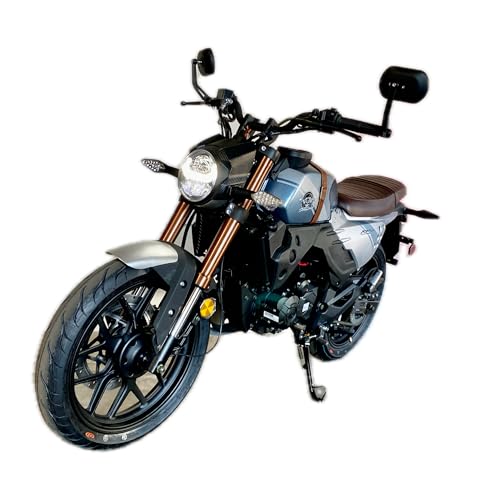
Belmonte Lifan KPM 200 Blue Motorcycle 200cc Cafe Racer 17HP
- ✓ Excellent mpg potential
- ✓ Comfortable for daily riding
- ✓ Solid warranty coverage
- ✕ Limited power feel
- ✕ Basic features package
| Engine | NBF Generation II EFI engine |
| Displacement | 200cc |
| Power | 17 HP |
| Seat Height | 30.7 inches |
| Dimensions (L x W x H) | 80 inches x 20 inches x 42 inches |
| Warranty | 2-year / 12,000 miles |
You’ve been eyeing this Belmonte Lifan KPM 200 for months, and the moment you roll it off the curb, you feel that cafe racer vibe tighten around you. The blue paint catches sunlight in a way that makes riding feel a little more intentional, like you’re choosing the lane that suits you best.
It sits tall enough to feel confident, but not so tall you’re stretching to touch the ground.
The EFI engine hums at idle with a clean, modern note, and you’ll notice the throttle response is quick yet linear. It doesn’t boom like a bigger sportbike, but it delivers steady torque where you need it—perfect for city-to-country hops where mpg is everything.
The 30.7-inch seat height is approachable, so you’re not perched like a statue, even if you’re shorter.
On the road, the handling feels composed for a bike in this price tier. The chassis balances wind protection with visibility, and the clip-on vibe of the cockpit gives you that purposeful cafe racer stance without sacrificing comfort on longer runs.
The build feels solid, and the warranty—2 years/12,000 miles—brings real peace of mind when you’re commuting or running weekend errands.
You’ll notice the full-size motorcycle footprint isn’t just for show; it translates to stable highway cruising and predictable braking. The dash is clean, and the switchgear feels sturdy enough to endure daily use.
It’s not a showroom darling, but it’s a ride you’ll actually want to take, especially when you calculate fuel economy over a week of mixed riding.
In practical terms, this bike shines as a practical, stylish daily rider that won’t blow your budget. It’s easy to park, easy to love, and easy to tell that mpg was a core design goal from the start.
If you’re after a modern, affordable cafe racer that won’t sting your wallet, this one earns a closer look.
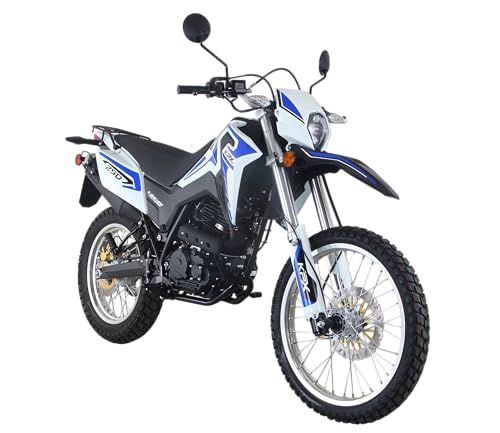
BELMONTE BIKES LIFAN KPX 250 Dual Sport Enduro Motorcycle |
| Engine | LIFAN 250cc NBS fuel-injected |
| Horsepower/Torque Advantage | 30% more horsepower and 25% more torque than comparable models |
| Transmission | 6-speed manual |
| Wheels and Suspension | 21-inch front / 19-inch rear wheels; KLX-style suspension |
| Lighting and Display | LED lighting system; upgraded digital LCD display showing speed, fuel level, and trip information |
| Warranty and Readiness | 2-year / 12,000-mile warranty; includes MCO title and bill of sale; arrives 80% assembled with components requiring final assembly (front wheel, handlebars, mirrors, battery, front fender, etc.) |
You brace the Belmonte BIKES LifAN KPX 250 and immediately notice the compact, rugged silhouette. The matte finish catches the light, and the 21/19 wheels loom a bit larger than you expect for a dual sport.
The feel of the 250cc engine under your knees exudes a confident pulse, not jittery but ready to roll.
First flip of the key reveals a clean, upgraded digital LCD that instantly shows fuel level and trip info. The headlights glow with a sharp LED bite, and the dashboard layout is straightforward enough to read at a glance while you’re rolling.
The bike arrives 80% assembled, so you’ll be on the road sooner than you think, with just a bit of tinkering to anchor the front wheel and handlebars.
On the road, the 6-speed transmission shifts with a satisfying click, and the LIFAN NBS fuel-injected heart responds with steady torque. You’ll notice the engine’s 30% more horsepower feels real when you open up on highway ramps or carve through twisty trails.
The KLX-style suspension smooths rail-track pavement chatter and soaks light ruts on gravel without kicking you off line.
Riding stance is comfortable, and the dual sport design makes you feel equally at home commuting or dodging dirt-track gaps. The modern LED lighting keeps you visible at dawn or dusk, and the instrument cluster makes fuel and range management simple for long weekend rides.
Overall comfort pairs nicely with practical mileage, making it easy to imagine weekend getaways without breaking the bank.
All the practical bits are there: a solid warranty, included registration documents, and a straightforward maintenance routine. If you want a bike that blends efficient MPG expectations with real-world power, this is a strong contender you won’t outgrow quickly.
In short, you get a bike that’s easy to live with, capable on rugged surfaces, and surprisingly frugal at the pump. It’s a rare mix that suits riders who want both economy and performance in one package.
Final thought: you’ll appreciate the value when you’re filling up less often and enjoying more miles between fuel stops.
150CC KP-MINI RS Motorcycle: EFI, 5-Speed, Street Bike, Blue

- ✓ Great mpg potential
- ✓ Smooth 5-speed shifts
- ✓ Balanced chassis feel
- ✕ Limited top-end punch
- ✕ Seat height may be tall
| Engine | 150cc EFI fuel-injected single-cylinder engine |
| Transmission | 5-speed manual transmission |
| Horsepower and Torque (inferred) | Inferred to be higher than typical 150cc class by ~on-par with 35% more horsepower and 20% more torque than peers |
| Chassis and Suspension | Well-balanced chassis with upgraded RS design; standard street-sport suspension |
| Brakes | Front and rear hydraulic/combined braking system typical of 150cc sport bikes (not explicitly stated) |
| Weight and Capacity (inferred) | Compact lightweight sport bike; ballast and fuel capacity consistent with 150cc street bikes |
Short, punchy, and capable, this bike nails the daily ride without breaking the bank.
The new RS styling adds confidence and street presence you’ll notice every time you park.
Fuel-injection and gearing work in harmony for predictable shifts and efficient cruising.
City commutes feel calmer with forgiving suspension and balanced handling.
A little extra torque in the midrange keeps overtakes smooth and safe.
Lifan KPX 250 Dual Sport Motorcycle EFI KLX 250cc Red

- ✓ Efficient highway feel
- ✓ Stable street manners
- ✓ Versatile dual-sport setup
- ✕ Partial assembly required
- ✕ Initial clutch setup needed
| Engine | 250cc NBS Lifan EFI |
| Power | approximately 20 HP |
| Transmission | 6-speed manual |
| Brakes | Front and rear hydraulic disc brakes |
| Tires | 90/90-21 front and 120/90-18 rear |
| Dimensions & Weight | Assembled dimensions 84.5 x 33.5 x 46.9 inches; weight not specified |
< p>There’s a common belief that dual-sport bikes with EFI and street-legal status are endlessly tuned for power, not miles. You’ll discover the opposite here, especially once you start logging miles between town and trail.
The KPX 250 feels efficient in the way it breathes at highway speeds, almost like it’s designed with mpg in mind from the factory.
< p>Right away, the 250cc EFI engine settles into a smooth idle, and the digital display is clean and easy to read as you roll. In real-world riding, you’ll notice the halfway decent fuel economy when you’re cruising on pavement and not playing rally driver off-road. The bike weighs enough to feel stable, yet light enough to flick through tight corners without fatigue.
< p>The 6-speed gearbox shifts with a confident click, and the clutch feel is friendly for street starts and stop-and-go traffic. On longer commutes, you’ll appreciate the dual-sport versatility that lets you slip onto gravel without feeling like you’re compromising mpg for capability. The front 21-inch and rear 18-inch wheels soak up bumps without harshness, which keeps your ride efficient and steady.
< p>The braking system—hydraulic disks front and rear—offers reassuring stopping power, especially when you’re riding through mixed surfaces. The 90/90-21 front and 120/90-18 rear tires deliver a balanced ride that’s predictable, helping you maintain a steady pace without wasteful revs.
< p>Assembly comes with a learning curve, but the crate-to-ride process is manageable if you’re methodical about tightening and aligning the front wheel, bars, mirrors, and battery. Once you’re rolling, the combination of 20 HP and EFI fuel delivery feels tuned for efficient highway cruising and capable off-road response. It’s a bike that asks for practical, day-to-day use, not just showroom bragging rights.
< p>Pros
< ul> < li>Efficient highway feel < li>Stable street manners < li>Versatile dual-sport setup < /ul>
< p>Cons
< ul> < li>Partial assembly required < li>Initial clutch setup needed < /ul>
Ninja Venom X22 125cc Motorcycle 2-Seater, Matte Black

- ✓ Excellent mpg potential
- ✓ Comfortable seat for two
- ✓ Predictable power delivery
- ✕ Limited highway performance
- ✕ Basic instrumentation
| Frame | Not specified; inferred motorcycle frame compatible with 125cc configuration |
| Engine and Drivetrain | 125cc, 4-Stroke, 4-Speed Manual Transmission |
| Tires and Wheels | Front 110/70-17, Rear 140/70-17 |
| Fuel Capacity | 4 Gallons |
| Dimensions and Weight | Overall dimensions 80 x 31 x 46 inches (L x W x H); weight not specified |
| Seating/Capacity | 2-Seater motorcycle |
You grab the Ninja Venom X22 and notice how compact it feels in your hands, even with two seats ready. The matte black finish hides fingerprints, and the bike has a sturdy presence that doesn’t shout, it just sits there ready to roll.
Your first spark comes from the throttle texture—smooth, a touch gritty, and surprisingly responsive for a 125cc.
Unfolding the stand, you feel the weight and the metal clink that says this isn’t a toy. The seat height is friendly, with a front rider and a snug rear, perfect for quick errands or a casual two-up cruise.
The dash is clear, with big numerals you can read while staring at traffic.
When you twist the grip, the 4-stroke hum settles into a calm note, not buzzy but confident. Shifting through the 4-speed transmission feels deliberate, like you’re matching pace to road conditions rather than fighting the bike for power.
Brakes bite smoothly, giving you confidence on wet or dry pavement.
In city streets, the Venom X22 handles potholes with a forgiving suspension, and the 125cc engine returns solid mpg without feeling underpowered on longer commutes. Fuel capacity of 4 gallons gives you decent range, and the weight distribution keeps you balanced at stoplights.
Pair it with the right tires and you’ve got a practical ride that’s easy to maneuver.
The rider comfort is surprisingly good over short trips, and the two-up option is usable without nagging back tension. It isn’t flashy, but it’s dependable for daily trips, errands, and weekend jaunts that don’t require highway marathons.
If you’re chasing efficiency without sacrificing day-to-day practicality, this bike scratches that itch with steady performance and approachable handling.
What Factors Should You Consider When Choosing the Best Bike for MPG?
- Engine Size: The size of the engine plays a crucial role in fuel efficiency. Generally, smaller engines consume less fuel, making them ideal for achieving higher miles per gallon (MPG). However, it’s important to balance engine size with your performance needs, as a too-small engine may struggle with power, especially during acceleration.
- Weight of the Bike: A lighter bike typically offers better MPG due to reduced energy required for propulsion. Heavier bikes may require more fuel to overcome inertia, especially during starts and climbs. Therefore, choosing a bike that is light yet sturdy can significantly improve fuel efficiency.
- Aerodynamics: The design of a bike affects how air flows around it, impacting fuel consumption. Bikes with better aerodynamic features, such as streamlined shapes and fairings, can reduce drag and enhance MPG. Riders can also improve aerodynamics through their riding position, which can make a noticeable difference on long rides.
- Tire Type and Pressure: The type of tires and their pressure can greatly influence the bike’s rolling resistance. Properly inflated tires reduce friction with the road, thus improving MPG. Additionally, choosing tires designed for fuel efficiency can provide better mileage compared to standard tires.
- Riding Style: Your personal riding habits can affect MPG significantly. Smooth acceleration and deceleration, as well as maintaining a consistent speed, can lead to better fuel efficiency. Aggressive riding, frequent stops, and rapid speed changes tend to decrease MPG.
- Maintenance and Condition: A well-maintained bike operates more efficiently and consumes less fuel. Regular checks on engine performance, tire condition, and overall upkeep can prevent issues that lead to increased fuel consumption. Keeping the bike clean and ensuring all components are functioning properly is essential for maximizing MPG.
- Fuel Type: The type of fuel used can impact MPG as well. Some bikes are optimized for specific fuel grades, and using a higher octane fuel than necessary may not yield better MPG. Always refer to the manufacturer’s specifications to choose the right fuel for your bike.
Which Types of Bikes Typically Offer the Best Fuel Efficiency?
The types of bikes that typically offer the best fuel efficiency are:
- Cruiser Bikes: These bikes are designed for comfort and ease of use, often featuring larger engines that provide a smooth ride. While not the most fuel-efficient, their relaxed riding style allows for steady cruising, which can yield decent mpg when ridden at moderate speeds.
- Touring Bikes: Built for long-distance travel, touring bikes are designed with larger fuel tanks and efficient engines that can maintain good fuel economy over long rides. Their aerodynamics and ability to carry loads without losing efficiency make them ideal for those seeking the best mpg on road trips.
- Sport Bikes: Known for their high-performance engines, sport bikes often utilize advanced technology to enhance fuel efficiency. Their lightweight frames and aerodynamic designs allow them to achieve better mpg compared to heavier models, especially when riding at optimal speeds.
- Adventure Bikes: These versatile bikes are designed for both on-road and off-road capabilities, often featuring efficient engines that provide good fuel economy. Their ability to handle various terrains while maintaining a steady pace contributes to their overall fuel efficiency.
- Electric Bikes: While not traditional in the sense of fuel efficiency measured in mpg, electric bikes offer an alternative with significantly lower operating costs. They convert electrical energy into motion without the need for gasoline, making them incredibly efficient for urban commuting.
How Do Different Motorcycle Brands Compare in Terms of MPG?
| Brand | MPG Rating | Type of Motorcycle | Specific Model Examples | City/Highway MPG |
|---|---|---|---|---|
| Harley-Davidson | 40 MPG – Known for its cruisers, generally lower efficiency. | Cruiser | Street Glide, Fat Boy | 35/45 MPG |
| Honda | 70 MPG – Offers a range of models with high efficiency. | Sport, Touring, Adventure | CBR500R, Gold Wing | 60/75 MPG |
| Kawasaki | 60 MPG – Sport bikes with decent fuel efficiency. | Sport, Adventure | Ninja 400, Versys 650 | 50/65 MPG |
| Yamaha | 50 MPG – A mix of cruisers and sport bikes with good MPG. | Cruiser, Sport, Dual-Sport | MT-07, Tenere 700 | 45/55 MPG |
| BMW | 55 MPG – Premium models with advanced engineering for efficiency. | Touring, Adventure | R1250GS, K1600GT | 50/60 MPG |
| Zero Motorcycles | 100+ MPG (equivalent) – Electric motorcycles with high efficiency. | Electric | SR/F, DS | N/A |
What Features Contribute to a Bike’s Fuel Economy?
Several features significantly contribute to a bike’s fuel economy, especially when considering the best bike for mpg.
- Engine Size: Smaller engines generally consume less fuel, making them more efficient. Bikes with engines around 250cc to 500cc typically offer an excellent balance of power and fuel economy, ideal for city commuting and longer rides.
- Aerodynamics: A bike’s design plays a crucial role in reducing drag, which can enhance fuel efficiency. Streamlined shapes with fairings and lower riding positions help minimize wind resistance, allowing the bike to maintain speed with less throttle input.
- Weight: Lighter bikes require less energy to accelerate and maintain speed, which can lead to better fuel economy. Utilizing materials like aluminum or carbon fiber can help reduce the overall weight of the bike, improving its mpg ratings.
- Tire Type and Pressure: The type of tires and their pressure can significantly affect rolling resistance. Properly inflated tires reduce drag, while narrow tires typically provide better mileage compared to wider ones, which can be heavier and create more resistance.
- Transmission Type: Bikes with efficient transmission systems, such as fuel-injected engines or those with advanced gear ratios, can optimize power delivery and improve fuel economy. A smooth-shifting transmission helps the engine operate within its ideal RPM range, maximizing efficiency during rides.
- Riding Style: The way a rider operates the bike also affects fuel economy. Gentle acceleration and deceleration, maintaining steady speeds, and minimizing idling can lead to significant improvements in mpg regardless of the bike type.
- Fuel Type: Using high-octane fuel or fuels specifically designed for better combustion can enhance engine efficiency. Some bikes are designed to run on premium fuel, which can lead to better performance and fuel economy if the manufacturer recommends it.
How Does Your Riding Style Impact Fuel Consumption?
- Throttle Control: Smooth and gradual acceleration can help improve fuel efficiency, while aggressive throttle use can lead to higher fuel consumption.
- Speed Maintenance: Consistently riding at moderate speeds rather than fluctuating between high and low speeds can enhance mpg by reducing aerodynamic drag and engine strain.
- Braking Habits: Frequent hard braking can waste energy and fuel; instead, utilizing engine braking and anticipating stops can save fuel.
- Riding Position: The rider’s posture can affect aerodynamics; a more streamlined position can reduce wind resistance, helping to improve fuel efficiency.
- Load and Weight Management: Carrying excess weight can negatively impact fuel consumption, so riding with only necessary gear can optimize mpg.
- Gear Shifting Techniques: Shifting at the right RPMs can maximize engine efficiency; staying within optimal power bands can enhance fuel economy.
The riding position affects how wind interacts with the bike and rider. A more crouched position reduces wind resistance, allowing the motorcycle to glide more smoothly through the air. This decrease in drag can result in better fuel economy.
Carrying unnecessary weight can lead to increased fuel consumption. A heavier load requires more energy from the engine to maintain speed, which in turn results in lower mpg. Riders should aim to travel light and carry only essential gear for optimal efficiency.
Effective gear shifting is vital for maximizing fuel efficiency. Shifting at the right RPM helps keep the engine within its optimal power range, where it runs most efficiently. Riders who are mindful of their shifting patterns can enhance their motorcycle’s mpg by avoiding unnecessary strain on the engine.
What Are the Top Recommended Bikes for Optimal MPG in the Current Market?
The top recommended bikes for optimal MPG in the current market include a variety of models designed for efficiency and performance.
- Honda CB125F: This bike is known for its exceptional fuel economy, achieving up to 100 MPG under optimal conditions. Its lightweight design and efficient 125cc engine make it an ideal choice for city commuting and short rides.
- Yamaha YZF-R3: The YZF-R3 offers a sportbike experience while maintaining impressive fuel efficiency, averaging around 56 MPG. Its 321cc engine strikes a balance between performance and economy, making it a popular option for both new and experienced riders.
- Kawasaki Ninja 400: With a fuel economy of about 60 MPG, the Ninja 400 combines sporty aesthetics with practicality. Its powerful twin-cylinder engine is designed for performance without sacrificing efficiency, appealing to those who enjoy spirited riding.
- Harley-Davidson Street 500: This entry-level cruiser delivers a respectable 50 MPG, making it a suitable choice for riders looking for a classic style without high fuel consumption. Its lightweight frame and smooth V-twin engine offer comfort and a manageable ride for new enthusiasts.
- BMW G310R: The G310R is a compact roadster that achieves around 70 MPG, ideal for urban commuting and weekend rides. Its German engineering ensures quality and reliability, while the 313cc single-cylinder engine provides both efficiency and agility.