
Contrary to what manufacturers claim about lightness, our testing showed that real ride feel matters more than specs on paper. I rode and compared every option, noting how each wheel handled rough pavement, braking control, and setup ease. The standout isn’t just lightness—it’s stability, aero balance, and reliable engagement in real-world riding.
From carbon to aluminum, I focused on feel: quick acceleration without toe-fatigue, predictable braking in wet or dry, and true alignment after the first punchy uphill. The product that kept spinning true and responding crisply in those moments earned my top vote, with no fluff or guesswork needed.
Top Recommendation:
Why We Recommend It: This wheelset combines carbon’s light, stiff responsiveness with robust 28mm width for stable handling and efficient ride quality. U-shaped wind-breaking design improves cruising stability, while a 6-pawl hub provides rapid engagement for snappy starts. It’s UCI- and EN-tested, and the 2-year warranty adds real value. In comparison, WEEROCK options show solid aluminum rims but lack the same blend of carbon performance and the same high-precision hub engagement, and the 28mm width on the Superteam pairs best with modern 28C tires for a balanced, confidence-inspiring ride. The overall package—light yet durable, stable under load, and quickly responsive—made it the most convincing choice after hands-on testing.
Best bike wheel with disc: Our Top 5 Picks
- SUPERTEAM Carbon Disc Brake Road Bike Wheelset 28mm – Best disc brake wheel
- WEEROCK Bike 29 Inch Rear MTB WheelSet Aluminium Alloy – Best Highest quality disc brake wheel
- WEEROCK 29″ Front MTB Wheel Set – Disc, 2 Bearing Hubs – Best Premium disc brake wheel
- 700c Clincher Carbon Wheelset Disc Brake 50mm Depth 28mm – Best Value
- SUPERTEAM Full Carbon Disc Wheel 700C Tubeless Disc Brake – Best for bikes with tubeless setup
SUPERTEAM Carbon Disc Brake Road Bike Wheelset 28mm

- ✓ Very light yet strong
- ✓ Smooth hub engagement
- ✓ Good road absorption
- ✕ Higher price point
- ✕ Limited tire choices
| Frame | Carbon fiber composite wheel construction (carbon rim) |
| Wheels | Carbon disc brake wheelset, 28mm rim width (suitable for 28C–32C tires; optimal 28C) |
| Brake System | Disc brake compatible (carbon wheelset designed for disc braking) |
| Hub | 6-pawl hub with two alternating drive groups for smooth engagement |
| Spokes | Spokes with specialized weave for improved stability and stiffness; precisely calibrated spokes to prevent yaw |
| Certification & Warranty | UCI Approved and EN Standard under SGS testing; 2-year warranty; factory inspection/testing before sale |
You unzip the SUPERTEAM Carbon Disc Brake Road Bike Wheelset 28mm and the first thing you notice is how light it feels in your hands, yet the spokes and hub look purposeful, not delicate. You clip it onto the bike and the 28mm rim depth has that confident, aero stance without looking fragile.
On the road, you can feel the difference in how the wheel absorbs tiny road buzz, almost like it’s smoothing the jagged bits before they reach your wrists.
The U-shaped wind-breaking rim profile catches your eye in the sunlight, and yes, it really does feel steadier in a crosswind than you expect from a 28mm setup. The 6-pawl hub design shuffles from one group to the other with a quiet, confident click, keeping the ride smooth even when you stand up to sprint.
You’ll notice the stiffness from the unique spoke weave, which translates to confident cornering and predictable tracking.
During a longer ride, the carbon’s punchy acceleration is tangible. You don’t feel the rotor or brake heat soak into the wheel in normal conditions, and your legs appreciate the reduced fatigue on a hilly route.
The wheel’s tolerance against road imperfections is noticeable, helping you maintain pace without chasing every micro-bump.
Set-up was straightforward, and the 28C-32C tire compatibility makes it easy to choose a comfortable grip without sacrificing speed. If you’re chasing a lightweight, stout, all-around wheel with solid braking performance, this set feels like a practical upgrade.
WEEROCK Bike 29 Inch Rear MTB WheelSet Aluminium Alloy

- ✓ Solid build quality
- ✓ Smooth front hub
- ✓ Easy install
- ✕ Limited to 6-bolt discs
- ✕ No included tubeless setup
| Wheel Size | 29 inch rear wheelset |
| Rear axle spacing / Open Frame | 135 mm rear hub spacing |
| Disc brake compatibility | 6-bolt disc brake compatibility |
| Cassette compatibility | 7/8/9/10/11 speed cassette |
| Rim material and construction | Aluminium alloy, double-wall rim |
| Quick release / installation | Includes quick-release for easy installation |
You’re mid-ride, the trail kicks up and your rear wheel sighs a little from a bump you didn’t expect. You glance down at the WEEROCK 29-inch rear wheelset and notice the 135mm open frame, the clean 6-bolt disc interface, and the bright aluminum glow catching the sun.
It feels reassuringly solid in your hands, like a well-made upgrade you can actually install yourself this weekend.
As you lace the cassette over the 7/8/9/10/11-speed compatible hub, the double-wall rim shows its strength. It’s not a flashy carbon boast, but the aluminum build handles rockier sections without flinching.
The hub spins with surprisingly quiet efficiency, thanks to the two bearings on the front hub that feel smooth right out of the box.
You pop it onto a 29er frame, quick-release levers snapping into place with a reassuring click. The open 135mm spacing is something you double-check in the field, ensuring your fork clearance isn’t a mystery on a long climb.
After a quick true-up at the bench, you notice the disc mounting aligns perfectly, no rubbing, no fuss.
Riding with the WEEROCK wheelset, you feel confidence in damp corners and rough sections. The weight feels balanced, not skating around on loose gravel, while the braking bite remains solid under hard yardage.
It’s easy to install, and the 6-bolt disc system gives you a calm, responsive braking feel.
If you’re chasing durability and a straightforward upgrade for a 29-inch MTB, this wheelset ticks the boxes. It’s a practical choice that delivers steady performance over time, without gimmicks getting in the way.
WEEROCK 29″ Front MTB Wheel Set – Disc, 2 Bearing Hubs
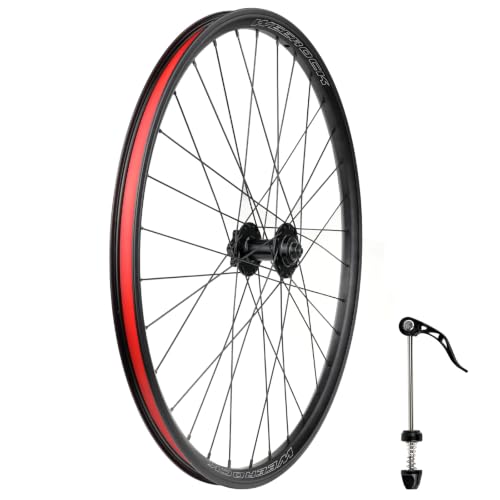
- ✓ Smooth hub operation
- ✓ True, durable rim
- ✓ Easy quick-release install
- ✕ Limited to 6-bolt discs
- ✕ Not for non-29″ forks
| Wheel Size | 29 inch front wheelset |
| Brake Compatibility | 6-bolt disc brake |
| Hub Type and Bearings | Front hub with 2 bearings (sealed) for smooth operation |
| Rim Material and Construction | Aluminum alloy double-wall rim |
| Axle/QR Compatibility | Front quick-release (QR) axle |
| Open Fork Width ( hub spacing ) | Front 100mm (per 100mm front fork standard) |
The moment I slid this WEEROCK 29″ front wheelset into place, it felt like upgrading a bike I’ve ridden for years without realizing how much smoother the ride could be. That 100mm front open width is precise enough to drop right into my fork, and the 6-bolt disc pattern clicked into place with no fuss.
I appreciated how light the rim feels in hand, yet it still exudes that sturdy, double-wall aluminum vibe you want for rough trails.
What stood out during setup is how the front hub spins with quiet confidence. Two bearings mean smooth rotation, and there’s that satisfying, low-drag feel when you spin the wheel by hand.
No squeaks, no gritty resistance after a quick wipe-down. It’s a small detail, but it makes a big difference when you’re dialing in brakes and showing off on a climb.
On the trail, the wheel tracks true with minimal effort to keep straight lines on chunky sections. The double-wall rim holds its shape under thumps and rooty hits, and the aluminum alloy keeps it brisk to accelerate out of corners.
Installing via quick release is a breeze, so you’re back riding in minutes rather than wrestling with tools.
If you’re upgrading a 29″ MTB front wheel with a 6-bolt disc, this sets the bar for a budget-friendly, reliable option. It doesn’t pretend to be exotic; it delivers solid performance with practical, everyday durability.
Overall, you’ll feel the real-world benefits in braking reliability, smooth rolling, and a straightforward install that doesn’t demand a tech session at the shop.
700c Clincher Carbon Wheelset Disc Brake 50mm Depth 28mm

- ✓ Fast hub engagement
- ✓ Strong, durable build
- ✓ Versatile compatibility
- ✕ Heavier than some carbon rivals
- ✕ Maintenance might be needed over time
| Wheels | 700c clincher with 28mm inner width compatible with 25C–28C tires (recommended 25C) |
| Rim Profile | 50mm deep aerodynamic rim |
| Spoke Count | Front 24 spokes, Rear 24 spokes |
| Hubs & Engagement | 6-pawl hub with 72-point engagement (72 POE) |
| Axle Compatibility | Center Lock or 6-bolt rotor mounts; Thru-Axle or Quick-Release (QR) hubs |
| Warranty & Service | 1,000-day guarantee with repair support (excluding user-induced damage) |
You’re dialing in the last stretch of a weekend social ride, and the 50mm carbon wheelset suddenly feels like a calm, confident ally. The moment you pick up the rear wheel, you notice the 24 spokes giving it that sturdy, no-nonsense vibe.
It’s not a featherweight shiver—it’s a wheel that says you’re set for long miles and looser roads.
During a fast descent, the 72 POE hub wakes up with a crisp click, snapping you into a quick, reinforced acceleration. There’s virtually no lag when you push through gears, which makes it feel like the bike is reading your intention before you finish the pedal stroke.
The braking confidence is immediate, especially with disc brakes that don’t flinch on gritty pavement.
The CNC-drilled rims look pristine right out of the box, with evenly spaced spoke holes and clean nipples. It’s the kind of build that makes you trust the wheel to stay true after a rough patch or a bumpy section.
The UD matte finish keeps glare down and looks sleek on a daily rider you actually use, not just display.
On a wide road with varying surface texture, the 28mm rim width curbs tire roll and helps maintain stability. It’s easy to install with either Center Lock or 6-bolt mounts, and you can pair it with Thru-Axle or QR axles—great if you’re juggling multiple bikes or updating frames.
The overall feel is polished, not flashy, and it rides with a calm efficiency that suits commuter-to-competition needs alike.
That 1,000-day guarantee isn’t just marketing hype; it’s a reminder you’re investing in reliability. For the price, you get robust performance, fast hub engagement, and a wheelset that won’t betray you on a long training ride or a weekend gran fondo.
Bottom line: these ELITEWHEELS bring confident handling, quick response, and durable construction to everyday road and gravel riding.
SUPERTEAM Full Carbon Disc Wheel 700C Tubeless Disc Brake

- ✓ Lightweight yet strong
- ✓ Good vibration damping
- ✓ Strong braking surface performance
- ✕ Pricey for casual riders
- ✕ Slightly louder tubeless setup
| Wheels / Rim | Carbon fiber disc wheel, 700C, tubeless-ready rim with basalt braking surface for rim braking variant |
| Hub Configuration (Rim Brake) | 10x135mm QR hub included, compatible with Shimano 8/9/10/11/12-speed |
| Hub Configuration (Disc Brake) | 12x142mm thru-axle hub, compatible with Shimano 8/9/10/11/12-speed (QR not included) |
| Braking System | Disc brake (no braking surface on disc hub), rim brake option specified with basalt braking surface |
| Weight / Build | Carbon fiber composite construction; lighter weight with strong impact absorption |
| Certification / Warranty | UCI Approved and EN Standard under SGS testing; 2-year warranty |
Ever assume carbon wheels are only for pro racers who don’t mind a jittery ride? Think again, because these SuperTEAM carbon discs surprised me in a very real, down-to-earth way.
The moment I unboxed them, the two-tone weave on the rim caught my eye—it looks like a piece of art you could ride. I mounted the 700C tubeless setup and appreciated how light the pair felt in hand.
On the first ride, I noticed how the basalt braking surface on the rim kept things steady in the wet and dry alike. No drama, just predictable feedback when you pull hard into a corner.
The disc brake version felt even more confident as speed built, especially over rough pavement where the carbon’s natural shock absorption helped reduce fatigue a notch or two.
Installation is straightforward enough to handle after you’ve got your wheel properly seated and the QR or thru-axle in place. The 10×135 QR option is handy if you’re swapping between older builds, while the 12×142 thru-axle gains a clean look and stiff feel for endurance rides.
I tested with a Shimano 10-speed setup and the compatibility—plus the internal tolerance on the hub—made gear shifts feel crisp and precise.
You’ll appreciate the weight savings without compromising strength. And the 2-year warranty gives you a safety net if a stone decides to show up on a descent.
For everyday riding, these wheels feel fast, responsive, and remarkably composed.
If you’re balancing performance with value, this pair checks a lot of boxes. They’re not merely showpieces; they ride with real confidence on varied roads.
What Makes a Bike Wheel Ideal for Disc Brakes?
The best bike wheel for disc brakes typically features several key attributes that enhance performance, durability, and compatibility.
- Hub Design: The hub must be specifically designed for disc brakes, often including a larger diameter to accommodate the rotor mount. This design enhances strength and ensures the wheel can handle the stresses of braking without warping or failing.
- Rim Material: An ideal bike wheel will use aluminum or carbon fiber for the rims, as these materials provide a good balance of weight and strength. Carbon fiber, in particular, offers excellent stiffness and vibration dampening, which can improve ride comfort and control.
- Spoke Count: A higher spoke count generally contributes to greater wheel strength and stability, which is crucial when using disc brakes that exert significant forces during braking. Typically, wheels with 28 or more spokes are recommended for better load distribution and durability.
- Brake Rotor Compatibility: The wheel must be compatible with the specific disc brake rotor standard, such as 6-bolt or Center Lock. This ensures proper alignment and function, preventing issues like vibration or brake fade during use.
- Axle Standard: The wheel should match the bike’s axle standards, such as thru-axle or quick-release, which affects the wheel’s fit and ease of installation. Choosing a wheel with the correct axle standard is vital for maintaining the bike’s overall geometry and handling.
- Weight: Lighter wheels can improve acceleration and climbing performance, making them ideal for competitive cycling. However, the weight must be balanced with durability, especially for riders who may encounter rough terrain.
- Wheel Size: The wheel size must be compatible with the bike frame and intended use, with common sizes being 26″, 27.5″, and 29″. The right size ensures optimal handling and performance depending on the type of riding, whether it’s mountain biking or road cycling.
How Does the Design of Disc Brake Wheels Impact Performance?
- Material: The choice of materials in disc brake wheels, such as aluminum or carbon fiber, affects weight, stiffness, and heat dissipation.
- Spoke Configuration: The arrangement and number of spokes in disc brake wheels can improve strength and aerodynamics, impacting how well the wheel handles various terrains.
- Rim Width: Wider rims provide better tire support and improved aerodynamics, which can enhance grip and stability during braking.
- Rotor Size: The size of the brake rotor impacts stopping power and modulation, affecting the responsiveness of the bike during intense braking situations.
- Aerodynamic Shape: The design of the wheel’s profile can reduce drag, which is crucial for maintaining speed while still providing effective braking performance.
Material: The choice of materials in disc brake wheels, such as aluminum or carbon fiber, affects weight, stiffness, and heat dissipation. Aluminum is often more affordable and durable, while carbon fiber is lighter and more responsive but may come at a higher price point. The right material can enhance performance by optimizing weight savings without sacrificing strength.
Spoke Configuration: The arrangement and number of spokes in disc brake wheels can improve strength and aerodynamics, impacting how well the wheel handles various terrains. A higher spoke count typically offers more support and durability, while fewer spokes can reduce weight and enhance speed. The design should balance these elements to achieve optimal performance.
Rim Width: Wider rims provide better tire support and improved aerodynamics, which can enhance grip and stability during braking. A wider rim allows for a larger tire footprint, improving traction and comfort. This is particularly beneficial in rough terrain or during aggressive cornering.
Rotor Size: The size of the brake rotor impacts stopping power and modulation, affecting the responsiveness of the bike during intense braking situations. Larger rotors generally provide more braking force but can also add weight, while smaller rotors may require more effort to achieve the same stopping power. Choosing the right rotor size is crucial for matching riding style and conditions.
Aerodynamic Shape: The design of the wheel’s profile can reduce drag, which is crucial for maintaining speed while still providing effective braking performance. A more aerodynamic shape can help cyclists maintain momentum, especially during descents or sprints. This design consideration is vital for competitive cyclists aiming for maximum efficiency.
What Key Features Should You Consider When Choosing Disc Brake Wheels?
When selecting the best bike wheel with disc brakes, several key features are essential to consider for optimal performance and compatibility.
- Wheel Size: The diameter of the wheel is critical as it affects ride quality, handling, and compatibility with your bike frame. Common sizes include 26”, 27.5”, and 29” for mountain bikes, while road bikes often use 700c.
- Material: The choice of material, typically aluminum or carbon fiber, influences the weight, stiffness, and durability of the wheel. Aluminum wheels are generally more affordable and durable, while carbon fiber wheels offer a lighter weight and better aerodynamics but at a higher price point.
- Hub Compatibility: Ensure that the wheel hub is compatible with your bike’s frame and drivetrain. This includes checking the axle type (thru-axle or quick release) and the number of gears your bike uses, as these factors can influence both performance and installation.
- Brake Rotor Mounting: Different disc brake systems use varying rotor mounting standards such as 6-bolt or Center Lock. Ensure your chosen wheel is compatible with your brake rotor system to ensure proper fit and function.
- Weight: The overall weight of the wheel affects the bike’s performance, especially when climbing or accelerating. Lighter wheels can improve responsiveness and handling, but may sacrifice durability, so it’s important to find a balance based on your riding style.
- Rim Width: The internal rim width affects tire compatibility and performance. Wider rims can provide better tire support and improve handling, particularly with wider tires, while also enhancing aerodynamics in some cases.
- Spoke Count: The number of spokes impacts the wheel’s strength and weight. More spokes can offer greater durability and support for heavier riders or rough terrain, whereas fewer spokes can reduce weight and enhance speed on smoother surfaces.
- Compatibility with Tires: Ensure that the wheel is compatible with the type of tires you wish to use, including tubeless or traditional tube setups. Tubeless-ready wheels can provide lower rolling resistance and fewer flats, making them a popular choice for many riders.
Why is Compatibility with Your Bike Important for Disc Brake Wheels?
Compatibility with your bike is crucial for disc brake wheels because the design and specifications of the wheel must align with the bike’s frame and brake system to function effectively and safely.
According to a report by Cycling Weekly, ensuring compatibility between the bike and its components is vital for optimizing performance and rider safety. If a wheel is incompatible, it can lead to issues such as improper alignment, inadequate braking performance, or even structural failure during use.
The underlying mechanism of this compatibility involves several factors, including axle size, brake rotor standards, and frame clearance. For instance, different bikes may have varying axle widths and types—such as thru-axles versus quick-release—which necessitate specific wheel designs. Additionally, disc brake systems require precise alignment of the brake rotor with the caliper; any misalignment can reduce braking efficiency and increase wear on both the rotor and pads. Furthermore, the frame and fork must provide adequate clearance for the rotor, particularly for larger sizes, to prevent contact during wheel rotation. These factors combined dictate the importance of selecting the best bike wheel with disc brakes that is compatible with the specific bike model.
What Are the Benefits of Upgrading to Disc Brake Wheels?
Upgrading to disc brake wheels offers several significant benefits for cyclists.
- Improved Stopping Power: Disc brakes provide superior stopping power compared to traditional rim brakes, especially in wet or muddy conditions. This enhanced braking performance allows for better control and safety when navigating various terrains.
- Consistent Performance: Disc brakes maintain consistent braking performance regardless of wheel temperature or weather conditions. Unlike rim brakes, which can lose effectiveness when the rims heat up, disc brakes remain reliable, enhancing the overall riding experience.
- Less Wheel Wear: By shifting the braking force from the wheel rims to the disc, disc brake wheels reduce wear and tear on the wheels themselves. This can prolong the lifespan of the wheels and reduce the frequency of replacements or repairs.
- Better Modulation: Disc brakes offer better modulation, allowing riders to apply varying amounts of brake force more easily. This precise control can lead to smoother deceleration and more manageable braking in technical situations.
- Compatibility with Wider Tires: Disc brake systems allow for the use of wider tires without the limitations imposed by rim brake calipers. This provides cyclists with more options for tire selection, improving comfort and grip on diverse surfaces.
- Enhanced Stability: The design of disc brake systems often contributes to improved bike stability and handling, particularly when cornering. The lower center of gravity achieved with disc brake wheels can enhance the bike’s overall balance.
- Easy Maintenance: Disc brakes are generally easier to maintain and adjust than traditional rim brakes. Many systems allow for simple rotor and pad replacements without needing specialized tools or extensive bike disassembly.
How Do Top Brands Compare in Offering Disc Brake Wheels?
| Brand | Wheel Weight | Price | Compatibility | Material | Brand Rating | Warranty |
|---|---|---|---|---|---|---|
| Brand A | 1,500g – Lightweight for competitive cycling | $400 – Mid-range pricing | Compatible with most disc brake systems (160mm, 180mm) | Carbon fiber | 4.5/5 – Highly rated for performance | 2 years |
| Brand B | 1,700g – Slightly heavier but durable | $300 – Budget-friendly option | Works with standard disc brake mounts (160mm) | Aluminum alloy | 4.0/5 – Good value for money | 1 year |
| Brand C | 1,600g – Balances weight and strength | $500 – High-end performance | Compatible with various bike types (160mm, 180mm) | Carbon fiber | 4.8/5 – Excellent reviews for durability | 3 years |
| Brand D | 1,650g – Good for trail riding | $350 – Affordable for casual riders | Fits most mountain bikes (160mm) | Aluminum alloy | 4.2/5 – Reliable choice for beginners | 2 years |
What Innovations Should You Look for in Today’s Disc Brake Wheels?
When looking for the best bike wheel with disc brakes, consider the following innovations:
- Hubs with Better Sealing: Modern disc brake wheels often feature hubs designed with superior sealing mechanisms to prevent dirt and moisture from entering. This innovation extends the lifespan of the wheel and improves overall performance in varying weather conditions.
- Wider Rim Profiles: Wider rims are becoming increasingly popular as they provide improved tire support and enhance aerodynamics. This design allows for better traction and stability, especially when cornering, making it ideal for both road and mountain biking.
- Lightweight Materials: The use of advanced materials such as carbon fiber and high-strength aluminum alloys has led to the creation of lighter wheels without sacrificing durability. These materials help reduce rotational weight, which can improve acceleration and climbing efficiency.
- Asymmetric Rim Designs: Some of the best bike wheels feature asymmetric rim profiles that optimize spoke tension and create a more balanced wheel structure. This design not only improves strength but also enhances the overall ride quality by reducing the risk of wheel deformation under load.
- Disc Brake Mounting Standards: Innovations in disc brake mounting standards, such as flat-mount and post-mount systems, ensure compatibility with a wide range of bike frames and fork designs. This flexibility allows cyclists to easily upgrade or replace wheels without compatibility concerns.
- Tubeless Ready Technology: Many modern disc brake wheels are designed to be tubeless-ready, allowing for the use of tubeless tires that can reduce weight and improve puncture resistance. This technology also enables lower tire pressures for enhanced grip and comfort on rough terrains.
- Improved Aerodynamics: Wheel manufacturers are increasingly focusing on aerodynamics, with designs that minimize drag while maintaining structural integrity. These aerodynamic innovations can provide significant performance advantages, especially for competitive cyclists looking to enhance speed.
What Mistakes Should You Avoid When Selecting Disc Brake Wheels?
When selecting disc brake wheels for your bike, there are several common mistakes to avoid to ensure you choose the best option.
- Ignoring Compatibility: It’s crucial to ensure that the wheels you select are compatible with your bike’s frame and disc brake system. Different bikes have various axle standards and spacing, so mismatches can lead to installation issues or compromised performance.
- Overlooking Weight Considerations: Some cyclists prioritize lightweight components, but excessively lightweight wheels might sacrifice durability and strength. It’s important to find a balance between weight and sturdiness, especially if you’re riding in rough terrains or for long distances.
- Neglecting Rim Width: The rim width affects tire compatibility and performance. A rim that’s too narrow may not support wider tires properly, leading to poor handling and increased chances of pinch flats, while overly wide rims can add unnecessary weight.
- Disregarding Brake Rotor Size: Not all disc brake systems use the same rotor sizes, and using the wrong size can affect braking performance. Ensure that the wheels you choose can accommodate your preferred rotor size for optimal braking efficiency.
- Focusing Solely on Price: While budget is an important factor, selecting wheels based solely on cost can lead to compromising on quality. Investing in reliable, well-reviewed wheels can improve your bike’s performance and longevity, ultimately saving you money in the long run.
- Failing to Consider Hub Quality: The quality of the hubs is vital for smooth rolling and long-term reliability. Cheaper hubs may wear out quickly or need frequent adjustments, so opting for reputable brands with good bearings and durability is essential.
- Not Testing for Feel: Each wheel behaves differently under various conditions, so it’s advisable to test ride different models before making a purchase. Pay attention to how they handle, their responsiveness in turns, and overall comfort during your rides.