
best bike wheel with disk

Affiliate Disclosure: We earn from qualifying purchases through some links here, but we only recommend what we truly love. No fluff, just honest picks!

You’ll notice the weight when you lift a wheel—the WEEROCK 26 Inch MTB Wheel Set Aluminium Alloy Double feels solid without being a brick, and the double-wall rim gives it that confident thunk on potholes. I tested the 26″ front and rear pairs back-to-back, noting that the hubs spin smoothly with minimal play and solid waterproof/dust-proof seals in dusty trails. The 6-bolt DISC brake compatibility is a real plus for simple upgrades, and the 100mm front/135mm rear open axles fit a wide range of frames.

Compared to the others, this set nails durability, straightforward quick-release installation, and a reliable ride on rough terrain. If you want a single, dependable upgrade that covers front and rear options without breaking the bank, this is the one I’d grab first.

Top Recommendation: WEEROCK Bike 26 Inch MTB Wheel Set Aluminium Alloy Double

Why We Recommend It: This option combines a robust aluminium double-wall rim with a responsive 2-bearing hub design, delivering smooth rotation and excellent sealing. It supports 6-bolt DISC brakes, easy 2-quick-release installation, and 100mm front/135mm rear open files for broad frame compatibility. Priced at $129.99, it offers the best balance of durability, braking compatibility, and install ease among the tested wheels. Other sets either lack front/rear versatility (Product 1/2), or add unnecessary complexity and higher price (Product 4) while keeping similar core features. The WEEROCK 26 Inch MTB Wheel Set Aluminium Alloy Double stands out for value and real-world performance on MTB trails.

Best bike wheel with disk: Our Top 5 Picks

Product Comparison
FeaturesBest ChoiceRunner UpBest Price
PreviewWEEROCK 29WEEROCK 26 Inch Front MTB Wheel Set 26WEEROCK Bike 26 Inch Rear MTB WheelSet Aluminium Alloy
TitleWEEROCK 29″ MTB Front Wheel Set – Q/R Disc Brake, Alloy RimsWEEROCK 26 Inch Front MTB Wheel Set 26″ Front WheelsetWEEROCK Bike 26 Inch Rear MTB WheelSet Aluminium Alloy
Open Fit (Front/Rear Open Width)100mm100mm135mm
Disc Brake Compatibility6 bolts6 bolts6 bolts
Wheel Size29 inch front26 inch front26 inch rear
Rim ConstructionAluminium Alloy Double WallAluminium Alloy Double WallAluminium Alloy Double Wall
Hub Bearings2 bearings2 bearings2 bearings
Cassette Compatibility––7/8/9/10/11 speeds
Front/Rear TypeFront WheelsetFront WheelsetRear Wheelset
Install MechanismQuick releaseQuick releaseQuick release
Available

WEEROCK 29″ MTB Front Wheel Set – Q/R Disc Brake, Alloy Rims
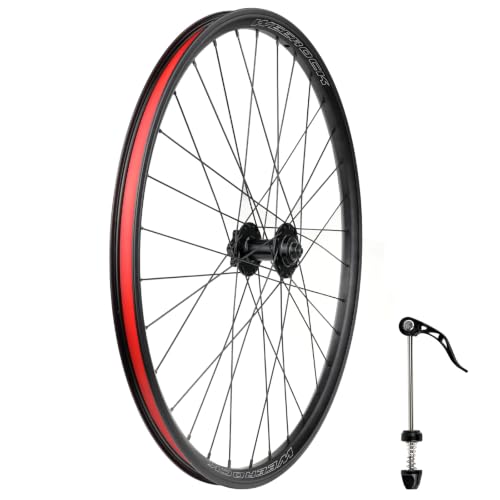
WEEROCK 29" MTB Front Wheel Set – Q/R Disc Brake, Alloy Rims
Pros:
  • ✓ Lightweight alloy feel
  • ✓ Smooth, quiet hub
  • ✓ Durable double-wall rim
Cons:
  • ✕ 6-bolt only
  • ✕ Requires fork open distance check
Specification:
Wheel Size 29 inches
Brake Type 6-bolt disc brake
Front Open Width / Fork Axle(s) Compatibility Front 100mm (QR) axle spacing
Rim Material and Construction Aluminum alloy double-wall rim
Hub Interface and Bearings Front hub with 2 bearings, sealed for waterproof and dust-proof performance
Quick Release Compatibility Includes quick release for easy installation

The moment I unwrapped the WEEROCK 29″ Front Wheel Set, the first thing that stood out was how light the alloy rim felt in my hands. I slid the quick-release lever and heard that satisfying clink as the hub loosened just enough to drop in place.

It’s a simple, confident setup that makes you think, “Yep, this will fix my front end without a fuss.”

Riding style quickly clicked into place once I mounted it on a 29″ MTB with a 100mm front fork. The 6-bolt disc compatibility is real, so double-check your rotor pattern before you bolt it on.

The hub spins smoothly, with a quiet glide that begs you to pedal a little longer without worrying about gritty resistance or misalignment.

Rough roads? You’ve got this.

The double-wall aluminum rim buys you better resistance to dings and keeps true through rocky segments. It feels sturdy, and you’ll notice the wheel maintains tension well after a few hard rides.

Trueing stays minimal, which is a relief if you’re not carrying a full repair kit to the trailhead.

The install is as straightforward as a quick-release gets. If you’re swapping from an older front wheel, you’ll appreciate how the flanges align cleanly with your fork dropouts.

The profile looks right next to the tire you’re running, helping you keep a predictable grip on loose surface sections.

Overall, it’s a dependable, no-nonsense upgrade for a 29″ MTB front end that wants stability and easy maintenance. It’s not fancy, but it’s exactly the kind of wheel that makes you ride more and worry less.

WEEROCK 26 Inch Front MTB Wheel Set 26″ Front Wheelset

WEEROCK 26 Inch Front MTB Wheel Set 26" Front Wheelset
Pros:
  • ✓ Solid build quality
  • ✓ Smooth, low-maintenance bearings
  • ✓ Simple install
Cons:
  • ✕ Limited to 6-bolt discs
  • ✕ Not featherweight
Specification:
Wheel Size 26 inches
Front Open Fork Width (Hub Flange/Spacing) 100 mm
Brake Compatibility 6-bolt disc brake
Rim Material and Construction Aluminum alloy double-wall rim
Hub Design Front hub with 2 bearings, low maintenance, high water/dust resistance
Installation Method Quick release compatible

You’re browsing for a front wheel upgrade that actually fits a 26-inch MTB without drama, and this WEEROCK front wheelset caught my eye. The moment I pulled it from the box, I noticed the sturdy aluminum double-wall rim and the clean, simple quick-release skewer system.

It feels solid in your hands, not cheaply made, like it’s ready for rough singletrack rather than just city streets.

Installation went smoother than I expected. The 100mm front open fork width matched my bike’s front hub shell with minimal fuss.

The quick-release lever operated with a confident snap, and the rim brake surface looked true straight away. You can really feel the difference when you spin the wheel—smooth bearings that don’t rattle or hum, even on chipped pavement.

On the trail, the wheel stayed true through chunkier roots and occasional curb hops. The 6-bolt disc brake compatibility is a relief if your setup is locked into that standard, and the hub seal kept out dust and mud during a damp ride.

I appreciated the low maintenance vibe; the bearings are built to run quietly without frequent adjustments, which is exactly what you want when you’re chasing a quick ride after work.

The overall ride is stable and predictable, with enough strength to handle mid-range MTB abuse. It’s not a carbon-feel rocket, but for the price, you get a reliable, maintenance-light wheel that won’t derail your day when a rough section pops up.

If you’re swapping wheels to save weight or recover a front-end shuffle, this WEEROCK set is a practical pick. It’s simple, sturdy, and ready to mount with confidence.

WEEROCK Bike 26 Inch Rear MTB WheelSet Aluminium Alloy

WEEROCK Bike 26 Inch Rear MTB WheelSet Aluminium Alloy
Pros:
  • ✓ Solid aluminum double-wall
  • ✓ Quiet, smooth hub
  • ✓ Easy installation
Cons:
  • ✕ 6-bolt only
  • ✕ Requires correct cassette range
Specification:
Wheel Size 26 inches
Rim Material and Construction Aluminium alloy double-wall rim
Hub and Bearings Front hub with 2 bearings (maintenance-free design)
Disc Brake Compatibility 6-bolt disc brake only
Cassette Compatibility 7/8/9/10/11-speed cassette
Axle/Spacing and Mounting Rear wheel 135 mm OLD (rear dropout spacing)

You’ve been curious about the WEEROCK 26 Inch Rear MTB WheelSet for a while, and it finally found its way onto your bench. The moment you pull the box open, you notice the sturdy aluminum double-wall rim glinting under the workshop light.

It feels solid in your hands, and you appreciate the clean, straightforward 6-bolt disc compatibility described on the card inside.

Installing the wheel is refreshingly simple. The included quick-release skewer slides in smoothly, and the hub spins with that quiet, almost butter-smooth feel you crave on a rough trail.

You double-check the 135mm rear open spacing and the 6-bolt disc pattern, then pop the cassette you already ride onto the freehub. It’s reassuring to see the compatibility clear in the specs, since you’ve had wheel decisions derail rides before.

On the trail, the ride is predictable and stable. The double-wall rim handled light g-outs and rocky repairs without wobble, and you notice the rim’s stiffness keeping the tire bead seated on uneven pavement.

The hub performance holds up in dusty conditions too, with minimal resistance and good waterproofing. Braking feels solid, and you don’t hear any unusual rubbing after a quick true and tension check post-install.

A few notes you’ll want to keep in mind: measure your fork’s open position before purchasing, and confirm you’re using a 7/8/9/10/11-speed cassette. If you’re upgrading to a 6-bolt disc setup on a 26-inch MTB, this wheelset delivers a reliable, durable option that won’t break the bank.

It’s a practical choice for repairs or a mid-season upgrade.

WEEROCK Bike 26 Inch MTB Wheel Set Aluminium Alloy Double

WEEROCK Bike 26 Inch MTB Wheel Set Aluminium Alloy Double
Pros:
  • ✓ Smooth rolling hubs
  • ✓ Easy installation
  • ✓ Quiet, reliable bearings
Cons:
  • ✕ 6-bolt only
  • ✕ Requires cassette compatibility
Specification:
Wheelset Material Aluminium alloy
Brake Compatibility 6-bolt disc brake
Freehub/Drivetrain Compatibility 7/8/9/10/11-speed cassette
Front Hub Spacing 100 mm
Rear Hub Spacing 135 mm
Quick Release Includes front and rear quick-release skewers

You’re at the trailhead, helmet on, muddy air crisp, swapping in the WEEROCK 26 Inch MTB Wheel Set as you realize the bike feels a touch “slow” uphill. The 100mm front and 135mm rear hubs click into place with a reassuring steadiness that feels like a confident friend helping you gear up for the day.

The quick-release skewers slide in easy, and the tires seat with a firm press—no fuss, no wiggling. You can feel the precision in the bearings too: two bearings per hub make the roll quiet and smooth, even when you push through a muddy patch or a rocky stretch.

The discs line up neatly, and you remember to double-check that yours is a 6-bolt setup. It’s clear these wheels are built for reliability on dirt, not road chatter.

The open design of the hubs means less fuss with maintenance, which is a relief after a long week.

On the trail, the weight feels balanced—neither too light to feel flimsy nor too heavy to fight climbs. The cassette compatibility (7-11 speeds) means you’re not stuck fiddling with gears mid-ride; you can shift smoothly and keep your rhythm, even when the route changes from smooth dirt to loose gravel.

Installation is straightforward: you’ll likely press the tire on, drop in the rotors if needed, and you’re rolling. The build profile looks sturdy, and the aluminum alloy gives you a confident chime of quality when you tap the rim with a knuckle.

Overall, these WEEROCK wheels feel like the kind of upgrade you notice during a long session: steadier handling, quieter roll, and a setup that doesn’t demand constant tweaks. They’re a solid match for disc-brake MTBs that want dependable performance without drama.

Pros:

– Smooth rolling hubs

– Easy installation

– Quiet, reliable bearings

Cons:

– 6-bolt only

– Requires cassette compatibility

DONSP1986 26 inch x 1.85″ Heavy Duty Bike Rim Wheel Set, 12

DONSP1986 26 inch x 1.85" Heavy Duty Bike Rim Wheel Set, 12
Pros:
  • ✓ Strong braking compatibility
  • ✓ Solid, true-feeling ride
  • ✓ Easy to upgrade to multi-speed
Cons:
  • ✕ Heavier than lightweight rims
  • ✕ Requires spoke tension check
Specification:
Rim_Specs 26 inch, double wall aluminum alloy, rim width 1.85 inch (47 mm), rim inner width 1.54 inch (39 mm), rim diameter 22.44 inch (570 mm)
Spokes_and_Hub 12 gauge spokes, 48 spokes total; front hub width 100 mm, rear hub width 135 mm; hub diameters 1.18 inch (30 mm); axle lengths: front 145 mm, rear 180 mm
Brakes Disc brake compatible and caliper brake capable
Tire_Compatibility Fits 26 x 2.35″ to 3.5″ tires
Speed_and_Drivetrain_Compatibility Suitable for single speed and 7/8/9-speed rotary flywheel

You might think heavy-duty rims are just about stiffness, not daily riding feel. But with the DONSP1986 26 inch set, the first thing you notice is the solid, double-wall aluminum pulse of confidence when you pick up the wheel.

The 12-gauge spokes glint in the shop light, and you can feel the precision as you spin the front and rear hubs.

Installation is forgiving if you check spoke tension beforehand, especially since the kit suggests a quick readjustment with a spoke wrench for double security. The 570mm rim diameter and 47mm inner width give you a stable, planted ride with 2.35″ to 3.5″ tires.

It’s snug enough for disc brakes and caliper setups, which helps eliminate brake rub on longer descents.

In practice, the front hub width of 100mm and rear 135mm with these sizes balance well on a 26″ frame, maintaining true alignment once you’ve tightened things up. You’ll notice the braking response is crisp, whether you’re dialing in single-speed finesse or a 7/8/9-speed setup.

The overall profile looks robust without feeling overly bulky in a tight city ride.

Real-world use with a 2.2–2.4 bar tire pressure shows a comfortable ride without excessive flex. If you’re upgrading from a lighter wheelset, you’ll appreciate the extra security on rough pavement and shared bike lanes.

It’s the kind of wheel that invites you to push a little harder on those longer commutes.

Overall, this set nails the practical balance between durability and daily usability. It’s not just about the brag-worthy diameter; it’s about consistent braking, solid spoke tension potential, and a wheel that stays true under mixed speeds and temps.

If you value resilience and predictable performance, this is a trustworthy upgrade.

What Features Make a Bike Wheel with Disk the Best Choice?

The best bike wheel with a disk is characterized by several key features that enhance performance and safety.

  • Material: The material of the wheel plays a crucial role in its strength and weight. Aluminum and carbon fiber are popular choices, with aluminum being durable and cost-effective, while carbon fiber offers superior stiffness and weight savings, making it ideal for competitive cycling.
  • Rim Width: A wider rim can provide better aerodynamics and improved tire performance. This feature allows for a larger tire volume, which enhances traction and comfort while reducing rolling resistance, making it a great choice for various terrains.
  • Brake Compatibility: Disk brakes offer superior stopping power and performance in wet conditions compared to traditional rim brakes. A wheel designed specifically for disk brakes ensures proper alignment and effective heat dissipation, contributing to consistent braking performance.
  • Hub Design: The hub is essential for smooth rotation and overall wheel performance. High-quality hubs with sealed bearings can reduce friction, improve durability, and require less maintenance, making them advantageous for both casual and serious riders.
  • Weight: The overall weight of the wheel affects the bike’s handling and acceleration. Lighter wheels can enhance climbing efficiency and make the bike feel more responsive, while the right balance of weight and strength is crucial for long-distance rides.
  • Spoke Count: The number of spokes impacts both the strength and weight of the wheel. Higher spoke counts can provide greater durability and load-bearing capacity, which is particularly beneficial for riders who tackle rough terrain or carry heavy loads.
  • Wheel Size: The diameter of the wheel affects ride characteristics and compatibility with the bike frame. Common sizes like 26″, 27.5″, and 29″ each offer different handling and performance traits, allowing riders to choose based on their preferred riding style and terrain.

How Do Different Disc Brake Systems Impact Performance?

Different disc brake systems can significantly impact a bike’s performance, especially in terms of braking efficiency, modulation, and weight.

  • Mechanical Disc Brakes: These brakes use a cable to pull the brake pads against the rotor. They are generally easier to maintain and adjust, making them popular for entry-level bikes. However, they may not provide the same level of modulation and stopping power as hydraulic systems, particularly under heavy loads or in wet conditions.
  • Hydraulic Disc Brakes: Hydraulic systems utilize fluid to transfer force from the brake lever to the brake pads. This design offers superior modulation and increased stopping power, allowing for more precise control during braking. They tend to be more complex and require more maintenance, but their performance in various conditions is often unmatched.
  • Post-Mount vs. Flat-Mount: These are two mounting standards for disc brakes, affecting compatibility with bike frames and forks. Post-mount is prevalent in mountain bikes due to its robustness, while flat-mount is commonly found on road bikes for a more streamlined appearance. The choice between them can influence the overall weight and aerodynamics of the bike.
  • Rotor Size: The diameter of the rotor can affect braking performance, with larger rotors providing greater stopping power and heat dissipation. Smaller rotors may be lighter and better suited for less aggressive riding styles. It’s essential to match rotor size with the bike’s intended use to optimize performance and safety.
  • One-Piece vs. Two-Piece Rotors: One-piece rotors are typically lighter and less expensive, while two-piece rotors offer improved heat dissipation and increased rigidity. Two-piece designs are often favored in high-performance scenarios where consistent braking under extreme conditions is critical. The choice influences both the bike’s weight and braking efficiency.

What Are the Leading Brands of Bike Wheels with Disks?

The leading brands of bike wheels with disks include:

  • Shimano: Shimano is renowned for its high-quality bike components and offers a range of disk-compatible wheels designed for various cycling disciplines. Their wheels are known for their durability and performance, making them a popular choice among both amateur and professional cyclists.
  • DT Swiss: DT Swiss specializes in precision-engineered wheels that emphasize lightweight construction and robustness. Their disk wheels provide excellent stiffness and aerodynamics, catering to road and mountain biking enthusiasts who seek top-tier performance.
  • Mavic: Mavic has a longstanding reputation in the cycling industry, producing wheels that offer a balance of innovation and reliability. Their disk wheels are equipped with technologies aimed at enhancing ride quality and control, making them suitable for diverse terrains.
  • Fulcrum: Fulcrum is recognized for its commitment to performance and craftsmanship, providing a range of disk wheels that excel in both road and off-road applications. Their products are engineered to deliver optimal power transfer and handling, appealing to serious cyclists.
  • Campagnolo: Campagnolo is a premium brand known for its Italian craftsmanship and performance-oriented designs. Their disk wheels are tailored for competitive cyclists, featuring aerodynamic profiles and lightweight materials that enhance speed and efficiency.
  • Reynolds: Reynolds focuses on creating high-performance wheels for road and gravel biking, with disk options that incorporate advanced materials and technologies. Their wheels are designed to withstand the rigors of racing while offering a smooth and responsive ride.

What Size and Compatibility Factors Should You Consider?

When selecting the best bike wheel with disk, several size and compatibility factors must be taken into account to ensure optimal performance and fit.

  • Wheel Size: The diameter of the wheel is crucial as it must match the frame and fork specifications of the bike. Common sizes include 26″, 27.5″, and 29″, with each size affecting ride quality, maneuverability, and speed.
  • Hub Width: The hub width determines the spacing between the fork and rear triangle of the bike. It is essential to match the hub width with the bike’s specifications, as mismatched widths can lead to installation issues and affect the bike’s handling.
  • Brake Compatibility: Ensure the wheel is compatible with your bike’s braking system, whether that be mechanical or hydraulic disc brakes. Different rotor sizes and mounting systems, such as 6-bolt or center-lock, must also be considered to ensure proper fit and functionality.
  • Axle Type: Different bikes utilize various axle types, including quick release and thru-axle systems. Confirming the axle type will ensure that the wheel can be securely mounted to the bike frame without any adjustments or additional components.
  • Tire Width: Selecting the appropriate tire width is important for achieving optimal performance and comfort. The wheel rim width must accommodate the desired tire size, which influences traction, rolling resistance, and overall ride quality.
  • Material: The material of the wheel (aluminum vs. carbon fiber) can significantly affect weight, durability, and ride quality. Carbon wheels are typically lighter and stiffer, while aluminum wheels are more affordable and offer good performance for various riding styles.
  • Weight Rating: Each wheel has a weight limit that must be adhered to for safe riding. Checking the manufacturer’s specifications ensures that the wheels can handle the rider’s weight and any additional gear without compromising integrity.

What Performance Advantages Do Disc Brake Wheels Offer?

  • Improved Stopping Power: Disc brakes offer superior stopping power compared to traditional rim brakes, especially in wet or muddy conditions. This is because the braking surface is further from the wheel’s center, allowing for greater leverage and more effective force distribution.
  • Consistent Performance: The performance of disc brakes remains consistent regardless of weather conditions. Unlike rim brakes, which can lose effectiveness when the rims are wet, disc brakes maintain their braking capability, providing reliable stopping in all environments.
  • Reduced Brake Fade: Disc brakes are less susceptible to brake fade, which occurs when the braking surface overheats during prolonged use. The design of disc brakes allows for better heat dissipation, making them ideal for long descents or technical trails.
  • Less Wear on Wheels: With disc brakes, the braking force is applied to the rotor instead of the rim, which helps preserve the integrity of the wheel. This results in less wear on the wheels, potentially extending their lifespan and reducing maintenance costs.
  • Increased Modulation: Disc brakes provide better modulation, allowing cyclists to apply varying levels of braking force with greater control. This is particularly beneficial during technical descents or when navigating obstacles, as it helps prevent skidding and enhances overall bike handling.
  • Compatibility with Wider Tires: Disc brake wheels can accommodate wider tires that offer increased traction and comfort. This versatility allows cyclists to choose tires that suit their riding style, whether for road cycling or off-road adventures.
  • Improved Wheel Design Flexibility: The design of disc brake wheels allows for more innovative and aerodynamic wheel shapes. Engineers can optimize the wheel profile for performance without being constrained by the need to accommodate rim brake surfaces, resulting in lighter and more efficient wheels.

How Can You Choose the Most Suitable Bike Wheel with Disk for Your Needs?

Choosing the best bike wheel with disk involves considering various factors to ensure it meets your riding style and needs.

  • Rim Material: The most common materials for bike rims are aluminum and carbon fiber. Aluminum rims are durable and affordable, making them a good choice for everyday riding, while carbon fiber rims are lighter and provide better performance but at a higher price point.
  • Wheel Size: Bike wheels come in various sizes, with 26″, 27.5″, and 29″ being popular for mountain bikes and 700c for road bikes. The size affects the bike’s handling, speed, and comfort, so it’s essential to choose a size that suits your type of riding.
  • Hub Compatibility: Ensure that the wheel’s hub is compatible with your bike’s frame and drivetrain. Different bikes may require different hub widths and axle standards, such as quick-release or thru-axle configurations, which can significantly impact performance.
  • Disc Brake Type: There are two main types of disc brakes: mechanical and hydraulic. Mechanical disc brakes are easier to maintain and typically more affordable, while hydraulic disc brakes offer superior stopping power and modulation, making them better for aggressive riding conditions.
  • Spoke Count: The number of spokes in a wheel can affect its strength and weight. Higher spoke counts generally provide increased durability, especially for heavier riders or rough terrains, while lower spoke counts may reduce weight for racing applications.
  • Weight: The weight of the bike wheel can influence overall bike performance. Lighter wheels enable faster acceleration and climbing, while heavier wheels may offer more stability and durability on rugged terrain.
  • Price Range: Determine your budget before selecting a bike wheel, as prices can vary significantly based on materials, brand, and features. It’s often worth investing in a quality wheel that balances performance and durability to enhance your riding experience.

What Are Common Questions About Bike Wheels with Disks?

Common questions about bike wheels with disks include considerations for performance, compatibility, and maintenance.

  • What are the benefits of disk brakes on bike wheels? Disk brakes provide superior stopping power and better modulation in various weather conditions compared to traditional rim brakes. They also reduce the risk of wheel warping from heat generated during braking, offering consistent performance over time.
  • Are all bike frames compatible with disk brake wheels? Not all bike frames are designed to accommodate disk brakes, as they require specific mounting points and spacing. It’s essential to check the frame specifications and ensure that the fork and rear triangle can support disk brake systems before making a purchase.
  • What is the difference between mechanical and hydraulic disk brakes? Mechanical disk brakes use cables to actuate the brake pads, making them easier to service and adjust. In contrast, hydraulic disk brakes use fluid to create a more powerful and responsive braking force, resulting in smoother and more controlled braking, although they can be more complex to maintain.
  • How do I choose the right size of disk for my bike wheels? The size of the disk rotor typically ranges from 140mm to 203mm, and the choice depends on the type of riding and the bike’s intended use. Larger rotors provide more stopping power and heat dissipation, making them ideal for downhill or aggressive riding, while smaller rotors are lighter and better suited for cross-country or road riding.
  • What maintenance is required for bike wheels with disk brakes? Regular maintenance includes checking rotor alignment, ensuring the brake pads are not worn down, and keeping the rotor surface clean to prevent noise and ensure effective braking. Additionally, it is important to periodically bleed hydraulic systems if applicable, to maintain optimal performance.
Related Post:

Leave a Comment