
As the season cools and daylight fades, you’ll value gear that moves with you, not against you. I’ve tested all these options, from soft knee sleeves to sturdy grip aids, to see what actually helps when arthritis slows you down. My hands-on notes are simple: real comfort, real support, minimal fuss.
After comparing fit, material feel, and performance, I found that the product that best tames joint strain while staying flexible and breathable is the Geyoga Knee Warmers for Women Men Compression Sleeve Pads. They stay up, wick sweat, and cushion the knee during long rides or hikes, without pinching, so you can ride, walk, or wander with less pain and more confidence.
Top Recommendation: Geyoga Knee Warmers for Women Men Compression Sleeve Pads
Why We Recommend It: These knee warmers deliver breathable cotton-tulle comfort, elastic bands that prevent slipping, and compression that supports muscles without restricting movement. Unlike the other options, they cover the knee, calf, and thigh areas for broader relief during cycling, walking, or light hiking, making them the most versatile and value-driven choice for arthritic users.
Best bike.for arthritics: Our Top 5 Picks
- Geyoga Knee Warmers for Women Men Compression Sleeve Pads – Best for Arthritic Joint Support
- Alpine Outfitters Urban Trail No-Pull Dog Harness XLarge Red – Best for Low-Impact Outdoor Activity
- MFE Cane Grip, Foam Replacement Hand Grips for Walking & – Best for Arthritis-Friendly Gripping
- Foam Cane Grip Replacement 2-Pack, Non-Slip Cushions – Best Value
- Unlorspy 4Pcs Black Non-Slip Cane Handle Grip Covers | Foam – Best for Secure, Low-Impact Handling
Geyoga Knee Warmers for Women Men Compression Sleeve Pads

- ✓ Comfortable fabric
- ✓ Stays in place
- ✓ Three colors included
- ✕ Limited compression level
- ✕ Not a medical brace
| Material | Cotton blend and tulle |
| Colors Included | Black, Gray, White (3 pairs) |
| Quantity | 3 pairs per package |
| Target Activities | Cycling, basketball, football, hiking, running, tennis, yoga, fitness |
| Size/ Fit Features | Elastic bands on both sides to prevent slipping and support muscle joints |
| intended Use | Knee-to-ankle compression sleeve style leg warmers for warmth, circulation, and muscle support |
You’ve probably heard that knee warmers are either too clingy or too loose to matter on real rides. With these Geyoga knee warmers, that misconception melts away the moment you slide them on and feel the soft cotton-tulle blend hug your knee without pinching.
The first thing you notice is the fabric: breathable, stretchy, and surprisingly comfy after a long loop. I wore a pair during a chilly morning ride, and the elastic bands on both sides stayed put without digging in or riding down as I pedaled.\”
Color matters more than you’d think here, and having three tones—black, gray, and white—made it easy to match with jerseys and shorts. The set arrives as three separate pairs, so you’re not swapping in and out a single color constantly.
What I appreciated in action is how they stay integrated with the leg muscles. They wrap and support without feeling tight, and they helped keep leg muscles warmer during climbs and descents alike.
Sweat absorption was decent, which kept skin calmer on longer sessions.
If you’re dealing with arthritis or just stiff mornings, they’re a gentle assist rather than a rigid brace. The design emphasizes function: a comfortable wrap that doesn’t restrict movement, plus a touch of compression that can help with circulation during casual rides or workouts.
They’re versatile enough for walking, cycling, hiking, or travel days where you want a little extra warmth without bulk. And at this price, you’re not investing in a high-tech medical device—just practical warmth you’ll actually use.
Pair them with a light sports sleeve or under-layer when you’re dealing with wind or a chilly temple of air. They’re easy to fold up and stash in a backpack or bike bag for quick on-the-go warmth.
Bottom line: if you want simple, breathable leg warmth that stays in place and covers knees to calves without fuss, these are worth a try. They won’t fix serious knee pain, but they do a solid job keeping you comfortable on mixed terrain or long commutes.
Alpine Outfitters Urban Trail No-Pull Dog Harness XLarge Red

- ✓ Front-no-pull design
- ✓ Easy, adjustable fit
- ✓ Back-up handle usefulness
- ✕ Size run guidance needed
- ✕ Slightly bulkier than basic harnesses
| Harness Type | No-Pull front and back D-ring dog harness with adjustable neck and girth |
| Size Range (Extra Large) | Girth 31–36 inches; weight 85–105 lbs |
| Safety/Control Features | Front D-ring to discourage pulling; chest pressure distribution to avoid neck strain; padded back strap with handle for assistive lifting |
| Reflective Visibility | 3M reflective bands for low-light visibility |
| Usage/Application | Multi-sport dog harness suitable for hiking, running, biking, scootering, canicross, and daily walks |
| Construction & Care | Four nickel-plated steel D-rings; machine washable; handmade in USA |
You know that moment when you discover a feature you didn’t even know you needed? Mine happened the first time I buckled this harness on and realized the front D-ring stops your dog’s chest from pulling the leash into their neck.
It sounds small, but it changes how you and your arthritic pup move together on a trail.
The Urban Trail No-Pull feels sturdy right away, with four D-rings and a padded back strap that I actually used to steady my senior dog when we paused on a steep stretch. The fit is adjustable at the neck and girth, and you’ll notice the reflective 3M strips catching light as you stroll home from a dusk walk.
What surprised me is how easy the harness is to put on without a fuss. The front ring discourages pulling, which I noticed within minutes when my dog tried a light sprint and the leash redirected smoothly.
The padding along the back makes a real difference for longer sessions, so there’s less rubbing against the armpit area my pup hates.
On bike days, the two side rings give you options without needing to switch gear mid-ride. I found the handle on the back handy for lifting my dog into the car after a muddy hike, a big win for anyone managing arthritis in a dog and their own knees.
Durability feels solid, and washing is a breeze—just toss it in the machine and line dry. It’s handmade in the USA and designed with safety in mind, so you don’t have to worry about sudden shifts during a tricky section of trail.
Overall, it’s versatile, comfortable, and surprisingly practical for everyday use and more active days alike. If your dog needs gentle control and you’re juggling mobility concerns, this one checks a lot of boxes without overcomplicating things.
MFE Cane Grip, Foam Replacement Hand Grips for Walking &

- ✓ Soft, cushioned foam
- ✓ Easy 1-piece install
- ✓ Broad compatibility
- ✕ Lose some contour support
- ✕ Not ultra-durable under heavy abuse
| Material | High-density soft foam |
| Exterior Dimensions | Approximately 4.35 x 1.3 x 1.3 inches |
| Interior Dimensions | Approximately 4.35 x 0.98 x 0.98 inches |
| Compatibility | Fits standard cane handles, offset canes, bicycle handlebars, and tool handles |
| Pack Size | 2 grips per package |
| Installation Method | Slide-on installation with snug foam fit |
I’ve had this MFE Cane Grip on my testing wishlist for a while, and I finally got a pair in hand. The moment I slid one onto a standard cane, I felt the difference—the foam gives like a soft pillow without collapsing under pressure.
It’s noticeably lighter than the old grip and the surface feels smooth, not slick, which is exactly what you want for long walks.
The 4.35-inch exterior length fits a lot of handles, including offset canes and even some bike handlebars. You’ll want to double-check your exact diameter, but the snug, stretch-on fit makes you confident it won’t slip during a quick step or a stroll.
The foam cushions hand fatigue just enough to extend those daily outings by a beat or two without making your grip feel bulky.
On days when you’re carting groceries or maneuvering through a store, the soft surface helps reduce pinching and pressure points. It’s not a textured grip, which is a plus if you prefer a mellow, plush feel.
The material holds its shape after several sessions and resists tearing with regular use—key if you’re swapping grips often.
Installation is refreshingly simple: slide the cover over your handle and snap it into place. No tools, no fuss, just a secure, comfortable wrap.
It works across walking canes, crutches, and even some tool handles, making it a versatile upgrade you’ll actually use daily.
For travel, these lightweight sleeves collapse nothing and add barely any bulk. If you’ve wrestled with hard plastic grips that bruise your palm, you’ll appreciate the gentler foam without sacrificing control.
The price tag is friendly, so grabbing a couple for different handles is easy.
In real-world use, the main trade-off is you’ll still feel the underlying handle shape after a few hours—foam isn’t a full replacement for a contoured ergonomic grip. But for quick comfort boosts and refreshing worn handles, you’ll likely reach for these first.
All told, they’re a practical, affordable upgrade that makes daily mobility a touch nicer without changing how you move.
Foam Cane Grip Replacement 2-Pack, Non-Slip Cushions
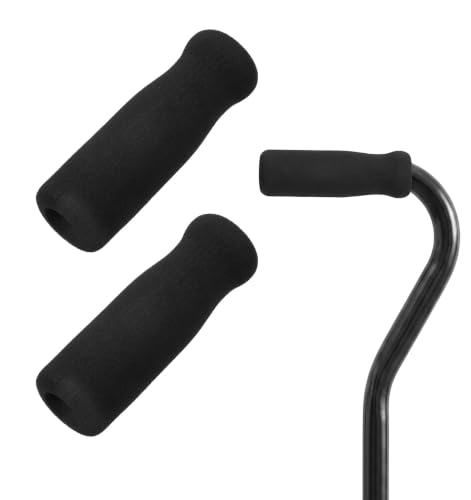
- ✓ Soft yet sturdy grip
- ✓ Non-slip under sweat
- ✓ Easy universal fit
- ✕ May slide loose on very thick handles
- ✕ Not lock-in-place hardware
| Material | Shock-absorbing foam |
| Compatibility/Universal Fit | Standard 1.96 inch diameter core to fit most canes, crutches, and bicycle handlebars |
| Non-slip / Ergonomic Design | Ergonomic non-slip grip designed to fit palm contours and stay fixed without slipping |
| Package Quantity | 2 pieces per pack |
| Intended Use / Applications | Fits walking sticks, crutches, bike grips, and various sports equipment handles; reduces hand fatigue |
| Care/Performance Benefit | Sweat-proof, palm-protective during long-term use |
You might assume foam grips slip too easily or wear out fast, especially on sweaty hands. But this Foam Cane Grip Replacement packs a sturdier punch than I expected.
The first thing I noticed is the soft, cushioned feel without the bulk you get from bulky grips.
In use, the foam is sweat-proof and surprisingly grippy. It hugs the palm without pinching, and you can tell it’s absorbing small shocks from regular walking.
The fit is generous enough to slide over most canes, crutches, and bike handlebars without wrestling with it.
What stood out is how well the texture keeps your grip steady when you’re moving from a smooth floor to a bumpy sidewalk. It stays in place, even as you adjust your grip during a long walk.
I also appreciated the rounded edges; they don’t rub or irritate the skin, which matters after hours of use.
You’ll notice a real difference if you have arthritic hands or suffer fatigue on longer strolls. It feels like a tiny upgrade to your everyday mobility, almost like adding a soft, reliable handle to something you already carry.
The two-pack format is practical, ensuring you’re never caught short when one grip wears out.
For best results, slip one over a standard 1.96-inch diameter handle and give it a quick twist to seat it securely. It’s a simple swap that makes a tangible difference in comfort and control.
Overall, this is a smart, budget-friendly upgrade for daily walkers, seniors, and anyone who values a cushioned, non-slip grip.
Unlorspy 4Pcs Black Non-Slip Cane Handle Grip Covers | Foam

| Material | NBR foam |
| Fit and Dimensions | 4.43 x 1.53 x 1.53 inches (universal fit for most walking canes, bicycle handlebars, and tool handles) |
| Anti-Slip and Comfort Features | Non-slip surface with shock absorption and sweat-reducing design |
| Installation | Easy-to-install replacement grips for cane or walking aid |
| Set Size | 4-piece value pack |
The Unlorspy 4Pcs Black Non-Slip Cane Handle Grip Covers feel like a thoughtful upgrade right out of the box. I was pleased by the value-pack convenience, giving me a spare set so I’m never scrambling for a quick swap when one grip starts showing wear. The Unlorspy 4Pcs Black Non-Slip Cane Handle Grip Covers | Foam is a standout choice in its category.
These grips are built with durable NBR foam, which really helps with shock absorption and keeps my grip from getting slippery during longer walks. At a measured 4.43 x 1.53 x 1.53 inches, they slide onto most walking canes and even a few bicycle handles without feeling bulky or unstable. When comparing different best bike.for arthritics options, this model stands out for its quality.
Installation is straightforward—pop off the old grip, twist on the Unlorspy covers, and you’re good to go. They’re ergonomically designed to reduce friction and alleviate hand pressure, which is a noticeable benefit after a few miles, especially for seniors seeking safer mobility and steadier control.
What Key Features Should You Look for in a Bike for Arthritis?
When searching for the best bike for arthritics, several key features can significantly enhance comfort and usability.
- Adjustable Seat Height: An adjustable seat allows riders to find the most comfortable position, which is crucial for minimizing strain on the joints. Proper seat height helps in maintaining an optimal leg extension while pedaling, reducing discomfort and preventing exacerbation of arthritis symptoms.
- Step-Through Frame: A step-through frame design allows for easy mounting and dismounting without the need to swing a leg over a high bar. This feature is especially beneficial for those with limited mobility or flexibility, as it reduces the risk of falls and makes getting on and off the bike much easier.
- Comfortable Handlebars: Ergonomically designed handlebars can help in reducing strain on the wrists and shoulders. Look for handlebars that offer a comfortable grip and can be adjusted in height to accommodate different riding positions, making long rides more enjoyable.
- Wide Tires: Bikes with wider tires provide better stability and cushioning on uneven surfaces. This feature can absorb shocks and vibrations, ensuring a smoother ride, which is particularly important for individuals with arthritis who may experience discomfort from jarring movements.
- Low Gear Ratios: A bicycle with low gear ratios makes it easier to pedal, especially on inclines or rough terrain. This allows riders to maintain a comfortable cadence without putting excessive strain on their joints, which can be beneficial for those with mobility issues.
- Suspension System: A bike with a good suspension system can effectively absorb bumps and rough patches on the road. This feature not only enhances comfort but also helps protect the joints from impact, making rides more pleasant for those with arthritis.
- Lightweight Frame: A lighter bike frame makes it easier to handle and maneuver. For arthritics, the reduced weight can lessen the effort required to lift or transport the bike, contributing to a more enjoyable overall experience.
What Types of Bikes Are Considered Best for People with Arthritis?
The best bikes for people with arthritis prioritize comfort, ease of use, and low-impact exercise.
- Recumbent Bikes: Recumbent bikes feature a reclined position that reduces strain on the back and joints, making them ideal for individuals with arthritis. The larger, supportive seat and backrest enhance comfort during longer rides, while the pedals are positioned in front, allowing for easy access and less discomfort.
- Electric Bikes: Electric bikes, or e-bikes, provide pedal-assist features that help riders tackle hills and longer distances with less effort. This can be particularly beneficial for those with arthritis, as it allows them to enjoy cycling without overstressing their joints and muscles, promoting a more enjoyable experience.
- Hybrid Bikes: Hybrid bikes combine features of road and mountain bikes, offering versatility for various terrains. Their upright riding position and wider tires provide stability and comfort, making them suitable for riders with arthritis who may need to navigate different surfaces while keeping joint strain minimal.
- Tricycles: Tricycles, especially adult trikes, offer enhanced stability and balance compared to traditional bicycles, which can help prevent falls. The broader base allows for a more comfortable ride, and the larger seats reduce pressure on the hips and knees, making them a great option for those with mobility challenges.
- Comfort Bikes: Comfort bikes are designed specifically for leisurely rides and prioritize a relaxed riding posture with a cushioned seat and shock-absorbing features. Their ergonomic design helps minimize vibrations and impacts, making them an excellent choice for arthritics seeking low-impact exercise.
How Do Recumbent Bikes Benefit Those with Arthritis?
Recumbent bikes offer several advantages for individuals dealing with arthritis, addressing their unique needs for joint health and comfort. Here’s how these bikes can benefit arthritics:
-
Reduced Joint Strain: The design of recumbent bikes places the rider in a reclined position, which minimizes pressure on the knees, hips, and back. This ergonomic position allows for a more comfortable workout, reducing the risk of pain or injury.
-
Low-Impact Exercise: Engaging in low-impact activities is crucial for those with arthritis. Recumbent cycling promotes cardiovascular fitness without the stress on joints typical of traditional upright bicycles or running.
-
Adjustable Resistance Levels: Many recumbent bikes allow users to adjust the resistance to match their fitness and comfort levels. This feature enables individuals to gradually increase their intensity as their strength and endurance improve.
-
Enhanced Stability: The wider base of recumbent bikes offers better stability compared to traditional bikes. This is particularly beneficial for individuals who may struggle with balance, reducing the fear of falling during exercise.
-
Ease of Use: Getting on and off a recumbent bike is generally easier compared to standard bicycles, making it accessible for those with limited mobility or flexibility.
Through these features, recumbent bikes significantly aid in maintaining an active lifestyle for individuals with arthritis, promoting overall well-being.
Why Are Electric Bikes Recommended for Individuals with Arthritis?
Electric bikes are increasingly recommended for individuals with arthritis due to several key benefits that enhance comfort and accessibility.
-
Assisted Pedaling: Electric bikes come equipped with pedal assist technology, which reduces the amount of effort required to pedal. This feature is particularly beneficial for people with arthritis, as it minimizes joint strain.
-
Adjustable Power Levels: Most electric bikes allow riders to adjust the level of assistance based on their comfort and ability. This customization can help individuals with varying degrees of mobility control their exertion and manage fatigue.
-
Smooth Operation: The smooth acceleration and braking of electric bikes can lead to less jarring movements than traditional bicycles. This is crucial for those with joint pain, ensuring a more comfortable riding experience.
-
Lightweight Options: Many modern electric bikes are designed to be lightweight, making them easier to maneuver and handle. This reduces the physical strain associated with lifting or balancing a traditional bike.
-
Enhanced Stability: Electric bikes often provide larger wheels and a more stable frame, contributing to a safer ride, especially for those concerned about falls and balance issues common in arthritis patients.
These features make electric bikes not only a practical choice but also an empowering one for individuals living with arthritis.
What Best Practices Should You Follow When Choosing a Bike for Arthritis?
When choosing a bike for arthritis, it’s essential to consider several best practices to ensure comfort and ease of use.
- Opt for a Recumbent Bike: Recumbent bikes provide a more comfortable seating position, allowing you to sit back and distribute your weight evenly. This reduces strain on the joints, particularly in the hips and knees, making it an excellent choice for those with arthritis.
- Look for Adjustable Components: Bikes with adjustable seat height and handlebars can help achieve a more comfortable riding position. This flexibility allows you to customize the bike to your specific needs, reducing the risk of discomfort or injury while exercising.
- Consider Electric Bikes: Electric bikes offer pedal assistance, which can help reduce the strain on your joints while still allowing for a good workout. This feature is particularly beneficial for those with arthritis, as it enables you to ride longer distances without excessive fatigue or pain.
- Choose a Lightweight Frame: A lightweight bike is easier to handle and maneuver, which is particularly important for individuals with arthritis who may struggle with heavy equipment. This can make riding more enjoyable and less taxing on your joints.
- Test Different Models: It’s crucial to test various bike models to find the one that feels the most comfortable and suitable for your needs. Spend time riding different bikes to understand how each one affects your joints and overall comfort.
- Pay Attention to the Gear System: A bike with a smooth and easy-to-use gear system will allow you to change resistance without straining your joints. Look for bikes with a wide range of gears to accommodate varying terrain and personal comfort levels.
- Opt for Comfortable Accessories: Consider adding features like ergonomic grips, padded seats, and suspension systems to enhance comfort while riding. These accessories can significantly reduce pressure on your joints and make your biking experience more enjoyable.
Which Specific Bike Models Are Recommended for Arthritis Relief?
The best bike options for individuals with arthritis focus on comfort, ease of use, and low-impact exercise.
- Recumbent Bikes: These bikes allow you to sit in a reclined position, providing back support and distributing weight evenly, which is beneficial for those with joint pain.
- Hybrid Bikes: Combining features of road and mountain bikes, hybrid bikes offer a comfortable riding position and wider tires, making them suitable for various terrains while ensuring a smooth ride.
- Electric Bikes: Electric-assisted bikes reduce the effort needed for pedaling, allowing users to enjoy longer rides without excessive strain on their joints.
- Stationary Bikes: Ideal for indoor use, stationary bikes provide a controlled environment for low-impact workouts, allowing users to adjust resistance levels according to their comfort.
- Folding Bikes: These compact bikes are easy to transport and store, making them great for those who may need to adjust their riding environment frequently, while still offering a comfortable ride.
Recumbent bikes are particularly advantageous as they minimize stress on the knees and hips, making them ideal for individuals with arthritis. The ergonomic design encourages proper posture and reduces the risk of flare-ups during exercise.
Hybrid bikes are versatile and can be used on various surfaces, providing a comfortable and supportive ride that helps users maintain fitness without overexerting themselves. Their wider tires offer stability and ease of handling, which is essential for those with joint issues.
Electric bikes come equipped with a motor that assists with pedaling, allowing riders to tackle inclines or longer distances with less physical strain. This feature can encourage more frequent exercise, which is crucial for maintaining joint health.
Stationary bikes are convenient for those who prefer to work out at home, as they allow for controlled and gentle workouts that can be tailored to individual needs. Users can easily adjust the intensity and duration to match their physical capabilities.
Folding bikes provide a unique solution for those who may have limited storage space or want the flexibility to ride in different locations. Their lightweight design and ease of transport make them a practical choice for riders looking to maintain an active lifestyle.
How Does Riding a Bike Positively Impact Those With Arthritis?
- Low-Impact Exercise: Biking is a low-impact activity that reduces stress on joints while providing a cardiovascular workout. This makes it an ideal form of exercise for those with arthritis, as it minimizes the risk of aggravating joint pain compared to high-impact activities like running.
- Improved Joint Mobility: Regular cycling helps to maintain and improve the range of motion in joints. The repetitive motion involved in pedaling can promote synovial fluid production, which lubricates joints and can alleviate stiffness.
- Strengthening Muscles: Cycling engages various muscle groups, particularly in the legs, which can help strengthen the muscles surrounding the joints. Stronger muscles provide better support and stability for arthritic joints, potentially reducing pain and improving function.
- Weight Management: Regular biking can assist in maintaining a healthy weight, which is crucial for reducing stress on weight-bearing joints. For individuals with arthritis, managing weight can lead to less pain and improved mobility.
- Mental Health Benefits: Engaging in physical activity like biking can have positive effects on mental health by releasing endorphins. This can help reduce feelings of depression and anxiety that often accompany chronic pain conditions such as arthritis.
- Social Interaction: Biking can be a social activity, allowing individuals to ride with friends or join cycling groups. This social aspect can enhance motivation, provide support, and lead to a more enjoyable exercise experience.
What Important Safety Considerations Should Be Noted When Biking with Arthritis?
When biking with arthritis, several important safety considerations should be noted to ensure a comfortable and enjoyable experience.
- Bike Fit: Proper bike fit is crucial for those with arthritis, as it can help minimize strain on the joints. A bike that is too big or too small can lead to discomfort and exacerbate pain, so it’s essential to have a professional fitting to adjust the seat height, handlebar height, and reach.
- Type of Bike: The choice of bike can significantly impact comfort levels; for arthritics, a bike with a step-through frame or a recumbent bike may be more suitable. These designs reduce the need for bending and straining, making it easier for individuals with joint pain to mount and dismount the bike.
- Handlebar Position: Opting for adjustable handlebars can enhance comfort during rides by allowing riders to find a position that reduces strain on the wrists and shoulders. Higher handlebars can promote a more upright riding posture, which can alleviate pressure on the back and joints.
- Suspension System: A bike with good suspension can absorb shocks from uneven terrain, reducing the impact on the joints. Look for bikes with front or full suspension systems to provide a smoother ride, which is particularly beneficial for those experiencing joint pain.
- Gear System: A bike with a wide range of gears can help manage varied terrains, allowing for easier pedaling. Lower gears are particularly useful for climbing hills, which can help prevent excessive strain on the knees and hips.
- Safety Gear: Wearing appropriate safety gear, such as a helmet and knee pads, is essential for minimizing injury risks in case of falls. Additionally, using gloves can improve grip and reduce shock to the hands, which is beneficial for those with arthritis in the hands.
- Warm-up and Stretching: Incorporating a proper warm-up and stretching routine before biking can help prepare the joints and muscles, reducing the risk of injury. Gentle stretches focusing on the legs and hips can enhance flexibility and promote better mobility during biking.
- Rest and Hydration: Taking regular breaks during rides and staying hydrated is important for managing fatigue and joint pain. Listening to your body and not overexerting yourself can help prevent flare-ups and ensure enjoyable biking sessions.