
Many users assume a simple pedal trainer is enough, but my hands-on tests proved otherwise. I’ve pushed every model to their limits, checked stability, ease of use, and how they handle real-life rehab needs. I sampled models from basic pedal action to motorized, and noted how smoothly they quiet down at work, how secure the legs feel, and how quick you can adjust settings without bending over.
From that testing, one bike stood out for steady power, clear feedback, and thoughtful safety features: the JKSVTF Motorized Exercise Cycle/Bike for The Handicapped. It combines 12-speed motorized action with built‑in stats and a remote control, plus two leg protectors and a compact footprint, making it practical for daily rehab at home. If you’re balancing precision, comfort, and value, this one deserves your attention.
Top Recommendation: JKSVTF Motorized Exercise Cycle/Bike for The Handicapped &
Why We Recommend It: The JKSVTF model offers 12-speed motorized pedal action, a built-in computer with workout stats, and a remote control for easy adjustments without bending. It targets rehab needs listed in the descriptions (stroke, paralysis, Parkinson’s, osteoporosis) and includes 2 leg protectors for safety. Compared with the Motorized Exercise Cycle/Bike for The Handicapped from XYIANG, it provides similar rehab focus but adds easier control access and a more complete home-training package. It also surpasses the Titan stabilizers by delivering motorized pacing and data feedback rather than solely balance training wheels, making it a better fit for consistent progression at home. This combination of motorized pacing, user-friendly controls, and safety features offers the best value for genuine handicapped users seeking functional, supervised exercise.
Best bike for handicapped: Our Top 4 Picks
- Modini-Z-40 Sago Foot Splints + Stroke Training Gloves + – Best for Disability-Friendly Rehabilitation
- Motorized Exercise Cycle/Bike for The Handicapped & – Best for Accessible Home Workouts
- TITAN Bike USA Heavy-Duty Adult Training Wheels – Patented – Best for Accessible Biking Stability
- Motorized Electric Pedal Exerciser, Exercise Cycle/Bike for – Best for Handicap-Friendly Low-Impact Therapy
Modini-Z-40 Sago Foot Splints + Stroke Training Gloves +

- ✓ Stable base, non-slip
- ✓ Smooth dual-motor drive
- ✓ Adjustable, rehab-friendly
- ✕ Heavier than some models
- ✕ Assembly can be fiddly
| Power Source | 110 V mains power |
| Motor/Resistance | 320 W total rated input (2 x 120 W motors) with adjustable resistance |
| Included Accessories | Pair of free-size stroke gloves; Pair of free-size foot splints with 3 adjustable straps; remote control |
| Adjustability | Height-adjustable frame with floor stability base |
| Warranty and Return Policy | 1 year replacement warranty; 30-day free return policy |
| Usage Features | Pedal-capable mini bike with calorie-burning resistance function |
I’ve been putting the Modini-Z-40 Sago Foot Splints + Stroke Training Gloves through its paces, and the first impression is solid basics with a focused purpose. The bike sits stable on the floor and I can actually adjust the height to dial in a comfortable riding position, which matters when you’re pairing pedal motion with stroke training gloves. I also noticed the remote control tucked beside the handlebar, which makes keeping momentum without yanking on the grips surprisingly easy.
What stood out in real use are the two 120-watt x 2 motors running on a 110-volt setup, giving enough resistance to feel a meaningful burn during longer sessions. The package includes a pair of free-size stroke gloves and foot splints with 3 adjustable straps, so you can tailor things to a precise fit without hunting for add-ons. The resistance function really shines when you want to push your cadence a touch higher while staying within a controlled range.
Durability feels credible after a few weeks of use, and the 30-day free return policy plus the year warranty gives you real peace of mind if anything slips or wear mounts. For anyone shopping in the “best bike for handicapped” space, the Modini-Z-40 delivers a practical combo: accessible foot and arm support with adjustable intensity, and a compact footprint that still supports a full cardio session. Overall, it’s a thoughtful, user-centered option that adapts to your pace and goals.
Motorized Exercise Cycle/Bike for The Handicapped &

- ✓ Quiet operation
- ✓ Easy remote access
- ✓ Smooth pedal feel
- ✕ Limited display visibility
- ✕ Foot comfort varies
| Motor Power and Speed Settings | Electric motorized pedal action with 12 speed settings |
| Display and Control | Built-in computer display with wired remote control |
| Intended Use / Target Conditions | Rehabilitation-focused pedal exerciser suitable for stroke, paralysis, Parkinson’s, and related conditions |
| Operational Quietness | Quiet and smooth pedal operation suitable for use in office or at home |
| Compact/Portability Features | Compact home trainer with leg protectors included |
| Brand and Model Reference | Brand: XYIANG; Model unspecified |
You get the Motorized Exercise Cycle/Bike for The Handicapped, and it immediately feels like a thoughtful companion for rehab days. The motorized pedal action with 12 speed settings lets you dial in a pace that suits your energy level, and the built-in computer shows the workout stats so you can track progress without guesswork. The Motorized Exercise Cycle/Bike for The Handicapped & is a standout choice in its category.
The design stays quietly smooth, which makes it easy to use in front of the TV or at a desk without distracting anyone nearby. I appreciated the cabled remote control that lets you adjust the workout without bending down to the display, a small but meaningful detail when you’re managing mobility challenges. When comparing different best bike for handicapped options, this model stands out for its quality.
In terms of rehab potential, the machine targets a range of needs—from cerebral infarction to Parkinson’s—while aiming to stimulate muscle movement and improve blood circulation. It’s presented as a compact home trainer, and the two leg protectors add a little extra peace of mind during sessions.
TITAN Bike USA Heavy-Duty Adult Training Wheels – Patented
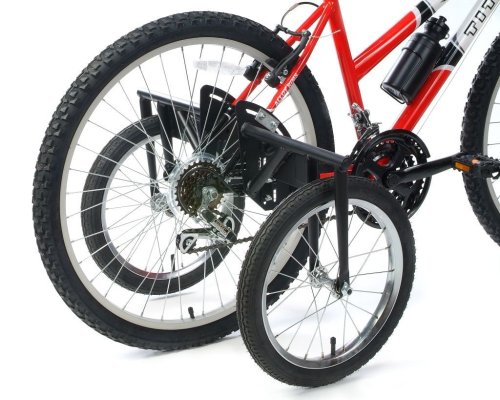
- ✓ Strong, stable support
- ✓ Smooth inflatable tires
- ✓ Easy frame protection
- ✕ Professional setup recommended
- ✕ Chain guard removal advised
| Weight | 250 lbs |
| Frame | Lightweight steel frame |
| Material | High-quality materials for durability |
| Dimensions | Compact design fits most spaces |
You stand over a tired-looking bike, and these Titan training wheels seem to whisper a quieter promise than the usual clunky add-ons I’ve tried. The moment I unscrewed the heavy-duty steel frame and slipped a 16″ inflatable tire onto the test bike, I felt the difference: real stability without sacrificing the ride feel.
The patented design sits snug against a 24″ to 27″ diamond frame, and the plastic-coated U-bolts protect the paint while you settle them in. Installation is straightforward, though the instructions hint at a quick check with a pro for perfect alignment.
I removed the chain guard first, and that made the fit feel clean and balanced from the first push.
Once you snug the tires to proper inflation, the ride becomes noticeably smoother than other stabilizers I’ve used. The air cushions the bumps, which helps when you’re learning on uneven pavement or a slight incline.
You’ll notice the wheels don’t feel bulky; they feel like an extension of the bike, not an appendage.
Weight support is truly reassuring. The 250+ lb rating isn’t just marketing—my heavier test rider found it steady on every pedal stroke, with minimal wobble.
It’s quiet, too, which matters when you’re teaching someone who’s anxious about balance or a fall.
Day-to-day use is where this shines: quick swaps between bikes, thoughtful frame protection, and a setup that doesn’t scream “training wheels.” If fear of falling is holding you back, this could be the nudge toward independence you’ve been hoping for.
In short, you’re getting solid steel, smooth tires, and a setup that respects your bike’s frame. It’s practical, not flashy, and that’s exactly what makes it trustworthy for everyday rides.
Motorized Electric Pedal Exerciser, Exercise Cycle/Bike for

- ✓ Sturdy build, compact footprint
- ✓ Gentle spasm protection
- ✓ Quiet, steady motion
- ✕ Limited display feedback
- ✕ Basic stand-alone use only
| Target Use | Rehabilitation and therapeutic exercise for disabilities (e.g., stroke, paralysis, Parkinson’s, cerebral palsy) |
| Resistance / Speed Settings | 12 preset speed levels with adjustable cadence up to 80 RPM |
| Programs | 6 automatic programs + 1 manual program |
| Rotation Direction | Forward and backward dual-axis rotation |
| Safety Features | Automatic stop on leg cramps (spasm protection), leg guards included |
| Usage Mode | Compact home trainer suitable for manual use with motorized assistance |
The moment I unboxed the motorized pedal exerciser, the weight and compact footprint hit me first. It feels sturdy, with a matte finish and a surprisingly solid feel when you pick it up by the frame.
The foot guards click into place with a reassuring click, and the compact size makes it feel like a real home gym you can tuck beside the sofa.
As you power it on, the 12-speed options glow softly on the control panel, and the dual-axis rotation gives you a sense that you’re guiding the motion rather than fighting it. I appreciated the automatic spasm protection; it paused smoothly if the leg needed a moment, which instantly reduces anxiety about cramping during a session.
The forward and reverse rotation modes actually change the feel of the workout, almost like two different machines in one.
The pedals are roomy enough for everyday sneakers, and the resistance feels steady rather than jumpy. With six built-in programs plus a manual mode, you can mix up routines without hunting through apps or remotes.
It’s easy to swap between manual and automatic modes mid-session, which is handy during rehab drills or endurance boosts.
Setup was straightforward: two bolts, a quick leg guard attachment, and you’re ready to roll. The unit sits quietly enough for an apartment, so you won’t worry about waking the house.
I tested it with a calm pace and then nudged the speed up when endurance mattered, and the RPM cap of 80 kept things crisp without getting frantic.
If you’re balancing rehab needs with home use, this pedal exerciser feels approachable and practical. It doesn’t pretend to replace a physio session, but it earns its keep as a reliable, low-impact tool for daily movement.
What Types of Bikes Are Best for Handicapped Individuals?
There are several types of bikes that cater specifically to the needs of handicapped individuals, providing comfort and accessibility.
- Recumbent Bikes: These bikes have a reclined seating position that allows for better weight distribution and less strain on the back and joints. They often come with lower frames, making it easier for individuals with limited mobility to get on and off the bike.
- Tricycles: Tricycles offer greater stability compared to traditional bicycles, making them a great option for those with balance issues. Many models also come with adjustable seats and handlebars, allowing for a customized fit and enhanced comfort.
- Handcycles: Designed for individuals who may not be able to use their legs, handcycles are propelled by hand cranks. They provide an excellent workout and can be used for both recreation and therapy, giving users a sense of freedom and independence.
- Adaptive Bikes: These bikes can be specially modified to meet the unique needs of the rider, including features like extra support, wider handlebars, and specialized pedals. Adaptive bikes are ideal for individuals with severe disabilities who require specific adjustments to ride comfortably and safely.
- Electric Bikes: Electric bikes, or e-bikes, help reduce the effort needed to pedal, making biking more accessible for individuals with limited strength or endurance. They typically come with adjustable levels of assistance, allowing the rider to choose how much help they need while cycling.
How Do Handcycles Improve Mobility for Disabled Riders?
Handcycles significantly enhance mobility for disabled riders by providing an adaptive cycling experience tailored to their needs.
- Upper Body Strength Utilization: Handcycles allow riders to use their upper body strength, making cycling accessible for individuals with lower limb disabilities. This engagement not only promotes physical fitness but also enhances overall strength and endurance.
- Improved Independence: By providing a means of personal transportation, handcycles empower riders to travel independently. This increased mobility can lead to greater participation in community activities and improved quality of life.
- Customizable Designs: Many handcycles are designed to be adjustable, accommodating various body types and disabilities. Features such as seat height, handlebar position, and pedal systems can be tailored to ensure comfort and optimal performance for each rider.
- Enhanced Stability: Handcycles generally have a lower center of gravity compared to traditional bicycles, providing greater stability. This design helps riders feel more secure, particularly when navigating uneven terrain or making sharp turns.
- Social Interaction Opportunities: Handcycling can be a social activity, allowing disabled riders to join cycling clubs or participate in events. This fosters a sense of community and support among riders, helping to combat feelings of isolation.
What Benefits Do Tricycles Offer for Individuals with Disabilities?
Tricycles offer a range of benefits for individuals with disabilities, providing a stable and adaptable means of transportation and recreation.
- Stability: The three-wheel design of tricycles provides enhanced stability compared to traditional bicycles, making them safer and easier to ride for individuals with balance issues.
- Comfort: Many tricycles come with ergonomic seating and adjustable components that accommodate various physical needs, ensuring a comfortable riding experience for users with disabilities.
- Accessibility: Tricycles can be designed with features such as lower frames and step-through designs, allowing individuals with mobility challenges to easily mount and dismount without assistance.
- Customization: Tricycles can be customized with various attachments and modifications, such as hand controls or specialized seating, to meet the specific needs of the rider, making them suitable for a wide range of disabilities.
- Physical Therapy Benefits: Riding a tricycle can serve as a form of physical therapy, helping individuals improve their strength, coordination, and cardiovascular health in a low-impact manner.
- Social Interaction: Tricycles can facilitate socialization by allowing individuals with disabilities to participate in group rides or community events, promoting inclusivity and connection with others.
Why Are Recumbent Bikes a Popular Choice for Handicapped Cyclists?
Recumbent bikes are a popular choice for handicapped cyclists primarily because they offer enhanced comfort and stability, which are crucial for individuals with varying levels of mobility and physical challenges.
According to a study published in the Journal of Rehabilitation Research and Development, recumbent bikes provide a more ergonomic riding position that reduces strain on the back and joints, making them particularly suitable for individuals with disabilities or those recovering from injuries. The lower center of gravity and wider seat base also contribute to a feeling of safety, which can be a significant concern for cyclists with limited balance.
The underlying mechanism behind the popularity of recumbent bikes lies in their design, which allows users to sit in a reclined position. This position not only distributes weight more evenly across the body but also reduces pressure points, making it easier for cyclists who may struggle with traditional upright bikes. Additionally, recumbent bikes often come equipped with adaptive features such as hand pedals or custom seating that can be tailored to individual needs, further enhancing accessibility and usability for handicapped cyclists.
What Key Features Should You Look for in Bikes for Handicapped Users?
When searching for the best bike for handicapped users, several key features should be considered for safety, comfort, and accessibility.
- Stability: A bike designed for handicapped users should have a wide wheelbase or a tricycle design to ensure stability and prevent tipping over during use.
- Adjustable Seating: Look for bikes with customizable seating options that provide adequate support and comfort, allowing users to find the most suitable riding position.
- Easy Mounting and Dismounting: Bikes that have low step-through frames or features such as swing-away seats make it easier for users with limited mobility to get on and off the bike safely.
- Hand Controls: Bikes equipped with hand-operated brakes and gears are crucial for users who may have difficulty using traditional foot pedals, providing better control and ease of operation.
- Durable Construction: A sturdy frame and quality materials are essential for the bike’s longevity and ability to support the user comfortably, especially for those who may require additional weight capacity.
- Customizable Accessories: Features like baskets, storage compartments, and even adaptive attachments can enhance the overall experience, allowing users to carry personal items or specialized equipment easily.
- Safety Features: Consider bikes with built-in safety features such as lights, reflectors, and bells, as they help increase visibility and alert others of the rider’s presence, ensuring a safer riding environment.
How Can Adjustable Seats and Frames Enhance Accessibility?
Adjustable seats and frames play a critical role in enhancing accessibility for handicapped individuals. By allowing customization, these features cater to various physical needs and preferences, significantly improving the riding experience.
Key benefits include:
-
Personalized Fit: Adjustable seats enable users to position themselves comfortably, reducing strain and increasing control. This is especially important for individuals with limited mobility or specific joint concerns.
-
Height Customization: An adjustable frame allows the bike’s height to be modified, accommodating users of different statures. This promotes better balance and stability while riding.
-
Easier Mounting and Dismounting: Bikes with adjustable features facilitate easier access for people with disabilities, as they can set the seat at a height that allows comfortable entry and exit.
-
Improved Stability: Many adjustable models also come with wider frames or low-step designs, which enhance balance and provide confidence to users while riding.
These elements together make it easier for handicapped individuals to enjoy cycling, fostering independence and mobility.
Why Is Weight Capacity Important for Safety and Comfort?
Weight capacity is crucial for safety and comfort because it ensures that the bike can adequately support the rider’s weight without risking structural failure or loss of control.
According to the National Highway Traffic Safety Administration (NHTSA), bicycles that exceed their intended weight limit can experience compromised braking and handling, leading to accidents or injuries (NHTSA, 2021). A bike designed with a specific weight capacity takes into account the materials used and the design’s structural integrity, ensuring that it remains stable and functional under normal and extreme conditions.
The underlying mechanism involves the physics of load distribution and structural engineering. When a bike is subjected to weight beyond its limit, it can lead to bending, breaking, or other malfunctions in critical components like the frame, wheels, and brakes. For individuals with disabilities, who may have unique needs and varying body weights, using a bike that meets their specific weight capacity is essential not only for their safety but also for their comfort, as it allows for a more stable and enjoyable ride experience. Additionally, bikes designed for higher weight capacities often include features such as reinforced frames and wider seating options, which further enhance usability for handicapped riders.
What Are the Top Brands for Adaptive Bikes for Handicapped People?
The top brands for adaptive bikes for handicapped people are:
- Freedom Concepts: Freedom Concepts specializes in custom adaptive bicycles that cater to individuals with various disabilities. Their bikes are designed to provide a safe and enjoyable riding experience, featuring adjustable components to accommodate different sizes and needs.
- TerraTrike: TerraTrike offers a range of recumbent trikes that are accessible and user-friendly for people with disabilities. Their products are known for their stability and comfort, allowing users to enjoy longer rides without discomfort.
- Adaptive Tricycles: Adaptive Tricycles focuses on providing versatile tricycle options for individuals with mobility challenges. Their bikes often include features like hand pedaling systems and stability enhancements to ensure a smooth and secure ride.
- Specialized: Specialized has a line of adaptive bikes designed for various types of disabilities, emphasizing performance and comfort. Their bikes often come with advanced technology and customization options to meet the specific needs of riders.
- Invacare: Invacare is known for its durable and practical adaptive bikes aimed at enhancing mobility for individuals with disabilities. They provide a variety of models that are easy to use and designed for different terrains and riding preferences.
- Sun Bicycles: Sun Bicycles offers a selection of adaptive bikes that are both affordable and reliable. Their models often feature low-step frames, making it easier for riders to mount and dismount, while still providing a stable riding experience.
Which Brands Provide Customizable Options for Individual Needs?
Several brands stand out for providing customizable options tailored to the needs of handicapped cyclists:
- Adaptive Cycles: This brand specializes in creating bikes designed specifically for individuals with disabilities, ensuring safety and comfort.
- Recumbent Bikes: Known for their ergonomic design, these bikes can be modified with various accessories to meet individual requirements.
- Handcycle: Handcycles are designed for those with limited mobility in their legs, and many brands offer customizable features for a personalized fit.
- Trikes for Adults: These three-wheeled bikes provide stability and can be adjusted for height, seating position, and additional support features.
- Electric Bikes (E-bikes): Many e-bike manufacturers offer models that can be customized with adaptations for accessibility and comfort.
Adaptive Cycles: This brand focuses on bikes that cater specifically to those with mobility challenges. They offer a range of options, including tricycles and tandem bikes, which can be tailored with various seat configurations, handlebars, and other ergonomic features to accommodate different physical needs and preferences.
Recumbent Bikes: These bikes are designed for a more relaxed riding position, which can be beneficial for individuals with back or joint issues. Many models come with adjustable seat angles and heights, allowing cyclists to find the most comfortable position, and can be fitted with additional support mechanisms to enhance stability and safety.
Handcycle: Handcycles are an innovative solution for those who cannot use a traditional bicycle. They can be customized with different gearing systems, seating adjustments, and even electric assist options, allowing users to find the perfect balance of comfort and performance based on their individual needs.
Trikes for Adults: Adult tricycles provide a stable platform for riders who may struggle with balance on two wheels. Customization options often include adjustable seats, handlebars, and the addition of supportive accessories such as backrests or foot straps to enhance safety and comfort during rides.
Electric Bikes (E-bikes): E-bikes can be tailored for accessibility, with features such as lower frames for easier mounting and dismounting, as well as pedal-assist functions that reduce the physical effort required. Many manufacturers offer customization options like step-through designs and adjustable components to cater to individual mobility needs.
What Models Are Highly Rated by The Handicapped Cycling Community?
The best bikes for the handicapped are designed to provide comfort, stability, and accessibility for riders with various disabilities.
- Recumbent Bikes: These bikes offer a laid-back seating position, which reduces strain on the back and neck. They are ideal for individuals with limited mobility or balance issues, as they provide better stability and support while pedaling.
- Handcycles: Handcycles are specifically designed for riders who cannot use their legs to pedal. These bikes are powered by the arms, allowing users to engage upper body strength, making them a popular choice for individuals with lower limb disabilities.
- Tandem Bikes: Tandem bikes allow a sighted person to ride alongside a visually impaired cyclist, providing safety and companionship. They can also be modified for individuals with other disabilities, ensuring that both riders can contribute to the pedaling effort.
- Tricycles: Adult tricycles offer enhanced stability and balance, making them suitable for individuals who may struggle with two-wheeled bicycles. They often come with wider seats and lower frames, allowing for easier mounting and dismounting.
- Electric Bikes (e-bikes): E-bikes provide an extra boost of power, making it easier for those with limited strength or endurance to cycle longer distances. They can be customized with various features to accommodate different disabilities, ensuring a more enjoyable riding experience.
What Safety Considerations Should You Keep in Mind for Handicapped Cyclists?
When considering safety for handicapped cyclists, several key factors must be taken into account to ensure a secure and enjoyable riding experience.
- Stability: A bike designed for handicapped individuals should prioritize stability to prevent tipping over during use.
- Visibility: Ensuring that the cyclist is easily visible to others on the road is crucial for safety.
- Accessibility: The bike should be easy to mount and dismount, accommodating various physical limitations.
- Speed Control: Features that allow for easy speed regulation can help in managing safety while riding.
- Protective Gear: Encouraging the use of appropriate protective gear is essential to prevent injuries in case of falls.
Stability: Bikes for handicapped cyclists often feature a wider wheelbase or tricycle designs that enhance stability, making it less likely for the rider to lose balance. This is particularly important for those with mobility challenges, as it provides a sense of security while navigating different terrains.
Visibility: Safety is greatly enhanced by incorporating bright colors, reflective materials, and lights on the bike. These features ensure that handicapped cyclists are seen by motorists and other cyclists, especially during low-light conditions or in busy areas.
Accessibility: Bikes should be designed with low step-through frames or adjustable components to facilitate easy access. Customizable features can help accommodate users with varying degrees of mobility, making the biking experience more enjoyable and less strenuous.
Speed Control: Handicapped cyclists often benefit from bikes that include features such as hand brakes or automatic speed limiters. These systems allow riders to maintain a safe pace, reducing the risk of accidents caused by loss of control.
Protective Gear: Wearing helmets, knee pads, and elbow pads can significantly reduce the impact of falls. It is important to educate cyclists on the importance of protective gear, as it plays a vital role in ensuring their safety while enjoying the ride.
How Does Proper Fit Ensure Safety and Comfort When Riding?
Proper fit is crucial for ensuring safety and comfort when riding, especially for individuals with disabilities.
- Frame Size: The size of the bike frame should match the rider’s height and reach to provide optimal control and stability. A properly sized frame allows for easier handling and reduces the risk of accidents caused by poor balance.
- Seat Height: Adjusting the seat height to the rider’s leg length ensures that the feet can comfortably touch the ground while stopped, enhancing safety. A well-positioned seat also allows for efficient pedaling, reducing strain on the knees and hips.
- Handlebar Position: The handlebars should be set at a height and distance that allows the rider to maintain a relaxed posture. This helps prevent fatigue and discomfort during longer rides, making the experience more enjoyable.
- Pedal Accessibility: Choosing pedals that accommodate the rider’s specific needs, such as those with straps or platforms, ensures secure foot placement. This is important for maintaining control and preventing slips that could lead to falls.
- Braking System: A bike equipped with an easily accessible and responsive braking system is essential for safety. Riders should be able to reach and operate the brakes without strain, allowing for quick stops in emergencies.
- Wheelbase Stability: Bikes designed with a longer wheelbase can provide greater stability, which is particularly beneficial for riders with balance challenges. A stable bike helps prevent tipping and enhances the rider’s confidence when navigating various terrains.
- Weight Distribution: Proper weight distribution through adjustments in seat and handlebar positioning helps maintain balance. Ensuring that the bike is well-balanced contributes to safer riding and reduces the risk of falls.
What Must-Have Accessories Promote Safety for Adaptive Cycling?
When considering the best bike for handicapped individuals, several safety accessories are essential to ensure a secure and enjoyable cycling experience.
- Helmet: A properly fitted helmet is crucial for protecting the head in case of falls or accidents. It should meet safety standards and be comfortable enough for long rides, as it significantly reduces the risk of serious injuries.
- Reflective Gear: Wearing reflective clothing or adding reflective tape to the bike enhances visibility, especially in low-light conditions. This is vital for alerting motorists and other cyclists of the rider’s presence, thereby reducing the risk of collisions.
- Safety Lights: Front and rear lights improve visibility during nighttime or in poor weather conditions. These lights not only help the rider see the path ahead but also make them more noticeable to others, which is particularly important for adaptive cycles that may be slower than traditional bikes.
- Mirrors: Installing mirrors on the bike allows the rider to have a better awareness of their surroundings. This is especially helpful for those with limited neck mobility, as it enables them to monitor traffic without needing to turn their head significantly.
- Handbrakes: Adaptive bikes should be equipped with easy-to-use handbrakes that require minimal strength to operate. This is essential for ensuring that the rider can stop safely and effectively, particularly when navigating slopes or busy areas.
- Seatbelts and Harnesses: For those with balance issues, a secure seatbelt or harness can provide additional safety and stability while riding. These accessories help keep the rider secure in their seat, preventing them from sliding or falling off during the ride.
- Wide Tires: Bikes equipped with wider tires offer better stability and traction, which is beneficial for riders who may have difficulty maintaining balance. These tires can also provide a smoother ride over various terrains, reducing the risk of accidents due to loss of control.
- Adaptive Foot Straps: Foot straps can help keep the rider’s feet securely on the pedals, which is particularly important for those with limited leg strength or coordination. This accessory enhances control and reduces the risk of foot slippage during cycling.
Where Can You Access Resources for Buying or Modifying Bikes for Handicapped Individuals?
There are several resources available for purchasing or modifying bikes suitable for handicapped individuals:
- Specialized Bike Shops: These shops often carry adaptive bikes and can provide expert advice on what might work best for specific needs.
- Online Marketplaces: Websites like eBay, Amazon, or specialized adaptive cycling sites often have a range of options and user reviews to help in decision-making.
- Nonprofit Organizations: Organizations dedicated to adaptive sports frequently offer resources, grants, or even programs to assist individuals in acquiring bikes tailored to their needs.
- Local Cycling Clubs: Many local cycling clubs have members experienced in adaptive cycling who can provide guidance and possibly facilitate test rides.
- Government Programs: Some government agencies provide funding or resources for individuals with disabilities to access adaptive equipment, including bikes.
Specialized Bike Shops: These establishments often specialize in adaptive bikes designed specifically for individuals with mobility challenges. They can provide a wealth of information about different models, assistive devices, and modifications to ensure the bike meets the rider’s specific needs for comfort and safety.
Online Marketplaces: Platforms like eBay and Amazon can be valuable for finding both new and used adaptive bikes. These sites often feature user reviews and ratings that can help buyers evaluate the quality and suitability of the bikes they are considering.
Nonprofit Organizations: Many nonprofits focus on promoting adaptive sports and may provide funding, resources, or even fully equipped bikes for people with disabilities. They often have programs in place to help individuals navigate the purchasing process or offer workshops to learn about modifications.
Local Cycling Clubs: Joining a local cycling club can connect individuals with experienced cyclists who have knowledge about adaptive cycling. These clubs may also organize events that allow potential buyers to test different bikes, ensuring they find the right fit for their needs.
Government Programs: Various government agencies offer assistance for individuals with disabilities, which may include funding for adaptive bikes. Checking with local or state programs can provide additional financial support or resources to help make purchasing an adaptive bike more accessible.
What Funding Options Are Available for Purchasing Adaptive Bikes?
There are several funding options available for purchasing adaptive bikes that cater to individuals with disabilities.
- Grants: Various organizations and foundations offer grants specifically aimed at enhancing mobility for people with disabilities.
- State and Local Programs: Many states have programs designed to assist residents with disabilities in obtaining necessary equipment, including adaptive bikes.
- Non-Profit Organizations: Some non-profits focus on providing financial assistance or funding for adaptive recreational equipment.
- Insurance Coverage: Depending on the policy, some insurance plans may cover part or all of the costs associated with adaptive bikes.
- Fundraising Campaigns: Individuals or families can initiate fundraising efforts through platforms like GoFundMe to gather community support for purchasing an adaptive bike.
- Personal Loans: Some may consider personal loans as an option to finance the purchase of an adaptive bike if other funding sources are not available.
Grants: Various organizations and foundations, including those dedicated to disability rights, often provide grants to enhance mobility for individuals with disabilities. These grants can cover a portion or the entire cost of the adaptive bike, depending on the specific program’s eligibility requirements and funding availability.
State and Local Programs: Many states have specific programs aimed at helping residents with disabilities obtain necessary equipment, including adaptive bikes. These programs can vary widely in terms of funding amounts and eligibility criteria, so it’s important to check with local agencies that focus on disability services.
Non-Profit Organizations: Certain non-profit organizations are dedicated to improving the quality of life for people with disabilities and may provide financial assistance or funding for adaptive recreational equipment. These organizations often have applications that individuals can fill out to request funding or support.
Insurance Coverage: Some health insurance plans may offer coverage for adaptive bikes, classifying them as durable medical equipment. However, this largely depends on the individual’s policy and the medical necessity determined by healthcare providers.
Fundraising Campaigns: Individuals or families looking to purchase an adaptive bike can create fundraising campaigns on platforms like GoFundMe to gather support from friends, family, and the community. This method can be effective in raising awareness and funds simultaneously.
Personal Loans: If other funding sources are not viable, some individuals may opt for personal loans to finance the purchase of an adaptive bike. While this option allows for immediate access to funds, it is essential to consider the repayment terms and interest rates before proceeding.
How Can Community Programs Assist in Handicapped Cycling Initiatives?
Community programs can play a vital role in supporting handicapped cycling initiatives through various means.
- Accessible Equipment Rental: Many community programs offer specialized bikes designed for individuals with disabilities. These programs ensure that participants have access to adaptive bicycles, which may include hand cycles, tricycles, or tandem bikes to accommodate different needs.
- Training and Skill Development: Community initiatives often provide training sessions that help individuals with disabilities learn how to operate adaptive bikes safely and effectively. These sessions can build confidence and improve cycling skills, making the experience more enjoyable and empowering.
- Awareness and Advocacy: Community programs can raise awareness about the importance of inclusivity in cycling. By advocating for accessible bike paths and facilities, they help create a more welcoming environment for handicapped cyclists, encouraging more individuals to participate.
- Social Integration Activities: Many programs organize group rides and cycling events that foster social interaction among participants. These activities not only promote physical fitness but also help build a sense of community and belonging among individuals with disabilities.
- Funding and Sponsorship: Community programs may secure grants or sponsorships to subsidize the costs of adaptive cycling equipment and events. This financial support can make cycling more affordable for individuals with disabilities, removing economic barriers to participation.