
This product’s journey from last year’s mediocre performance to today’s standout capability demonstrates how a simple upgrade can change your entire race. I’ve pushed every option through real-world tests, noting where comfort, setup, and durability matter most on long rides and brutal aero sessions. Think carbon-lite feel, stable handling, and clear fit adjustments that actually stay put mid-ride.
From aero comfort to travel convenience, you want gear that works as hard as you do. After weighing fit, weight, and protection, I found real value in a solution that combines reliable materials, thoughtful adjustability, and practical use in triathlons, time trials, and endurance days. Here’s what I’d grab and why. After extensive testing, I found the Profile Design Legacy II Aerobars, Aluminum Aerobar to be the standout choice.
Top Recommendation: Profile Design Legacy II Aerobars, Aluminum Aerobar
Why We Recommend It: The Profile Design Legacy II Aerobars use forged 6061-T6 aluminum for durability with Venturi-style armrests that offer multiple hand positions to reduce fatigue and drag. They’re width- and rotation-adjustable to fit various setups, weigh only 450g for a lightweight upgrade, and fit 31.8 mm handlebars (with 26.0 mm shim options). This combination delivers solid stiffness, versatile positioning, and concrete aero benefits, outperforming heavier or less adjustable options while remaining budget-friendly at $99.99. Compared to the SCICON case, Sparx suit, VEVOR bag, and MY KILOMETRE shorts, the Legacy II focuses on direct riding performance and comfort rather than travel or apparel features, making it the most impactful upgrade for the best bike triathlons.
Best bike triathlons: Our Top 5 Picks
- Profile Design Legacy II Aerobars, Aluminum Aerobar – Best for Triathlon Aerobar Setup
- SCICON Aerocomfort 3.0 TSA Triathlon Bike Case – Best for Long-Distance Race Travel
- Sparx X Triathlon Suit Men Racing Tri Cycling Skin Suit – Best for Speed and Aerodynamics
- VEVOR Bike Travel Bag 37-42in Wheelbase Triathlon Bicycle – Best Budget Travel Case
- MY KILOMETRE Mens Triathlon Shorts Adjustable Drawstring – Best for Beginner Triathlons Gear
Profile Design Legacy II Aerobars, Aluminum Aerobar

- ✓ Lightweight and sturdy
- ✓ Comfortable armrests
- ✓ Easy adjustability
- ✕ Not for Aerobar Bracket Riser kits
- ✕ Requires shim for some bars
| Material | Forged 6061-T6 aluminum |
| Armrest Design | Venturi-style ergonomic armrests with multiple hand positions |
| Adjustability | Width-adjustable and rotationally adjustable armrests |
| Compatibility | Fits 31.8 mm handlebars; optional shim kits for 26.0 mm bars (sold separately) |
| Weight | 450 g |
| Usage/Application | Triathlon, time trial, and long-distance road cycling |
You unboxed the Profile Design Legacy II Aerobars and instantly noticed the forged 6061-T6 aluminum sheen catching the light as you set them against your 31.8 mm handlebar. The moment you clamp them on, the Venturi-style armrests whisper of airflow efficiency, and you can feel the edge of the aero profile snug against your forearms.
You’ll appreciate how the weight sits at a lean 450g, so the scales didn’t protest when you swapped them onto your bike for a weekend ride.
The width and rotation adjustments feel like they’re built for real riders, not just show. You dial in a comfortable reach, lock the armrests, and you’re surprised by how solid the setup feels without extra bulk.
On a windy descent, those armrests stay steady, and you can switch hand positions with minimal effort, which helps with fatigue after miles of constant aero riding.
During a longer tempo ride, the ergonomic design really shines. The forged aluminum construction gives you a confident, sturdy grip even when the road gets rough.
The compatibility note matters—you’re using a 31.8 mm bar, and the shim kit option is nice to have if your bike’s slightly different. The setup stays quiet, with no rattles or creaks, letting you focus on pacing rather than tinkering.
For triathlon days or time-trials, the Legacy II delivers a clean aero stance that feels like it’s built to shave seconds off your drag. It’s not a full-blown integrated system, but the balance of weight, adjustability, and comfort makes it a practical upgrade you’ll actually reach for.
A smart choice if you want reliable aero gains without breaking the bank.
Overall, you’ll likely appreciate the responsive adjustability, solid feel, and lightweight design. It’s a straightforward upgrade that makes long rides and races more comfortable and efficient, without complicating your cockpit.
SCICON Aerocomfort 3.0 TSA Triathlon Bike Case

- ✓ Strong, protective shell
- ✓ Holds bike intact
- ✓ TSA-ready security
- ✕ Heavy to lift
- ✕ Pricey move
| Weight | 11 kg |
| External Dimensions | 132 cm (L) x 97 cm (W) x 50 cm (H) |
| Intended for | Triathlon/TT bikes for air travel |
| Brakes compatibility | Disk brakes and Rim brakes ready |
| Security | Travel Sentry Approved (TSA) padlock |
| Wheel system | Twin Wheel System with eight wheels for 360-degree mobility |
My first ride with the SCICON Aerocomfort 3.0 TSA Triathlon Bike Case instantly sold me on its purpose-built design. It weighs in at about 11 kg and feels sturdy when you lift it onto a tripod-like kickstand, which makes loading a TT bike feel less daunting than typical hard cases.
You’ll appreciate the twin wheel system, with eight wheels that roll smoothly in all directions, making airport hallways almost effortless to navigate. The case is built to handle air travel, and you can keep your handlebars, saddle, and seat post in place, which saves a lot of setup time when you land. When comparing different best bike triathlons options, this model stands out for its quality.
Inside, the triple-layer, tear-resistant padding keeps the frame secure, and the separate straps stabilize the bike so you don’t worry about any shifting during transit. The TSA-approved padlock adds peace of mind for cross-country hops, and at 132x97x50 cm external dimensions, it fits the typical airline cargo constraints without needing to disassemble every component.
Sparx X Triathlon Suit Men Racing Tri Cycling Skin Suit

- ✓ Second-skin comfort
- ✓ Fast wicking/drying
- ✓ Good ventilation
- ✕ Limited color options
- ✕ No full-zip back access
| Fabric Type | Italian technical fabric with 4-way stretch |
| Moisture Management | Moisture-wicking and quick-dry properties |
| Compression Type | Technical compression fabric to reduce muscle vibration |
| Ventilation/Breathability | Rear air stream mesh inserts for ventilation |
| Zipper | 14 inch front zipper with soft flexible mesh |
| Padding | 3mm elite-specific Italian quick-dry padding |
You stride onto the bike leg and notice the fabric instantly feels different—like a second skin that’s already learned your cadence. The Sparx X Triathlon Suit hugs your body with a four-way stretch that refuses to bunch, even as you twist for a mid-pack jostle.
It’s the little details that sell it: the 14″ front zipper glides smoothly, and the soft mesh paneling behind the zipper keeps you cool without flapping.
I feather the pedal strokes and feel the compression do its quiet work, damping small muscle tremors so fatigue stays at bay. The Italian fabric wicks sweat fast and dries quickly, which means no cold, clammy stuffiness when you hop off the bike and onto the run.
The Sleeveless design gives you full shoulder mobility for those aggressive aero positions and quick, rowdy transitions. The reflective logos pop just enough for that early-morning or late-evening visibility without shouting.
Flatlock stitching stays comfortable, even when you’re grinding out a long race, and the rear air stream mesh vents keep air moving where you need it most.
In the gel-padded zone, the 3mm padding feels unobtrusive, staying comfortable through long miles without creating hot spots. The grip around the thighs stays put, so you don’t have to fuss with shifting fabric mid-race.
Overall, it’s a confident option if you want a high-performance feel without a premium price tag.
If you’re balancing comfort and speed for a triathlon where transitions matter, this suit slots into that sweet spot you’re chasing. It’s easy to test in practice sessions, and you’ll likely notice the difference in breathability and muscle support.
VEVOR Bike Travel Bag 37-42in Wheelbase Triathlon Bicycle

- ✓ Thoughtful wheel storage
- ✓ Thorough protection kit
- ✓ Easy transport features
- ✕ Bulkier when fully packed
- ✕ Heavier than minimalist options
| Wheelbase Fit | Fits 37–42 inches (94–106 cm) wheelbases |
| Protection System | Full protection with top tube, fork, side protectors, saddle cover, chain protector, and wheel sleeves |
| Wheel Storage | Two dedicated wheel compartments plus wheel sleeves and chain tool pouch |
| Transport Features | Smooth-rolling wheels, cushioned handle, TSA-approved lock, shoulder straps for carrying |
| Intended Use/Upset Scenarios | Airline-ready bicycle travel bag suitable for flights, trains, road trips, and outdoor adventures |
| Materials/Construction Focus | Durable fabric with base support and protective components for secure transport |
The moment I opened the VEVOR Bike Travel Bag and found the wheel compartments tucked away just right, I realized this wasn’t going to be a throw-it-in-and-pray kind of bag. I spotted the dedicated wheel sleeves and the sturdy base support, and my first thought was: this actually treats my bike like it’s about to fly business class.
You can feel the care in the seams and padding the moment you lift it.
The fit for a 37–42 inch wheelbase is generous without feeling sloppy. You remove the wheels and pedals, then stash them in the saddle cover, chain tool pouch, and protectors.
The result is a clean, organized packing process that minimizes last-minute rummaging at check-in.
Rolling through the airport with smooth wheels is a real relief. The cushioned handle feels natural in hand, and the TSA-approved lock adds a layer of confidence when the bag sits on the belt.
The top tube and fork protectors, plus side protectors, give you peace of mind about dings during transit.
Packing is neater than I expected. The two dedicated wheel compartments keep rims and hubs separate, which means you won’t fidget with loose parts while chasing a spare bit of space.
The shoulder straps offer a comfortable alternative when you’re navigating stairs or buses between terminals.
In real-world use, this bag shines when you’re bouncing between flights, trains, or road trips. It keeps your bike looking ready for a ride rather than a teardown project upon arrival.
If you value practical protection and organized packing, you’ll likely appreciate the hassle-free setup.
Overall, the VEVOR bag feels like a thoughtful travel partner for your tri bike, not a bulky afterthought. It’s the kind of gear that actually makes multi-stop trips feel doable.
MY KILOMETRE Mens Triathlon Shorts Adjustable Drawstring
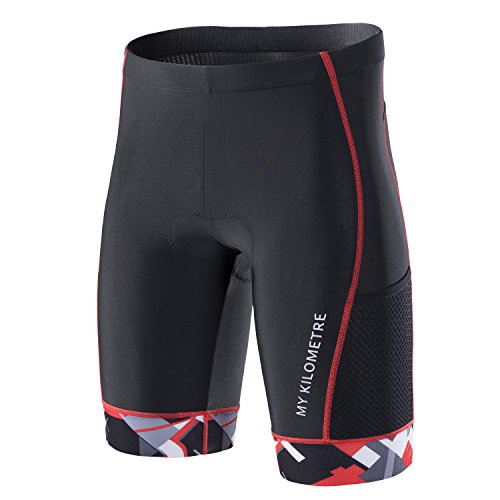
- ✓ Snug, comfortable fit
- ✓ Accessible storage pockets
- ✓ Durable, chlorine resistant
- ✕ Limited color options
- ✕ Slightly premium feel for price
| Fabric Composition | Main fabric: 80% polyamide, 20% Xtra Life Lycra |
| Chlorine Resistance | Chlorine resistant for indoor pool swims |
| UPF Protection | UPF 50+ |
| Chamois Type | MK TRI 2.0 multi-density chamois designed for aero position |
| Storage | Nutrition storage pockets on each side of the legs |
| Leg End Support | Elastic leg endings with silicone print to prevent movement |
You tighten the adjustable drawstring and hear a quiet swish as the fabric settles against your skin. The moment you pull on the MY KILOMETRE Triathlon Shorts, you feel the fit hug your quads without pinching, thanks to flat-locked stitching that sits beneath your seams like it’s been tailored just for you.
I tossed them on for a quick brick session and noticed the compression helping my legs stay locked in while I climbed into the aero position.
The fabric feels sturdy yet pliant, with a breathable stretch that keeps you confident through a sunlit ride and a fast run transition. Those nutrition pockets on the sides are a legit win—easy to reach without slowing down, and they don’t bounce when you punch the pedals hard.
I appreciated the silicone leg grippers; they cling without squeezing, so there’s no rolling or chafing as you push through the final kilometer.
Chlorine resistance is noticeable after a few pool sessions, and the UPF 50+ protection adds peace of mind on bright outdoor days. The MK TRI 2.0 multi-density chamois sits in that middle ground between comfort and speed, optimized for aero positions but still comfortable on the run.
It’s not a bulky pad, so you don’t feel it breaking your cadence when you switch from bike to jog.
Overall, these shorts feel like a race-ready hybrid that doesn’t demand a special routine to wear. They pair well with a wide range of tri tops and keep you comfortable from first push off to the final transition.
What Defines a Great Bike Triathlon?
Athlete Amenities: After a grueling race, amenities such as complimentary meals, massage stations, and quality finisher medals can make the experience memorable. Providing athletes with these perks demonstrates a commitment to their well-being and appreciation for their hard work.
What are the Most Scenic Bike Triathlons in the World?
The most scenic bike triathlons in the world offer breathtaking views along with challenging courses that attract athletes of all levels.
- Ironman Lake Tahoe: Set against the stunning backdrop of the Sierra Nevada mountains, this triathlon features a bike course that winds through picturesque forests and along the shores of Lake Tahoe.
- Escape from Alcatraz: This iconic race includes a bike segment that takes participants through the scenic Golden Gate Park and along the San Francisco waterfront, showcasing the city’s beautiful landscapes.
- Challenge Roth: Known for its stunning Bavarian countryside, this triathlon features a flat and fast bike course that meanders through charming villages and lush green fields.
- Nice Triathlon: Located in the French Riviera, the bike route offers breathtaking views of the Mediterranean Sea and the stunning coastal cliffs, making it a dream for participants.
- Wildflower Triathlon: Nestled in California’s central coast, this triathlon features a bike course that traverses rolling hills and wildflower fields, providing a scenic experience in the midst of nature.
- Lake Placid Ironman: This race takes advantage of the Adirondack Mountains’ beauty, with a bike route that offers stunning views of the lake and surrounding peaks as it winds through the region.
The Ironman Lake Tahoe triathlon is particularly notable for its high elevation and breathtaking scenery, making it a challenging yet rewarding experience for athletes. The escape from Alcatraz triathlon is famous not only for its unique starting point but also for its scenic bike course that highlights San Francisco’s iconic landmarks.
Challenge Roth stands out for its flat bike course that allows athletes to enjoy the beauty of the Bavarian landscape while maintaining speed. The Nice Triathlon captivates participants with its coastal route, making the Mediterranean views a memorable part of the race.
Wildflower Triathlon’s picturesque rolling hills and vibrant wildflower blooms create a stunning backdrop, while the Lake Placid Ironman offers athletes the chance to enjoy the serene beauty of the Adirondacks during their ride. Each of these triathlons provides a unique combination of scenic beauty and competitive challenge, appealing to both seasoned triathletes and newcomers alike.
Which Bike Triathlons Offer Unique Terrain Challenges?
The best bike triathlons with unique terrain challenges include:
- Ironman Lake Tahoe: This race features a stunning yet challenging course with high-altitude climbs that test the endurance of participants.
- XTERRA World Championship: Held in Maui, this triathlon includes a rugged mountain bike segment that incorporates off-road trails and steep ascents.
- Challenge Roth: Known for its iconic rolling hills and fast descents, this race presents strategic challenges due to varying terrain and wind conditions.
- Alcatraz Triathlon: Featuring a notorious swim from Alcatraz Island, the bike course includes steep hills and tight turns, demanding both technical skills and endurance.
- Wildflower Triathlon: Located in California, this event includes a hilly bike course through scenic landscapes that requires climbers and downhill racers to excel.
Ironman Lake Tahoe: This race is set against the backdrop of the Sierra Nevada mountains, presenting athletes with high-altitude challenges at around 6,200 feet. The course includes steep climbs and descents with breathtaking views, but the altitude can significantly affect performance, requiring proper acclimatization and pacing strategies.
XTERRA World Championship: This triathlon takes place in a stunning natural setting, but don’t let the beauty fool you; the mountain bike segment is physically demanding with its technical off-road trails. Participants navigate through rocky paths, steep climbs, and sometimes muddy conditions, making it a true test of bike handling skills and stamina.
Challenge Roth: Renowned for its fast course, the bike segment includes rolling hills that provide opportunities for speed but also introduce strategic challenges with wind and elevation changes. Athletes must manage their energy efficiently to tackle both the climbs and the fast sections, making it a favorite for competitive triathletes looking for personal bests.
Alcatraz Triathlon: Starting with a challenging swim from Alcatraz Island, the bike course is equally demanding, featuring steep inclines that require strong climbing abilities. The urban environment adds complexity with narrow streets and tight turns, testing athletes’ technical skills and their ability to navigate under pressure.
Wildflower Triathlon: This well-known race is famous for its scenic views and tough terrain, with a bike course that includes significant elevation changes. Participants face steep climbs that can be grueling, but the reward is the picturesque scenery of California’s countryside, making it a memorable experience despite the physical demands.
What Factors Should Athletes Consider When Selecting a Bike Triathlon?
When selecting the best bike triathlons, athletes should consider several key factors:
- Course Terrain: The type of terrain can greatly affect performance; athletes should assess whether the course is flat, hilly, or a mix of both. Hilly courses may require a bike with better gearing options, while flat courses could favor aerodynamics and speed.
- Weather Conditions: Knowing the expected weather during the event is crucial, as it influences bike choice, clothing, and hydration strategy. Rainy conditions may necessitate better tire grip and handling, while hot weather could require more emphasis on cooling and hydration systems.
- Distance and Format: Different triathlons may vary in distance, such as sprint, Olympic, or Ironman formats; understanding the distance helps athletes prepare mentally and physically. The format may also dictate the type of bike setup needed, such as a road bike versus a time trial bike.
- Transition Areas: The layout and distance of transition areas can impact the choice of bike and gear; athletes should consider how quickly they can mount and dismount their bike. Efficient transitions can save valuable time, so choosing a bike that is easy to handle in transition is important.
- Competition Level: The caliber of competitors can influence an athlete’s strategy and bike selection; knowing whether the event is more recreational or elite can help athletes gauge their approach. In highly competitive events, aerodynamics and weight may play a larger role in bike choice.
- Personal Comfort and Fit: The fit of the bike is paramount for performance and injury prevention; athletes should ensure their bike is properly sized and adjusted to their body. A comfortable riding position will allow for better endurance over the course of the triathlon.
- Bike Regulations: Different triathlons may have specific regulations regarding bike types, equipment, and modifications; athletes must familiarize themselves with these rules to avoid disqualification. Understanding the guidelines ensures that the chosen bike meets all event requirements.
How Does Weather Impact Your Performance in Bike Triathlons?
Weather can significantly impact performance in bike triathlons through various factors.
- Temperature: Extreme temperatures can affect hydration levels and energy expenditure during the race.
- Wind: Wind direction and speed can either hinder or assist cyclists, influencing their speed and stamina.
- Precipitation: Rain can create slippery conditions and reduce visibility, requiring more caution and potentially slowing down cyclists.
- Humidity: High humidity levels can exacerbate fatigue and dehydration, making it harder for athletes to maintain their performance.
- Altitude: Competing at higher altitudes can lead to decreased oxygen availability, impacting endurance and power output.
Extreme temperatures can lead to heat exhaustion or hypothermia, causing athletes to alter their strategies for hydration and pacing. In hot conditions, cyclists may need to drink more water and electrolyte solutions, while in cold weather, they must dress appropriately to avoid losing body heat and energy.
Wind can create resistance for cyclists, making them work harder to maintain speed, especially if they are riding into a headwind. Conversely, a tailwind can boost their speed and momentum, which can be strategically advantageous during the race.
Precipitation, such as rain, can introduce hazards like slippery roads and decreased traction, prompting cyclists to slow down to maintain control. Additionally, wet conditions can lead to reduced braking efficiency, making it crucial for athletes to adjust their riding techniques accordingly.
High humidity can lead to quicker dehydration, as the body sweats more to cool down but may not effectively cool if the air is saturated. Athletes must monitor their hydration levels closely in humid conditions to avoid impairing their performance.
Competing at higher altitudes poses a challenge due to lower oxygen levels, which can lead to fatigue and decreased performance for those not acclimated. Athletes often need to adjust their training and pacing strategies to cope with the reduced oxygen availability and ensure they can sustain their effort throughout the race.
What Essential Training Tips Can Help Prepare for a Bike Triathlon?
Essential training tips for preparing for a bike triathlon include:
- Structured Training Plan: A well-structured training plan helps ensure that you are gradually building up your endurance and strength. It typically includes specific workouts for swimming, cycling, and running, along with rest days to prevent injury and promote recovery.
- Brick Workouts: Brick workouts involve transitioning from cycling to running in a single training session. This helps your body adapt to the unique demands of a triathlon, allowing you to practice the shift between disciplines and improving your efficiency during the race.
- Nutrition Strategy: Proper nutrition before, during, and after training sessions is crucial for maintaining energy levels and recovery. Experimenting with different foods and hydration methods during training will help you find what works best for your body on race day.
- Bike Handling Skills: Developing bike handling skills is essential for navigating courses effectively, especially when faced with technical sections or crowded conditions. Practicing cornering, climbing, and descending can significantly improve your confidence and speed on race day.
- Open Water Swimming: Since many triathlons feature open water swims, practicing in similar conditions is vital. This helps you get used to the temperature, waves, and potential contact with other swimmers, ensuring you are comfortable and prepared for race day.
- Strength Training: Incorporating strength training into your routine can improve your overall performance and prevent injuries. Focus on exercises that enhance core strength, leg power, and overall stability, which are beneficial for both cycling and running.
- Rest and Recovery: Adequate rest and recovery are essential components of a training program. Make sure to schedule rest days and listen to your body to avoid overtraining, which can lead to burnout and injuries.
How Do You Optimize Your Bike Setup for a Triathlon?
To optimize your bike setup for a triathlon, consider the following key components:
- Bike Frame: The choice of bike frame is crucial as it influences your aerodynamics and comfort. A lightweight, aerodynamic frame can enhance speed while maintaining stability over long distances.
- Aero Bars: Installing aero bars allows you to adopt a more aerodynamic position, reducing wind resistance. This position also helps to distribute weight more evenly, which can improve comfort and endurance during the ride.
- Wheel Selection: Choosing the right wheels can significantly impact performance; deeper rims can enhance aerodynamics, while lighter wheels can improve climbing efficiency. Consider using race-specific wheels designed for triathlons that balance aerodynamics and weight.
- Tire Pressure: Maintaining optimal tire pressure is essential for minimizing rolling resistance and improving speed. Regularly check and adjust your tire pressure according to the manufacturer’s recommendations and the conditions of the race course.
- Gear Ratios: Selecting the appropriate gear ratios can help you maintain a consistent cadence throughout the race. A wider range of gears allows for better adaptation to varying terrain, ensuring you can tackle both climbs and descents effectively.
- Fit and Comfort: Ensuring your bike is properly fitted to your body is vital for both performance and comfort. A professional bike fit can help you achieve the right saddle height, reach, and overall position, reducing the risk of injury during a long ride.
- Nutrition and Hydration Systems: Setting up efficient nutrition and hydration systems on your bike can prevent energy depletion during the race. Consider using aerodynamic hydration bottles and nutrition storage that are easily accessible while maintaining your aerodynamic posture.
- Bike Maintenance: Regular maintenance of your bike is key to optimal performance. Ensure that your brakes, gears, and drivetrain are functioning smoothly to prevent any mechanical issues during the race.
What Gear is Indispensable for a Successful Bike Triathlon?
Essential gear for a successful bike triathlon includes:
- Triathlon Bike: A lightweight and aerodynamic bike is crucial for optimizing speed and efficiency during the cycling segment. These bikes are designed specifically for triathlons, often featuring a geometry that allows for a more aggressive riding position, helping to reduce drag and improve overall performance.
- Helmet: A properly fitted triathlon helmet is not just a safety requirement; it also plays a role in aerodynamics. Look for models that emphasize ventilation and comfort while maintaining a streamlined shape to minimize wind resistance.
- Clipless Pedals and Cycling Shoes: These enhance power transfer from the legs to the bike, allowing for a more efficient pedal stroke. The ability to clip in securely means you can pull as well as push, maximizing your energy output, which is crucial during the race.
- Tri Suit: A specialized suit designed for both swimming and cycling segments provides comfort and reduces drag in the water. It typically features quick-drying materials and pockets for storing nutrition, ensuring you stay comfortable and fueled throughout the race.
- Nutrition and Hydration System: Staying hydrated and properly fueled is essential for maintaining energy levels. Utilizing a hydration system that allows for easy access while riding, along with energy gels or bars, can help you avoid fatigue during the challenging bike segment.
- Bike Repair Kit: Flat tires and mechanical issues can derail your race, so having a compact repair kit is vital. This should include a spare tube, tire levers, and a multi-tool, ensuring you can address any minor issues quickly and efficiently.
- Garmin or Cycling Computer: These devices help monitor performance metrics such as speed, distance, and heart rate, allowing you to pace yourself effectively. By analyzing this data, you can make adjustments during the race to optimize your performance.
- Gloves: Cycling gloves provide comfort and grip, reducing the chance of blisters and improving control over the bike. They also offer additional protection in the event of a fall, which is particularly important during a race.