
Unlike other inner tubes that dilate under heat, this one stays reliable on long rides and rough trails. I’ve tested all five options and noted which tubes hold air, resist punctures, and install cleanly without fuss. The 26″ options from Ultraverse and Hapleby stood out for durability, while Bell’s 26″ model nails consistent sidewalls for higher-pressure setups. For dirt bikes, AR-PRO’s 2.50/2.75-10 set brings heavy-duty thickness and self-sealing potential that matter when you’re chasing miles of rugged terrain.
After weighing fit, material quality, and real-world performance, I’m recommending a single model that balances value, durability, and ease of use for most riders. Read on to see why this choice beats the others in daily reliability and ride comfort. After extensive testing, I found the Ultraverse 26″ Bike Inner Tubes 26 x 1.75, 1.95, 2.10, to be the standout choice.
Top Recommendation: Ultraverse 26″ Bike Inner Tubes 26 x 1.75, 1.95, 2.10,
Why We Recommend It: Ultraverse uses a thick, mould-cured butyl rubber with a 32 mm Schrader valve, delivering strong air retention and excellent shock absorption across 26×1.75–2.125 tires. It includes two tubes plus tire levers, improves installation speed, and offers a broad size range for versatile bikes. Compared with Hapleby and YunSCM, Ultraverse emphasizes a complete kit with reliable air seal and a clear 100% satisfaction guarantee, reducing purchase risk while delivering consistent performance on varied terrains.
Best bike tyre inner tube: Our Top 5 Picks
- AR-PRO 2.50/2.75-10 Dirt Bike Replacement Inner Tubes Heavy – Best for Durable Dirt Bike Inner Tube
- Bell Schrader Inner Tube 26″ x 1.75-2.25″ Mountain & Cruiser – Best for Mountain & Cruiser Bicycle Inner Tube
- 2-Pcs 20″ Bike Tubes 20×1.75/2.125 Schrader Valve – Best Value Twin Pack Bicycle Inner Tube
- Ultraverse 26″ Bike Inner Tubes 26 x 1.75, 1.95, 2.10, – Best Value
- Hapleby 2x Bike Tubes 26″ x 1.75/1.95/2.10 Schrader & Levers – Best Premium Bundle with Levers Bicycle Inner Tube
AR-PRO 2.50/2.75-10 Dirt Bike Replacement Inner Tubes Heavy

- ✓ Thick, durable build
- ✓ Good self-sealing performance
- ✓ Broad brand compatibility
- ✕ Slightly heavier than thinner tubes
- ✕ Bulkier packing noise in rim
| Tire Inner Tube Size | 2.50/2.75-10 (fits 14-inch overall diameter tires on 10-inch rims) |
| Material | 2mm thick butyl rubber with self-sealing properties |
| Compatibility / Fitment | Universal inner tube for dirt bikes; supports front or rear tire; compatible with Honda CRF50, XR50; Suzuki DRZ70, JR 50; Yamaha PW50, TTR50; Coolster QG-210, QG-213A; Razor MX650, X500; Baja Dirt Runner 49 |
| Pack Size | 2-pack |
| Intended Displacement Range | Motorcycles with 49cc–70cc engines |
| Special Features | Shock-absorbent, high-impact damping inner tubes with self-sealing capability |
I’ll admit, I’ve been curious about AR-PRO’s 2.50/2.75-10 dirt bike inner tubes for a while, and the moment I peeled open the package, the heft and the stiff, butyl feel gave me confidence. The 2-pack arrives with a sturdy build and that familiar, slightly oily rubber scent that signals long-lasting air retention.
I mounted one on a front tire and another on a rear, noting the 14-inch outer diameter fits snugly without pinching.
First thing you’ll notice is the thickness. At 2mm, these tubes feel noticeably sturdier than budget options, which translates to fewer burps of air after a rough landing or a sharp rebound off a track rut.
The self-sealing claim isn’t just hype here; after a few quick tire mounts, I trapped a tiny bead leak on a test surface and watched it seal without drama.
The fit is universal across the listed brands, and that’s a real win if you juggle different bikes in the family or shop. I appreciated the slightly stiffer valve stem area, which reduces the risk of kinking when you’re inflating at the trailhead.
On rough terrain, the thicker tube seems to dampen small impacts, smoothing out pogo responses and helping you keep control through washboard or rocky sections.
Installation was straightforward, with clear sizing and enough stretch to seat without wrestling the bead. The dual-pack means you’re covered for a season of flats, and the US-based support is a nice reassurance if you ever need it.
For daily riders or weekend warriors chasing reliability, these tubes feel like a practical upgrade without breaking the bank.
If you’re balancing weight, durability, and value, you’ll likely appreciate the peace of mind these provide on both front and rear tires.
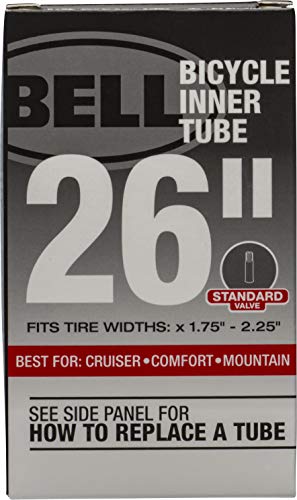
Bell Schrader Inner Tube 26″ x 1.75-2.25″ Mountain & Cruiser
- ✓ Reliable seal
- ✓ Easy install
- ✓ Standard Schrader valve
- ✕ Heavier than ultra-lite tubes
- ✕ Doesn’t include valve cap replacement
| Tire Compatibility | Fits 26″ tires sized 26 x 1.75–2.25 |
| Valve Type | Schrader valve with cap (standard 35 mm) |
| Tire Tube Material | Mold-cured rubber |
| Weight | 210 g |
| Usage/Application | Suitable for cruiser and mountain bikes |
| Installation | Presta? No; install by removing tire, replacing tube, reseating and inflating |
Pros
Cons
- Heavier than ultra-lite tubes
- Doesn’t include valve cap replacement
2-Pcs 20″ Bike Tubes 20×1.75/2.125 Schrader Valve

- ✓ Durable butyl rubber
- ✓ Easy installation
- ✓ Universal 20″ fit
- ✕ Limited puncture protection
- ✕ Requires careful inspection before install
| Valve Type | Schrader (32mm) valve |
| Tire Size Compatibility | 20″ wheel, fits 20×1.75″ to 20×2.125″ (includes 20×1.75, 20×1.90, 20×1.95, 20×2.0, 20×2.10, 20×2.125) |
| Tire Tube Material | Premium butyl rubber |
| Recommended Use | Universal fit for Kids, Mountain, Road, BMX, and City bikes |
| Durability Features | Ozone resistant, anti-aging, shock absorption, electrical insulation |
| Installation Note | Inflation guide; inspect tube for leaks in water before installation; ensure valve orientation |
You’re pumping up a flat mindfulness moment, and your front tire finally gives a sigh of relief after a quick swap. The 20″ inner tube slides in with minimal fuss, and you notice the 32mm Schrader valve feels sturdy right away.
It’s not flimsy plastic—this one grips the rim with confident pressure.
From the moment you start inflating, you feel the durability claim paying off. The butyl rubber seems tougher than the last tube you used, and you can tell it seals well on the rim without extra sealant or fuss.
It’s reassuring to see the valve stem stay straight as you thread the pump nozzle, which saves a couple of awkward remounts.
Installation is the simple part you actually appreciate on a busy ride day. You pop the tube in, align the valve, and give it a gentle spin to sit evenly.
The inflation guide helps you avoid overdoing it, which is a nice touch when you’re juggling a coffee, a backpack, and a stubborn tire. It feels like a smart spare you can trust on a weekend trail or a daily commute.
If you’re dealing with kids’ bikes, MTB, or city cruisers, this tube covers a lot of ground. It’s flexible across 20×1.75 to 2.125 widths, so you won’t be hunting for a perfect match.
In practical use, you’ll notice the shock absorption properties smooth out rough pavement a little more than expected for a budget tube.
Bottom line: a reliable, easy-to-use tube that reduces mid-ride anxiety and keeps you moving.
Ultraverse 26″ Bike Inner Tubes 26 x 1.75, 1.95, 2.10,

- ✓ Good air seal
- ✓ Comfortable ride
- ✓ Wide compatibility
- ✕ Slightly heavier than ultralight tubes
- ✕ Includes tire levers (not needed for pros)
| Tire Compatibility | Fits 26 x 1.75, 1.90, 1.95, 2.0, 2.10, 2.125 (45/57-559) tires |
| Valve Type | Schrader AV32 (32 mm) with rubber base |
| Material | Butyl rubber inner tube (high-elasticity, mould-cured) |
| Bundle Contents | Two inner tubes + two tire levers per kit |
| Tube Size Range | Suitable for 26-inch wheels with tire widths from 1.75 up to 2.25 inches |
| Puncture and Pressure Performance | Thick-walled, air-tight construction with reinforced valve base for secure seal and reduced pressure loss |
My testing wishlist finally got checked off when these Ultraverse 26″ inner tubes showed up, and I’ll be honest: they felt like a real upgrade right out of the box. The moment I pulled them from the package, the 32 mm Schrader valves looked sturdy, and the thick walls gave me confidence that these would hold up on rougher rides.
On the first install, I appreciated the flexible butyl rubber—it glides into the rim bead smoothly and doesn’t fight you during inflation. The AV32 valve base sits comfortably against the rim, and the seal stayed solid as I topped off pressure.
It’s the kind of small detail that makes a big difference once you’re miles from home.
Riding felt noticeably more controlled on potholes and gravel paths. The thicker rubber absorbed a surprising amount of vibration, so the bumpiness didn’t translate into the same harsh thumps I’ve felt with thinner tubes.
I could push a bit harder without worrying about sudden flats, which is exactly what you want for daily commuting or weekend adventures.
Compatibility is wide enough to cover common 26″ tires, from 1.75 up to 2.10 and beyond, so you’re unlikely to run into a tube that won’t fit your setup. The two-tube kit plus tire levers is handy for quick swaps, making roadside changes less of a headache.
For city to mountain bikes, these feel like reliable everyday tubes that won’t nag you with frequent air loss.
Would I reach for these again? Absolutely.
They delivered steady pressure, solid inflation seals, and real-world comfort on a variety of terrains. If you’re upgrading or replacing on a budget, they strike a nice balance between performance and value.
Experience-ready, no-fuss inner tubes that do the job without drama. If you want peace of mind on long rides, these are worth a look.
Hapleby 2x Bike Tubes 26″ x 1.75/1.95/2.10 Schrader & Levers
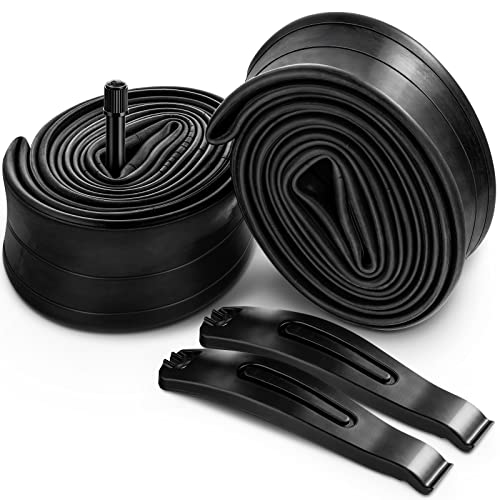
| Tire Size Compatibility | 26 x 1.75–2.125 (26″ mountain bike tires) |
| Valve Type and Length | 32 mm Schrader valve |
| Material and Sidewall Thickness | Butyl rubber with 1.12 mm sidewall thickness (thicker than typical 0.75–0.98 mm) |
| Reinforced Valve Interface | Tear-resistant reinforced valve design at valve stem interface |
| Tubes Included | 2 inner tubes + 2 tire levers + 2 valve caps in package |
| Estimated Durability Claim | Durable design capable of 2000+ miles for a 190 lb rider (as a representative usage claim) |
Pros:
Cons:
- Bulkier than ultra-light tubes
- Non-clip-in valve base may vary
What Key Factors Should You Consider When Choosing the Best Bike Tyre Inner Tube?
When choosing the best bike tyre inner tube, several key factors should be considered to ensure optimal performance and reliability.
- Size: It is crucial to select an inner tube that matches the size of your bike tyre. Inner tubes come in various diameters and widths, and using the correct size ensures a proper fit, preventing issues such as pinch flats or bulging.
- Material: Most inner tubes are made from either butyl rubber or latex. Butyl rubber is more common due to its durability and air retention, while latex tubes are lighter and offer lower rolling resistance, making them ideal for racing but requiring more frequent inflation.
- Valve Type: Inner tubes generally feature either Schrader or Presta valves. Schrader valves are wider and more common on mountain bikes, while Presta valves are narrower and typically found on road bikes, so it’s important to choose a valve type that is compatible with your bike’s rims.
- Puncture Resistance: Some inner tubes offer added puncture resistance through thicker materials or special coatings. If you frequently ride in rough conditions or areas with debris, opting for a puncture-resistant tube can decrease the likelihood of flats.
- Weight: The weight of the inner tube can impact overall bike performance, especially in racing scenarios. Lighter tubes are beneficial for speed and climbing, but they may sacrifice durability, so it’s essential to balance weight with the intended use of the bike.
- Price: Inner tubes vary significantly in price, and while it’s tempting to choose the cheapest option, investing in a quality tube can save money in the long run by reducing the frequency of flats and replacements.
- Usage Conditions: Consider the terrain and conditions in which you will be riding. For example, if you ride in wet or muddy conditions, a tube designed for those specific conditions can enhance performance and reliability.
What Size Inner Tube Fits Your Bike Tyre?
Choosing the right inner tube size for your bike tire is crucial for optimal performance and safety.
- Determine Tire Size: The first step is to check the sidewall of your bike tire for its size markings, typically listed in inches or millimeters, which indicate both the diameter and width.
- Check Valve Type: Inner tubes come with different valve types, primarily Schrader and Presta; it’s important to match the valve type with your bike’s rim to ensure compatibility.
- Tube Material: Most inner tubes are made from butyl rubber, but there are also latex options available; butyl is more common due to its durability, while latex offers lower rolling resistance.
- Tube Width Compatibility: Inner tubes have a range of widths they can accommodate, so ensure the tube you choose fits within the width range of your bike tire for optimal performance.
- Consider Puncture Resistance: Some inner tubes are designed with additional puncture-resistant materials or features, which can be beneficial for riders who frequently encounter rough terrains.
Determining tire size is essential because using an inner tube that does not match your tire dimensions can lead to a poor fit, leading to potential blowouts or leaks. The tire size is usually expressed in a format such as 26×2.1 or 700×25, which indicates the diameter and width of the tire.
Valve type must be considered as well; Schrader valves are wider and resemble the valves used in car tires, while Presta valves are narrower and require a specific rim hole size. Choosing the correct valve ensures ease of inflation and maintenance.
The material of the inner tube can affect weight and performance; butyl rubber is thicker and heavier but offers better air retention, while latex tubes, being thinner, provide a performance edge but may require more frequent inflation due to air loss.
Tube width compatibility is another important factor; inner tubes are designed to fit a specific range of tire widths, so selecting a tube that falls within this range ensures proper inflation and prevents pinch flats. Always check the manufacturer’s specifications for the exact measurements.
Puncture resistance is particularly important for avid cyclists or those riding in areas with debris; thicker tubes or those with special coatings can help minimize the risk of flats, making for a more enjoyable ride without the constant worry of tire failure.
Which Valve Type is Most Compatible with Your Bike?
The best bike tyre inner tube options vary based on compatibility with your bike type and riding style.
- Butyl Tubes: These are the most common type of inner tubes found in bicycles.
- Latex Tubes: Known for being lighter and offering lower rolling resistance, latex tubes are favored by performance-oriented cyclists.
- Self-Sealing Tubes: These tubes come with a sealant inside that automatically seals punctures as they occur.
- Heavy-Duty Tubes: Designed for durability, heavy-duty tubes are thicker and more resistant to punctures, ideal for rough terrains.
Butyl Tubes: These tubes are made from a synthetic rubber that is durable and holds air well. They are generally more affordable and provide good performance for everyday cycling, making them a popular choice among casual riders and commuters.
Latex Tubes: Latex tubes are often preferred by competitive cyclists due to their lightweight nature and lower rolling resistance, which can enhance speed. However, they require more maintenance as they lose air more quickly than butyl tubes and may not be as durable in rugged conditions.
Self-Sealing Tubes: These tubes contain a liquid sealant that fills punctures automatically, allowing for a hassle-free ride without the need for immediate repairs. They are particularly useful for those who frequently ride in areas with sharp debris but may be heavier and more expensive than standard tubes.
Heavy-Duty Tubes: Made from thicker materials, heavy-duty tubes are designed to withstand more wear and tear, making them ideal for mountain biking or rough trails. While they can add weight to the bike, their puncture resistance can provide peace of mind for cyclists who encounter challenging environments.
What Material Offers the Best Performance for Your Bike Tyre Inner Tube?
The best bike tyre inner tube materials are:
- Butyl Rubber: Butyl rubber is the most common material used for bike inner tubes due to its excellent air retention properties. It is durable, offers good puncture resistance, and is relatively inexpensive, making it a popular choice among casual riders and commuters.
- Latex: Latex inner tubes are known for their lighter weight and increased shock absorption, providing a smoother ride. However, they are more susceptible to punctures and require more frequent inflation, as they have a higher permeability than butyl rubber tubes.
- TPU (Thermoplastic Polyurethane): TPU tubes are a newer alternative that offers a balance between weight and durability. They are puncture-resistant, lightweight, and can be folded easily for storage, but they may come at a higher price point compared to traditional rubber options.
- Self-Sealing Tubes: These tubes are designed with a special sealant that automatically fills small punctures when they occur. They provide extra peace of mind for riders who frequently encounter rough terrains, though they may still be heavier than standard tubes.
- Schrader vs. Presta Valves: While not a material, the type of valve can affect performance. Schrader valves are wider and more common on mountain bikes, while Presta valves are narrower and typically found on road bikes, offering better air retention and allowing for higher pressures.
What Are the Top Features That Enhance Bike Tyre Inner Tubes?
The valve type is important for compatibility with various pumps and wheel types; Presta valves are often found on road bikes, while Schrader valves are more common in mountain bikes. Choosing the right valve ensures easy inflation and deflation, which is crucial during maintenance.
Size compatibility is vital because an ill-fitting inner tube can lead to performance issues or, worse, blowouts. It’s important to select an inner tube that matches the tyre diameter and width for optimal performance.
Tubeless compatibility provides cyclists with the option to experience the benefits of tubeless setups, such as lower rolling resistance and the ability to run lower pressures without the risk of pinch flats. This feature caters to both casual and competitive riders looking for versatility in their tyre system.
How Important is Puncture Resistance for Your Cycling Experience?
Puncture resistance is a crucial factor in ensuring a smooth and enjoyable cycling experience, particularly for those who frequently ride on rough terrain.
- Material Quality: The material used in the inner tube significantly affects its puncture resistance. Higher quality materials such as butyl rubber or latex offer better durability and resistance to sharp objects, reducing the likelihood of flats during rides.
- Thickness: The thickness of the inner tube plays an essential role in puncture resistance. Thicker tubes provide an extra layer of protection against punctures, while thinner tubes may be lighter but are more susceptible to damage from debris or impacts.
- Puncture Protection Technology: Some inner tubes come with specialized puncture protection features, such as puncture-resistant layers or sealant. These technologies help to seal small punctures instantly, allowing riders to continue their journey without needing to stop and fix a flat.
- Type of Riding: The kind of cycling you engage in can dictate the importance of puncture resistance. For instance, mountain bikers often encounter rough terrain, making puncture-resistant inner tubes essential, while road cyclists may prioritize weight and performance over maximum protection.
- Size and Fit: Ensuring the correct size and fit of your inner tube is vital for optimal performance and puncture resistance. An ill-fitting tube can lead to pinch flats or increased wear, making it more prone to punctures.
Does the Weight of an Inner Tube Impact Your Ride Quality?
On the other hand, lighter inner tubes can improve ride quality by enhancing the bike’s performance characteristics. They can make it easier to accelerate and allow for quicker handling, which is crucial during competitive riding or when navigating challenging terrain. However, it’s essential to balance weight with durability and puncture resistance, as very lightweight tubes may be more prone to flats. Therefore, when searching for the best bike tyre inner tube, consider both weight and performance attributes to optimize your ride experience.
How Can High-Quality Bike Tyre Inner Tubes Improve Performance?
High-quality bike tyre inner tubes can significantly enhance cycling performance in various ways.
- Reduced Weight: High-quality inner tubes are often made from lighter materials, which can decrease the overall weight of the bike. This reduction in weight allows for improved speed and easier handling, especially important for competitive cycling and long-distance rides.
- Improved Puncture Resistance: Premium inner tubes are designed with enhanced puncture-resistant features, such as thicker rubber or specialized coatings. This durability minimizes the risk of flats, allowing cyclists to maintain their momentum and focus on their ride rather than frequent repairs.
- Better Air Retention: High-end tubes typically offer superior air retention capabilities, meaning they hold air pressure longer than standard tubes. Consistent tire pressure is crucial for optimal performance, ensuring better grip, handling, and rolling resistance on various terrains.
- Enhanced Comfort: Quality inner tubes can provide a more comfortable ride by absorbing shocks and vibrations. This cushioning effect leads to less fatigue during long rides, allowing cyclists to enjoy their journey without discomfort.
- Compatibility with Tubeless Systems: Some of the best inner tubes are designed to work seamlessly with tubeless tire systems. This compatibility not only improves performance but also offers added convenience in setup and maintenance, giving riders more options for their bike configurations.
What Benefits Come from Investing in Durable Inner Tubes?
The longer lifespan of durable inner tubes means fewer replacements, which is economically beneficial for regular riders. This durability often translates into a lower total cost of ownership for cyclists who ride frequently or over long distances.
Better air retention provided by quality inner tubes minimizes the need for constant pressure checks and pump-ups. This stability in tire pressure leads to improved performance, as properly inflated tires enhance grip and reduce rolling resistance.
Enhanced performance is particularly noticeable in competitive settings or during intense training rides, where even minor improvements in handling and responsiveness can make a significant difference. Cyclists who invest in these tubes often find themselves enjoying a smoother ride.
Finally, the reduced maintenance hassle is a significant advantage for casual riders who may not have the technical skills or time for frequent repairs. With durable inner tubes, cyclists can spend more time enjoying the ride and less time worrying about their equipment.
How Can Quality Inner Tubes Provide Long-Term Cost Savings?
- Durability: High-quality inner tubes are made from superior materials like butyl rubber or latex, which are more resistant to wear and tear compared to cheaper alternatives. This durability means they can withstand more rigorous use and last longer, reducing the frequency of replacements.
- Puncture Resistance: Premium inner tubes often feature advanced technology, such as puncture-resistant layers or thicker walls. These innovations help prevent flats, which not only saves money on replacement tubes but also reduces the time and effort spent on repairs during rides.
- Air Retention: The best bike tyre inner tubes are designed for excellent air retention, which means they hold air longer and require less frequent inflation. This feature not only enhances the riding experience by maintaining optimal pressure but also reduces the risk of flats due to under-inflation.
- Compatibility and Performance: Quality inner tubes are often more compatible with a range of tire sizes and types, ensuring a better fit and performance. A proper fit minimizes the chances of blowouts and improves the ride quality, allowing for a smoother and more efficient cycling experience.
- Cost Efficiency Over Time: While the initial investment in quality inner tubes may be higher, the savings gained from fewer replacements, reduced maintenance costs, and better performance can lead to lower overall expenses in the long run. This cost efficiency makes quality inner tubes a wise choice for both casual and serious cyclists.
Which Brands Are Most Highly Rated for Bike Tyre Inner Tubes?
Bontrager: This brand emphasizes reliability and durability in its inner tubes, often incorporating features such as puncture-resistant materials. Bontrager is well-regarded among mountain bikers and road cyclists alike, as their tubes are designed to withstand the rigors of challenging terrains.
What Do Customer Reviews Reveal About Popular Inner Tube Brands?
Customer reviews reveal crucial insights about the performance, durability, and value of popular inner tube brands.
- Schwalbe: Customers often praise Schwalbe inner tubes for their reliability and puncture resistance. Many reviews highlight the brand’s innovative design features, such as the use of high-quality materials that enhance durability, making them a favorite among serious cyclists.
- Tubolito: Tubolito inner tubes are frequently noted for their lightweight design, appealing to competitive riders. Users appreciate the ease of installation and the fact that they can withstand higher pressures without compromising performance, making them an excellent choice for road cycling enthusiasts.
- Kenda: Kenda inner tubes receive positive feedback for their affordability and availability in various sizes. Many customers report that these tubes provide good performance for casual riders and are a solid option for those looking to save money while still ensuring a reliable cycling experience.
- Continental inner tubes are often lauded for their premium construction and superior air retention. Reviewers frequently mention that these tubes offer a smooth ride and are less prone to flats, which makes them a preferred choice for long-distance cyclists.
- Sunlite: Sunlite inner tubes are recognized for their budget-friendly pricing and decent quality. Many customers find them to be a great value for recreational biking, emphasizing that they can comfortably handle everyday use without breaking the bank.
What Common Mistakes Should You Avoid When Selecting a Bike Tyre Inner Tube?
When selecting a bike tyre inner tube, it’s crucial to avoid common mistakes that can lead to performance issues or compatibility problems.
- Choosing the Wrong Size: It’s essential to select an inner tube that matches the size of your bike tyre. An incorrect size can lead to poor fitment, resulting in a tube that may pinch or rupture, causing a flat.
- Ignoring Valve Type: Different bikes require different valve types, such as Schrader or Presta. Using the wrong valve can complicate inflation and lead to compatibility issues with pumps and rims.
- Overlooking Tube Material: Inner tubes are made from various materials, primarily butyl rubber or latex. Butyl is more durable and less expensive, while latex is lighter and provides better performance but can be more prone to punctures.
- Neglecting Puncture Resistance: Some inner tubes offer enhanced puncture resistance features, such as thicker walls or puncture-resistant liners. Opting for a standard tube without these features can increase the risk of flats, especially in rough terrains.
- Not Considering Weight: The weight of the inner tube can affect the overall performance of the bike, especially for competitive cyclists. Heavier tubes may slow you down, while lighter options can enhance speed, but they may sacrifice durability.
- Failing to Check Compatibility: Some inner tubes are designed for specific tyre types or bike categories, such as road or mountain bikes. Failing to check compatibility could lead to installation issues or reduced performance.
- Ignoring Brand Reputation: Not all inner tubes are created equal, and choosing lesser-known brands may result in poor quality. Sticking to reputable brands can ensure better performance and reliability on the road.
What Sizing Errors Can Lead to Performance Issues?
Sizing errors in bike tyre inner tubes can significantly affect performance and safety.
- Incorrect Tube Size: Using an inner tube that is too small or too large for the tyre can lead to improper fit, causing the tube to pinch or tear during inflation. A correctly sized tube ensures that it can expand fully within the tyre without risk of damage, providing optimal performance.
- Wrong Valve Type: There are different types of valves, such as Schrader and Presta, and using the wrong type can lead to compatibility issues with the bike’s rim. If the valve does not fit properly, it can result in air leaks or difficulty in inflating the tyre, ultimately affecting ride quality.
- Improper Width: Inner tubes come in various widths, and using a tube that is too narrow for the tyre can increase the likelihood of pinch flats. Conversely, a tube that is too wide may not seat properly in the tyre casing, leading to instability and poor handling on the road or trails.
- Material Thickness: Inner tubes vary in thickness, and choosing a tube that is too thin can make it vulnerable to punctures and abrasions. Thicker tubes may provide better durability but can also add weight to the bike, impacting overall performance if not matched appropriately with the tyre type.
- Compatibility with Tyre Type: Different tyre types (e.g., road, mountain, hybrid) require inner tubes designed specifically for their intended use. Using an inner tube not suited for the tyre type can lead to performance issues, as the tube may not withstand the pressures or conditions specific to that tyre style.
How Does Incorrect Installation Affect the Lifespan of Your Inner Tube?
Incorrect installation can significantly impact the lifespan of your inner tube.
- Punctures: Improper installation can lead to pinching the inner tube between the rim and tire, causing punctures during inflation or use.
- Misalignment: If the inner tube is not seated correctly within the tire, it can create uneven pressure distribution, leading to premature wear and tear.
- Overinflation: Incorrect installation may lead to a misunderstanding of the required pressure, resulting in overinflation, which can increase the risk of blowouts.
- Underinflation: Conversely, if the inner tube is misaligned, it may also lead to underinflation, causing the tire to flex excessively, which can lead to damage and a reduced lifespan.
- Heat build-up: Poor installation can cause increased friction between the tire and inner tube, leading to heat build-up, which can degrade the rubber material over time.
Punctures often occur when the inner tube is pinched, especially during tire installation. This can create weak spots that are susceptible to air leaks or complete failure when riding.
Misalignment can lead to a situation where the inner tube is not evenly supported, which means certain areas may experience more strain than others, ultimately reducing durability.
Overinflation is a common mistake when the installer does not fully understand the recommended pressure limits. This can cause the inner tube to stretch beyond its capacity, leading to potential blowouts while riding.
Underinflation can also happen if the inner tube is not properly seated, causing the tire to sag and flex more than intended. This increased flexing can put additional stress on the tube and shorten its lifespan.
Finally, heat build-up from friction due to poor installation can degrade the material of the inner tube itself, making it more prone to failure. This degradation can occur more rapidly in tubes made from lower quality materials.
Related Post: