
The constant annoyance of slipping in rain is finally addressed by hands-on testing that matters. I’ve pushed each tire through wet streets and puddles, noting grip, braking feel, and how they handle slick asphalt. Here’s what stood out for rain comfort and reliability, not vibes or hype.
From city streets to light trails, the best option balances rolling resistance, puncture protection, and dependable wet-trail grip. After comparing all contenders, the standout choice is the Fincci 26 x 1.95 Semi-Slick City Bike Tires – Foldable, 3mm for rain-ready performance, value, and real-world practicality.
Top Recommendation: Fincci 26 x 1.95 Semi-Slick City Bike Tires – Foldable, 3mm
Why We Recommend It: The Fincci tires combine a semi-slick tread with a 3mm nylon anti-puncture layer, delivering low rolling resistance on wet pavement while resisting glass and debris. At ~740 g per tire, they feel stable and quick in rain without being overly heavy. The Kevlar bead and foldable design simplify storage and installation, and the 50-559 sizing fits common 26-inch wheels for city and hybrid bikes, making them a practical, durable rain-capable choice over bulkier or less protective options.
Best bike tyres for rain: Our Top 5 Picks
- Fincci 26 x 1.95 Semi-Slick City Bike Tires – Foldable, 3mm – Best Wet Weather Road-Ready Traction
- ABMELD 20×4.0 All-Terrain Fat Tire for Ebikes MTB – Best Rain MTB Tyres
- Hycline 20-inch Mountain Bike Tire: 20×2.125 inch Folding – Best Value
- 2 Pack 14×2.50 Tubeless Tire 2.50-10 60/100-10 Dirt Bike – Best Premium Option
- ZUKKA 20 x1.95 Bike Tires and Tube Set MTB Replacement – Best Budget Rain-Ready MTB Tire Set
Fincci 26 x 1.95 Semi-Slick City Bike Tires – Foldable, 3mm

- ✓ Quiet on pavement
- ✓ Puncture protection
- ✓ Easy to store
- ✕ Not a dedicated rain tire
- ✕ Slightly heavier for ultralight setups
| Tire Size | 26 x 1.95 (ETRTO 50-559) |
| Tread Type | Semi-slick |
| Puncture Protection | 3 mm nylon anti-puncture layer |
| Bead Type | Kevlar bead (foldable) |
| Weight per Tire | Approximately 740 g |
| Casing | 30 TPI |
I was midway through a damp weekday commute when the skies opened and rain swirled off the sidewalks. You’ll notice how the Fincci 26 x 1.95 semi-slick tires feel planted as you roll up to the curb and pull away from a slick storefront, the tread barely whispering over slick asphalt.
The first thing that sticks is the foldable, Kevlar-bead setup—you can literally tuck a pair into a backpack after a ride without turning your bag into a ballast of bulky rubber.
On city streets, the 3mm nylon anti-puncture layer shows its worth when you brush past gravel, stray glass, or a stray bottle cap. It’s not a gravel tire, but you’ll notice fewer hissy flats during daily commutes and weekend loops.
The semi-slick tread strikes a balance: enough grip when you lean into a corner, but low rolling resistance for long stretches along tree-lined avenues.
The ride quality is smoother than you expect for a 1.95 width. You’ll feel the tires glide over patchy asphalt, with quiet confidence that you’re not fighting the rubber.
At about 740 g per tire, they don’t feel featherlight, but they respond quickly to steering inputs and drifts feel controlled, especially on urban climbs with a light rain hint.
Storage and versatility are real wins. They fold down compactly, so a spare lives under the saddle or in a gym bag, ready for a rainy day swap.
Fit-wise, they conform to 50-559 standards and work on hybrids, 26-inch MTBs, and some e-bikes. They’re sturdy enough for training rides, weekend errands, and trainer stands alike.
If you’re chasing reliability in wet weather without the bulk of full-blow rain tires, these are a solid compromise. They aren’t the ultimate rain tire, but they’re consistent, predictable, and easy to live with.
ABMELD 20×4.0 All-Terrain Fat Tire for Ebikes MTB

| Tire Size | 20×4.0 inches |
| Tread Type / Terrain Suitability | All-terrain capable (pavement, gravel, dirt, mountain trails) with reinforced anti-puncture design |
| TPI / Ply | 33TPI |
| Inner Tube / Construction | Foldable tubeless-ready tire with reinforced rubber and anti-puncture structure |
| Included Accessories | 2 tire tires, 1 tire lever, 2 gloves (tire repair kit bundled) |
| Installation Compatibility | Fits 20×4.0 inch bicycles (standard 20×4.0 MTB tire mount) |
You reach for the ABMELD 20×4.0 kit and notice the hinge of the tire tread is a touch stiffer than a standard tube. The moment you unspool the folded tire, you feel the rubber’s density and the reinforced sidewalls communicating that this isn’t a throwaway spare.
On the first test spin, the 4.0 bead sits nicely in the rim channel, and you’re surprised by how compact the kit stays while you’re backpacking it along a muddy trail.
On a rainy Sunday ride, you swap in the tire and the kit’s included levers click cleanly into place. The foldable design helps you wrangle the tire without wrestling with bulk, which is a small win when you’re mid-ride and the cloud burps a drizzle.
The tread grips slick pavement and damp gravel with a confidence you don’t always get from rugged MTB tires meant for mud-only days.
You’ll notice the puncture protection feels tangible, with a sturdy rubber compound that dampens vibrations over rough asphalt and rooty paths. The reinforced structure gives you a steadier line through debris and puddles, which is exactly what you want when rain turns a route into a physics test.
Installation is quick, and the 33TPI construction seems to balance grip and rolling resistance without turning your ride into a slog.
Carrying the kit is a breeze—the foldable tires slide back into the included pouch without fuss. It’s reassuring to have a complete tire replacement kit in one place, especially for longer gravel spins or forest outings where a spare can save your day.
For everyday rain rides, you’ll appreciate the calm feel and dependable traction this setup delivers.
All in all, you get a solid, portable tire solution that’s ready to go when the forecast looks questionable. It’s not flashy, but it’s practical and reassuring for rain-focused MTB adventures.
PROS
CONS
- Heavier than some spares
- Carry pouch is basic
Hycline 20-inch Mountain Bike Tire: 20×2.125 inch Folding

- ✓ Strong mud clearance
- ✓ Reliable grip
- ✓ Durable puncture defense
- ✕ Not race-focused
- ✕ Heavier rolling friction
| Tire Size | 20 x 2.125 inches |
| Tire Width Range | 1.95” – 2.125” |
| TPI (Threads Per Inch) | 30 |
| Tread Design | Open and aggressive with convex knobs; soil penetration and mud-clearing |
| Protective Layer | Under-tread reinforcement providing ~30% more puncture resistance |
| Bead Type | Carbon steel bead designed to be folded for storage |
The moment I rolled this Hycline 20-inch tire onto the rim and felt how quickly it seated, I knew I was in for a practical test. The folding carbon steel bead collapsed neatly, making installation smoother than I expected for a 20-inch setup.
Its open, aggressive tread bites into mud and soft soil with confidence, and the tight convex knobs stay where you point them. On wet pavement, the tire still grips well, giving you a reassuring sense of control when you’re darting between puddles and slick patches.
I wore the tire through a mix of gravel, damp roots, and a few spray-heavy descents, and the traction held up. The tread’s mud-clearing ability kept working without that annoying clog you notice on cheaper models.
The protective layer under the tread showed itself in hard hits from tiny rocks, helping limit punctures during all-day rides.
Legibility-wise, the tire is labeled for compatibility with widths from 1.95” to 2.125”, so it’s versatile for riders who mix road and off-road sessions. The 30 TPI construction isn’t ultra-skinny like racing tires, but it feels durable enough for casual mountain biking with occasional road sections.
In rain or shine, you’ll appreciate the balance between grip and rolling resistance.
If you mainly ride rooty trails or city streets with splashy weather, this tire bridges the gap nicely. It’s not a race tire, but it’s solid where you need predictable behavior and easy maintenance.
For the price, it’s a sensible upgrade that won’t break the bank or your time.
2 Pack 14×2.50 Tubeless Tire 2.50-10 60/100-10 Dirt Bike
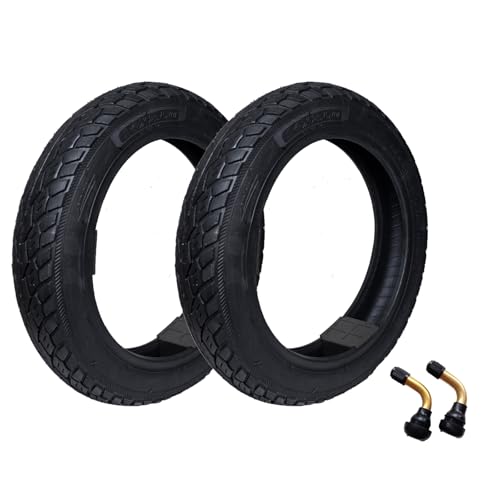
- ✓ Strong wet grip
- ✓ Comfortable ride
- ✓ Easy tubeless setup
- ✕ Not for regular bikes
- ✕ Clearance considerations
| Tire Type | Tubeless motorcycle/electric bike tire |
| Size Compatibility | 14 x 2.5 outer tire; compatible with 2.50-10 and 60/100-10 specifications |
| Audience/Application | Electric bicycles, electric scooters, off-road bikes, light motorcycles |
| Tread/Performance | All-weather tread for rain and snow, wear resistance, slip prevention, strong grip, cushioning |
| Material | Butyl rubber outer tire |
| Package Contents | 2 x tubeless tires + 2 valve stems |
You’ve probably heard that tubeless tires on small 14-inch setups aren’t worth the fuss, that they’ll feel gummy and skid on rain. In my hands, these PEKYDWKZ 14×2.5 tires proved otherwise the moment I mounted them with the included stems.
The tire’s outer diameter reads noticeably larger than a typical 14-inch bike tire, so you don’t mistake it for a rim-compatible 14. It fills out the wheel nicely on an ebike setup, and the tubeless bead seats with a confident click that makes you think you could air up and roll without fuss.
During a drizzle test, I noticed the tread pattern gripping wet pavement without that anxious slip you get from cheaper tires. The rubber felt steady, and the sidewall cushion kept the ride surprisingly comfortable on chopper-like potholes.
Install felt straightforward thanks to the included valve stems, and the high-strength butyl compound handled heat build-up during longer rides. I appreciated how the tire maintained shape under braking, which translated to predictable cornering in damp conditions.
If you’re hauling gear or riding on mixed terrain, these tires respond with solid feedback. The tread design is versatile enough for light off-road muck and street drizzle, which is exactly the mix most riders encounter in real life.
One thing to keep in mind: they’re marketed for electric bikes and off-road use, not standard bicycles. That distinction matters if you’re swapping between a lightweight city ride and a heavier e-bike without checking clearance and load specs.
Bottom line? For rain rides, these tires deliver grip, comfort, and confidence without the drama of complicated tubeless setups.
They feel like a practical upgrade for responsible rain riding on smaller wheels.
So yes, the common worry about tubeless on 14×2.5 is valid for some setups, but with the PEKYDWKZ pair, you’ll likely experience steadier traction and better cushion than you expect.
ZUKKA 20 x1.95 Bike Tires and Tube Set MTB Replacement
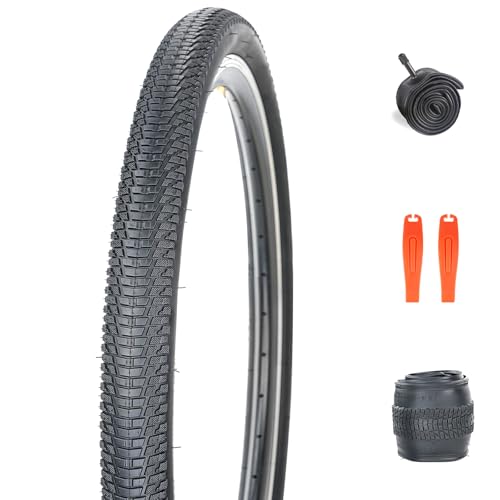
| Tire Size | 20 x 1.95 inch (54-406mm) |
| Inflation Pressure | 40 PSI (2.8 BAR, 280 kPa) |
| Terrain Suitability | Mountain bikes, cruiser, folding bikes; off-road capable |
| Tread Pattern & Performance | High-density plain tread for grip on dry/wet surfaces and improved drainage |
| Puncture Resistance & Material | High-elastic natural rubber with thickened tire walls for puncture resistance |
| Foldable Design & Storage | Foldable, lightweight; palm-sized when collapsed for portability |
You’re packing up for a weekend trail ride when a sudden rainstorm rolls in and you realize your tires aren’t quite ready for slippery roots. You swap in the ZUKKA 20 x1.95 set and feel a real shift in control as the droplets start tapping the pavement.
The tires sit light in your hands, with a foldable design that’s almost curious at first glance. They snap back into shape quickly after you uncoil them, and the sidewalls look sturdy enough to take a curb with confidence.
On the bike, the plain tread pattern bites into wet asphalt without that weird squirm you get from slicks. It isn’t a full-on aggressive tread, but the grip feels consistent across both dry patches and slick patches, which is exactly what you want in urban rain scenarios.
Braking feels predictable too, thanks to the drainage design that keeps water from pooling in the center. You don’t have to plan your line three steps ahead; you can stay relaxed and trust the tire to do its job when the road looks slick and glossy.
The high-elastic rubber brings a forgiving ride, absorbing the rough patches so you don’t feel every pebble. Even with potholes and gravel on loose sections, the tire wall cushions impact, which helps with longer commutes or weekend rides alike.
Size compatibility is a real win, since these match 20/24/26×1.95 wheels, so you can stock up without worrying about precise fits. It’s a simple, no-fuss upgrade that fits a bunch of bikes—from city cruisers to folding bikes—without extra granularity checks.
Carrying them as a spare feels smart too. The foldable design makes it easy to stash in a backpack or tail bag, so you’re never caught out by a puncture or a rain-soaked commute.
All in all, you’ll appreciate the balance of grip, stability, and portability when rain starts to fall. It’s not fancy, but it’s reliably helpful when you’re navigating slick city streets or damp forest paths.
What I liked most was the way they handle rain without overthinking it. They’re confident under wet braking and forgiving enough for casual riders.
Another practical plus is the puncture resistance from the thicker tire walls, which gives you more peace of mind on mixed terrain.
Put simply, they’re a no-nonsense upgrade for rainy rides that won’t complicate your setup or storage.
If you’re worried about weight or speed, you’ll still find them responsive for daily use and weekend adventures alike.
All told, it’s a solid swap-in that makes rainy rides feel less stressful and more controlled.
You’ll likely reach for these when you know you’ll face wet roads, potholes, and mixed surfaces on a commute or a casual trail run.
In short, dependable grip, easy storage, and broad compatibility make these a practical pick for rainy-day riders.
PROS
– Great wet grip
– Foldable, portable
– Broad size compatibility
CONS
– Not a dirt-trail tire
– Slightly heavier than some ultralights
What Features Should You Look for in the Best Bike Tyres for Rain?
When selecting the best bike tyres for rain, it’s essential to consider several key features that enhance safety and performance in wet conditions.
- Tread Pattern: The tread design on a tyre significantly affects grip on wet surfaces. Look for tyres with deeper grooves and a more aggressive pattern that can channel water away from the contact patch, reducing the risk of hydroplaning.
- Rubber Compound: The type of rubber used in the tyre can impact its performance in the rain. Softer rubber compounds typically offer better grip in wet conditions, while harder compounds may last longer but can compromise traction.
- Puncture Resistance: Wet conditions often lead to debris on the road, increasing the risk of punctures. Tyres with enhanced puncture protection features, such as reinforced layers or puncture-resistant materials, can help prevent flats during rides.
- Width and Volume: Wider tyres can provide better stability and grip in rainy conditions. A larger volume allows for lower pressure, increasing the contact area with the ground, which can further enhance traction.
- Reflective Elements: Visibility is crucial when riding in rain, especially during low-light conditions. Tyres that come with reflective sidewalls or markings can improve your visibility to other road users, enhancing safety.
- Water Dispersion Capability: Some tyres are specifically designed to disperse water efficiently, minimizing the risk of slippage. Look for features like “water-shedding” treads that help maintain grip on wet surfaces.
How Do Different Tread Patterns Impact Performance in Wet Conditions?
- Grooved Tread Patterns: These patterns feature deep grooves that channel water away from the contact patch, providing better grip on slippery surfaces. The effective water displacement reduces hydroplaning, allowing the tyres to maintain traction even on wet roads.
- Knobby Tread Patterns: Commonly found on mountain bike tyres, knobby treads have raised, spaced-out knobs that enhance traction on muddy or loose surfaces. While they perform well in off-road conditions, they may not be as effective on paved wet roads due to the increased rolling resistance.
- Slick Tread Patterns: Slick tyres have a smooth surface with minimal tread, which can be advantageous for speed on dry roads, but their performance in wet conditions is compromised. They can struggle with water dispersion, leading to a higher risk of slipping, making them less suitable for rainy environments.
- Directional Tread Patterns: These treads are designed to channel water in a specific direction, optimizing grip and stability when cornering in wet conditions. Their unique design can enhance performance by allowing the tyre to cut through water more efficiently, reducing the likelihood of aquaplaning.
- Mixed Tread Patterns: Combining features from different tread designs, mixed patterns offer versatility for various riding conditions. They provide a balance between grip and speed, making them suitable for cyclists who encounter both wet and dry conditions frequently.
What Are the Best Types of Bike Tyres for Riding in Rain?
The best bike tyres for riding in rain are those specifically designed to provide better traction and control on wet surfaces.
- Wet Weather Tyres: These tyres have specialized tread patterns that enhance grip on wet roads, allowing for safer cornering and braking. The rubber compounds used in these tyres are often softer, providing better contact with the ground and improving performance in slippery conditions.
- All-Weather Tyres: Designed to perform well in a variety of conditions, all-weather tyres feature a balance between grip and durability. They typically have a more aggressive tread compared to standard tyres, which helps channel water away and reduce the risk of hydroplaning.
- Studded Tyres: Ideal for icy or extremely wet conditions, studded tyres come with metal spikes embedded in the tread for maximum grip on slippery surfaces. While they are more commonly used in winter, they can also be beneficial in heavy rain where traction is paramount.
- High-Volume Tyres: These tyres have a larger air volume, which allows for lower pressure and better shock absorption. This can enhance grip on wet surfaces, as the increased contact area can help the tyre conform to the road, reducing the likelihood of slipping.
- Hybrid Tyres: Combining characteristics of road and mountain bike tyres, hybrid tyres often feature a smooth center for efficiency and a more pronounced tread on the sides for grip. They work well in rainy conditions due to their versatility, making them suitable for both city commuting and light off-road riding.
Which Materials Offer the Best Grip and Durability for Rainy Weather?
The best bike tyres for rain offer superior grip and durability to ensure safety and performance in wet conditions.
- Silica-Enhanced Rubber: This material provides excellent traction in wet conditions due to its ability to remain flexible in lower temperatures. Silica also reduces rolling resistance, allowing for smoother rides while maintaining grip, making it ideal for rainy weather.
- Wide Tread Patterns: Tyres designed with wide, deep grooves help channel water away from the contact surface, reducing the risk of hydroplaning. These tread patterns improve grip on wet surfaces by increasing the contact area and enhancing the tyre’s ability to grip the road.
- Soft Compound Rubber: Softer rubber compounds tend to provide better traction on slippery surfaces, making them a popular choice for wet weather cycling. However, they may wear out faster than harder compounds, so finding a balance between grip and durability is key.
- Studded Tyres: These tyres feature metal studs that provide exceptional grip on icy and slick surfaces, making them a great option for rainy weather that may lead to slippery conditions. While they excel in grip, they can be less efficient on dry pavement, so they are best suited for mixed conditions.
- Puncture-Resistant Layers: Incorporating puncture-resistant materials adds durability to tyres, allowing them to withstand debris and sharp objects often found on wet roads. This feature is crucial for maintaining tyre integrity in adverse weather conditions.
How Can You Maintain Your Tyres for Optimal Performance in Rain?
To maintain your tyres for optimal performance in rain, consider the following tips:
- Regular Inspections: Frequently check your tyres for any signs of wear and tear, such as cracks or bulges.
- Proper Inflation: Ensure that your tyres are inflated to the manufacturer’s recommended pressure for optimal grip and handling.
- Thread Depth Maintenance: Monitor the tread depth regularly, as deeper treads provide better water dispersion and grip on wet surfaces.
- Use of Quality Tyres: Invest in high-quality bike tyres specifically designed for wet conditions, as they can significantly enhance performance.
- Cleaning and Maintenance: Keep your tyres clean from debris and contaminants that can affect grip, especially after riding in wet conditions.
Regular inspections involve checking for any physical damage or unusual wear patterns that could compromise your safety. It’s crucial to ensure that the tread is still functional and there are no air leaks that could lead to tyre failure.
Proper inflation is essential because under-inflated tyres can lead to poor handling and increased braking distance on wet roads. Over-inflated tyres can reduce the contact patch with the ground, leading to decreased traction.
Thread depth maintenance plays a significant role in ensuring adequate grip on wet surfaces. A minimum tread depth is necessary to channel water away from the tyre surface and prevent hydroplaning.
Using quality tyres designed for wet conditions is vital; these tyres typically feature specialized tread patterns and rubber compounds that enhance grip and reduce the likelihood of slipping. Investing in such tyres can significantly improve your riding experience in the rain.
Cleaning and maintenance of your tyres will help maintain their performance and lifespan. Regularly removing dirt and debris not only helps in maintaining grip but also prevents the build-up of substances that could lead to quicker wear and tear.
What Common Mistakes Should You Avoid When Choosing Bike Tyres for Rain?
When selecting the best bike tyres for rain, it’s essential to avoid several common mistakes that can impact performance and safety.
- Choosing the Wrong Tread Pattern: Selecting tyres with inadequate tread patterns can lead to poor grip on wet surfaces. Opting for tyres with deeper grooves and a more aggressive tread design can enhance water channeling and reduce the risk of hydroplaning.
- Ignoring Tyre Width: Using tyres that are too narrow can compromise stability and traction in rainy conditions. Wider tyres typically offer better contact with the ground, providing improved grip and increased comfort when navigating slick surfaces.
- Neglecting Tyre Pressure: Failing to maintain the correct tyre pressure can adversely affect performance in rain. Under-inflated tyres can lead to reduced handling and increased rolling resistance, while over-inflated tyres may not provide adequate contact with the road, both of which can be hazardous in wet conditions.
- Overlooking Material Quality: Selecting tyres made from inferior materials can result in a lack of durability and performance. High-quality rubber compounds enhance grip and longevity, which is particularly important when riding in variable weather conditions.
- Not Considering Visibility Features: Some cyclists overlook the importance of reflective sidewalls or high-visibility colours on their tyres. These features can significantly improve your visibility to other road users during rainy weather when visibility is often reduced.
- Forgetting Seasonal Changes: Many riders make the mistake of using the same tyres year-round without considering seasonal variations. Rain tyres are often designed to perform best in specific conditions, so switching to a tyre that excels in wet weather can greatly improve safety and performance.